

Distracted Driving Accidents in Louisville
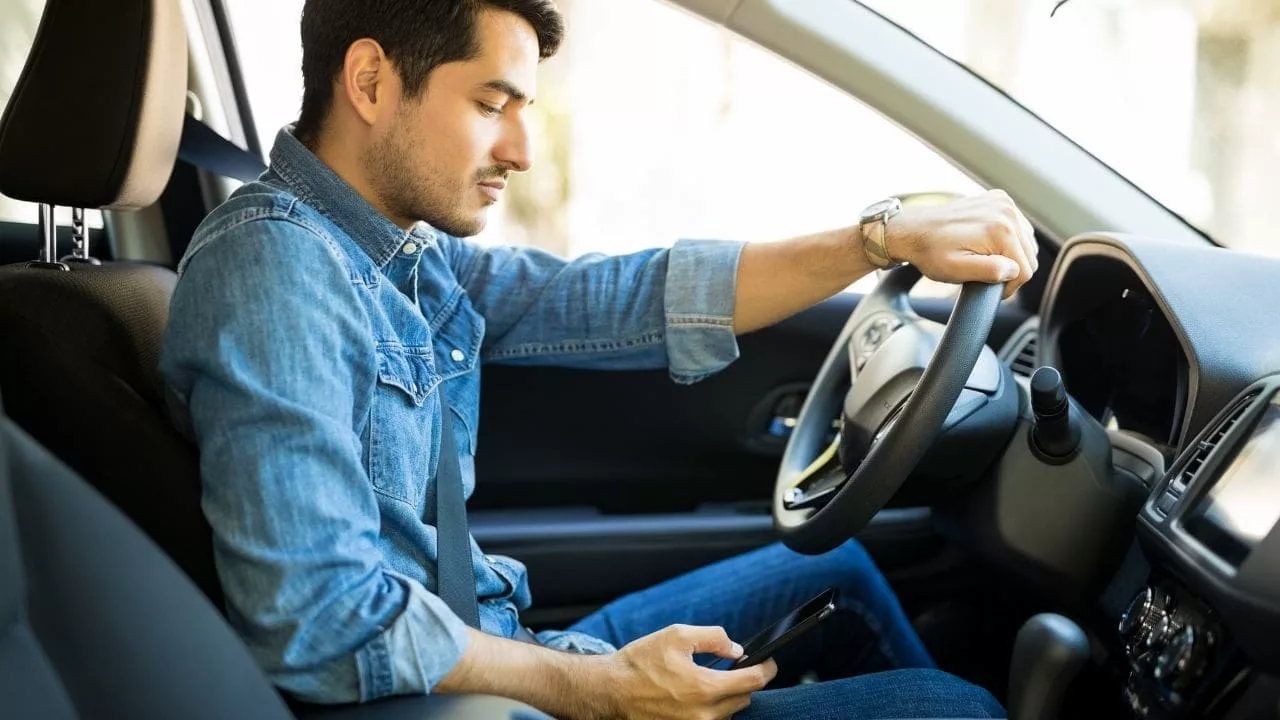
Kentucky logged nearly 5,700 distraction-related crashes in 2024, resulting in 27 fatalities, according to the Louisville Courier-Journal. Louisville carries a large share of that risk, and the evidence that shows a driver was distracted disappears quickly after a crash.
Distracted Driving Numbers in Kentucky and Louisville
Jefferson County, which includes all of Louisville, leads Kentucky in total reported crashes. The Kentucky State Police 2024 Traffic Collision Facts report records 25,417 collisions and 109 traffic deaths in Jefferson County in 2024, more than any other county. High population density, heavy commuter traffic, and a mix of interstates, arterials, and residential streets raise the risk.
Nationally, 3,208 people were killed and an estimated 315,167 were injured in crashes involving distracted drivers in 2024, according to the National Highway Traffic Safety Administration.
Visual, Manual, and Cognitive Distraction
Driver distraction falls into three types, as the Centers for Disease Control and Prevention describes them, and each can cause a serious crash.
Visual Distraction
Visual distraction takes a driver’s eyes off the road. Sending or reading a text takes a driver’s eyes off the road for about five seconds, which at 55 mph covers the length of a football field, according to NHTSA. Visual distractions include phones, GPS screens, and infotainment systems.
Manual Distraction
Manual distraction takes a driver’s hands off the wheel. Eating, drinking, adjusting controls, or holding a phone all require removing one or both hands from steering. At high speeds or in dense traffic, a brief manual distraction can eliminate the margin needed for controlled emergency braking or steering.
Cognitive Distraction
Cognitive distraction takes a driver’s mind off driving. Hands-free phone calls are a prime example: a conversation, even on speakerphone, slows reaction time and reduces situational awareness. Texting combines all three types of distraction, making it one of the most dangerous driver behaviors on the road, and according to an Advocates for Highway and Auto Safety fact sheet citing NHTSA data, the percentage of drivers visibly using handheld devices while driving increased 82 percent between 2013 and 2022.
Kentucky Texting and Phone Laws
Kentucky bans texting while driving for all drivers. KRS 189.292 bars writing, sending, or reading text-based communication on a personal communication device while the vehicle is in motion, and KRS 189.294 bars drivers under 18 from using a personal communication device while driving. Kentucky has no general hands-free law for adult voice calls, as the breakdown of Kentucky hands-free driving rules explains.
A driver who violates a safety statute and injures someone can face a negligence per se claim in Kentucky. When a commercial driver uses a handheld device in violation of FMCSA regulations, the conduct can support a claim for punitive damages on top of standard compensatory damages.
Punitive Damages for Distracted Driving
Kentucky punitive damages are governed by KRS 411.184, and Kentucky courts allow them for gross negligence, a wanton or reckless disregard for the safety of others. A driver texting at highway speeds or scrolling through a school zone can meet that standard depending on the specific facts of the crash.
Louisville Roads With Distracted Driving Crashes
Distracted driving crashes are not distributed evenly across Louisville’s road network. The corridors where distraction does the most damage overlap with the most dangerous roads in Louisville:
- Interstate 265 (the Gene Snyder Freeway) carries high volumes of commuter traffic with numerous interchange merges, where a momentary lapse can cause a chain-reaction crash.
- Interstate 65 through downtown Louisville combines speed, volume, and heavy truck traffic with complex interchange geometry.
- Bardstown Road and Frankfort Avenue have heavy pedestrian activity and frequent stops that make distraction especially dangerous for vulnerable road users.
- Dixie Highway carries over 60,000 vehicles daily through complex intersections.
- Preston Highway and New Cut Road mix commercial and residential use, which generates unpredictable stop patterns.
People Hit by Distracted Drivers
Rear-end crash victims are the most common, hit by a distracted driver following too closely who does not notice stopped traffic. Nationally, nearly one in five distracted driving fatalities involves a pedestrian, cyclist, or other non-occupant, and cyclists are especially vulnerable to drivers who drift out of a lane or fail to notice an intersection. Passengers in the distracted driver’s own vehicle had no role in causing the crash and retain full injury rights against their own driver and any other at-fault parties.
Evidence of Distracted Driving
A distracted driving case requires specific evidence, since at-fault drivers rarely admit to phone use and that evidence disappears quickly. The strongest cases draw on:
- Subpoenaed cell phone records showing texting or app activity at the exact time of the crash
- In-vehicle data such as Bluetooth connection logs and infotainment activity
- Traffic and surveillance camera footage, obtained before short retention windows expire, as described in the overview of how the firm obtains crash footage
- Witness statements from bystanders who saw a driver looking down before impact
- Police report notations documenting the driver’s phone use or behavior at the scene
Cell carriers typically retain text and data records for a limited window, so subpoenas and preservation notices need to go out early to capture what an at-fault driver was doing.
Ready to Take Action on Your Injury Claim?
After a serious injury, medical bills pile up while the insurance company looks for ways to pay you less. Most law firms take their cut first and leave you with whatever is left. Sam Aguiar Injury Lawyers does things differently. With our exclusive Bigger Share Guarantee®, you always get more. Every client gets a dedicated three-person team: an attorney, a case manager, and a legal assistant. We never raise our fee rate if we have to go to court, and you pay $0 Out-Of-Pocket Forever.
Frequently Asked Questions
1How many crashes happen in Jefferson County, home to Louisville, each year?+
2How many people die each year in distracted-driving crashes nationally?+
3Is it illegal to use a phone while driving in Kentucky?+
4Can a distracted driver owe punitive damages in Kentucky?+
5How much does texting take a driver’s attention off the road?+
Latest Articles
Kentucky Diminished Value Claims
Kentucky drivers may pursue a repaired vehicle’s leftover market loss from the at-fault driver as part of a.
FMCSA Revoked ELDs: Fleet Compliance and Enforcement Deadlines
FMCSA removed five electronic logging devices from the registered list on August 6, 2026, and set an October.

FMCSA English Proficiency Rule and OOS Enforcement
FMCSA English Proficiency Rule Sam Aguiar Injury Lawyers August 11, 2026 7 minute read On This Page.