INJURED IN LEXINGTON?
You Focus On Getting Better.We Handle Everything Else.

On This Page
Lexington injury cases can involve local road evidence, medical records, employment documents, commercial data, and several layers of insurance information. A clear file keeps verified facts, disputed points, and open questions separate.
Lexington Injury Cases
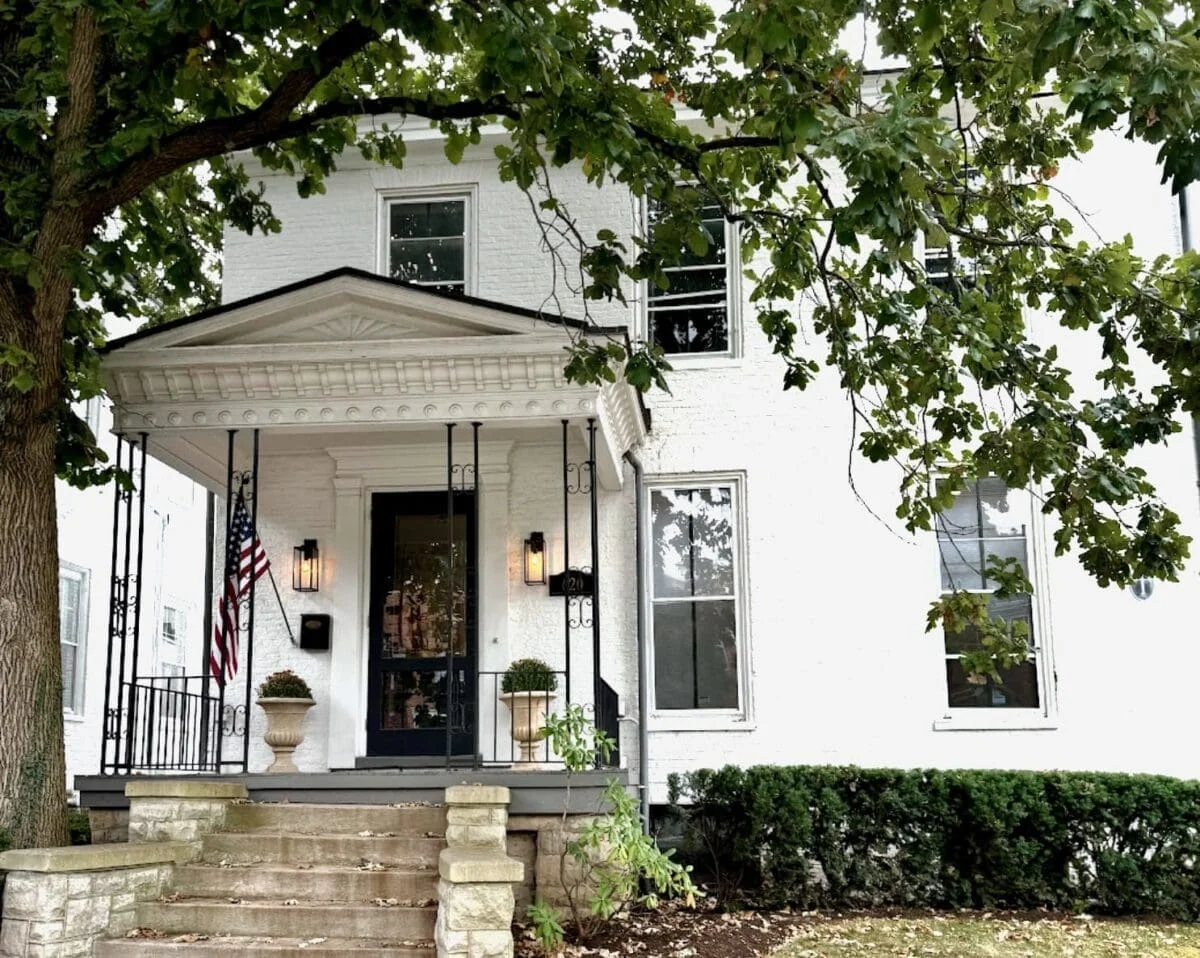
Sam Aguiar Injury Lawyers represents people injured in Lexington and throughout central and eastern Kentucky. The Lexington office at 620 W. Main St. gives clients a local place to meet with a team that handles car, truck, motorcycle, pedestrian, bicycle, rideshare, commercial-vehicle, wrongful-death, and other serious injury matters.
A Lexington case is built from the people, vehicles, businesses, medical care, insurance coverage, and records connected to the event. The useful evidence may include a collision report, scene photographs, medical charts, wage information, commercial records, digital data, or insurance correspondence. Each source answers a different question, so the file should keep confirmed facts separate from assumptions and unresolved issues.
People looking for crash-specific information can also review our Lexington car accident lawyers page. This page explains the broader record-building issues that can arise across serious injury cases in Lexington.
Lexington Roads
Lexington traffic moves through a connected network of interstates, beltways, urban roads, neighborhood streets, and rural approaches. I-75 and I-64 carry interstate and commercial traffic. New Circle Road circles much of the city. Nicholasville Road, Richmond Road, Versailles Road, Harrodsburg Road, Tates Creek Road, and Man o’ War Boulevard connect residential areas with shopping, medical care, schools, employment centers, and the surrounding region.
The location of an incident can affect which agency investigated it and which records may exist. A report can identify drivers, vehicles, insurers, witnesses, roadway conditions, and an officer’s observations. Photographs may show vehicle positions, impact points, debris, visibility, traffic controls, and nearby businesses. Video may come from a vehicle, storefront, residence, or other camera source. When one source is unavailable, the file may still contain other evidence that describes the same event.
The Kentucky Office of Highway Safety publishes a Traffic Collision Facts series compiled from statewide collision reports. Those reports provide broader context, while the individual report, photographs, witness accounts, and physical evidence remain the sources that describe a particular Lexington event.
Vehicle And Road-User Cases
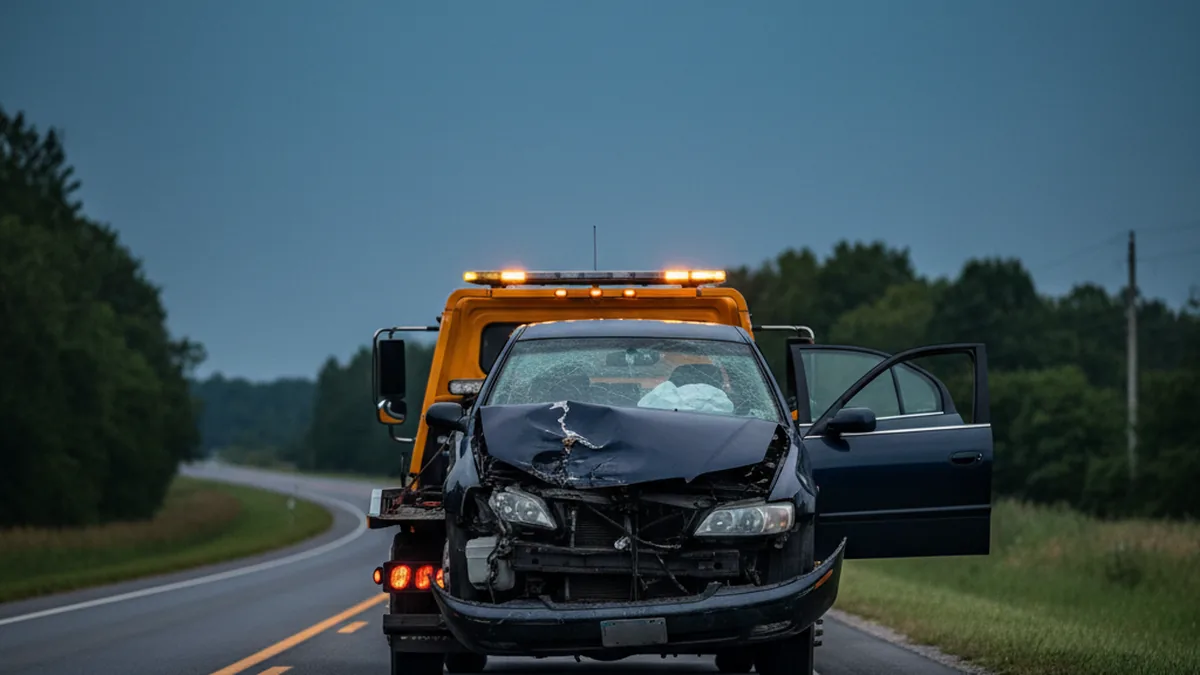
Passenger-vehicle cases can range from a two-car intersection collision to a chain reaction involving several drivers. The physical evidence may include damage patterns, measurements, photographs, event data, repair records, towing records, or witness accounts. The insurance questions can differ when a vehicle was borrowed, used for work, occupied by several people, or connected to a rideshare or delivery platform.
Motorcycle, pedestrian, and bicycle cases often require a close examination of sight lines and movement through the roadway. A driver may describe events differently from a rider, pedestrian, cyclist, or independent witness. Lighting, lane markings, crosswalks, traffic signals, parked vehicles, construction, and the position of each person can affect the available evidence. An unprotected person may also experience a different pattern of injury from an occupant inside a passenger vehicle.
A clear case record connects the incident evidence to the medical course and other documented effects. It identifies which facts are confirmed, which remain disputed, and which sources may answer the open questions. That structure is more reliable than relying on one photograph, one statement, or one insurance summary by itself.
Incident Records
Reports, photographs, video, witness information, vehicle data, and roadway details describe the event.
Medical Records
Emergency care, imaging, specialist notes, therapy, restrictions, and follow-up records describe the injury course.
Financial Records
Wage documents, bills, receipts, coverage letters, and policy records describe documented financial effects.
Commercial Vehicle Evidence
A collision involving a tractor-trailer, box truck, delivery van, rideshare vehicle, or other business vehicle may create records that do not exist in a typical passenger-car case. Depending on the vehicle and operation, those records may include driver qualification materials, dispatch information, delivery data, inspection and maintenance files, electronic logging information, onboard video, telematics, cargo documents, and communications with a carrier, contractor, or platform.
Those records do not all prove the same point. A driver log concerns duty status. A maintenance file concerns the condition and service history of a vehicle. Dispatch and delivery data may establish timing, route, or work activity. Camera and telematics data may describe vehicle movement. Contracts, business records, and insurance documents may identify the companies and coverage connected to the trip.
49 CFR Part 395 addresses hours-of-service and driver-duty records for covered motor carriers and drivers. Its application depends on the operation and any relevant exception. The presence of a commercial vehicle does not answer every legal or factual question, so the file should separate records that are actually available and applicable from assumptions about how the vehicle was being used.
“The process was as easy and straightforward as anyone can make it. I would definitely recommend this firm to anyone.”
- Robyn W.
Medical Records
Medical evidence describes the connection between the incident, reported symptoms, diagnosis, treatment plan, and recovery. Emergency records may document the initial presentation and testing. Imaging reports, specialist notes, therapy records, operative reports, prescriptions, written restrictions, and follow-up evaluations may show how a condition developed over time. Bills are related evidence, but they do not replace the clinical chart.
A complete medical file may be spread across several providers and systems. An emergency department may have its own notes and imaging. A radiology group may issue a separate interpretation. A specialist, therapist, pharmacy, or rehabilitation provider may keep additional records. A gap in a production can reflect a missing facility, a different date range, or a separate billing entity rather than an absence of care.
Kentucky law addresses a patient’s written request for a copy of a medical record in KRS 422.317. For case analysis, the practical task is organizing the available medical material by provider and date, identifying what each source shows, and keeping clinical records distinct from bills and insurance correspondence.
Work And Daily-Life Records
An injury can affect work in different ways. One person may miss a defined block of time. Another may return with restrictions, reduced hours, or different duties. A self-employed person may have a more complex record involving invoices, schedules, contracts, tax documents, or business activity. Pay stubs, employer statements, attendance records, disability forms, and medical restrictions may document the employment impact when the dates and details are consistent.
Daily-life effects also need specific support. Calendars, transportation receipts, home-service invoices, mobility-equipment records, and contemporaneous communications may explain changes that are not fully described by a medical bill. The point is to identify records that reliably connect an actual change to the injury and place it in a clear timeline.
Good organization makes discrepancies easier to see. Dates, job duties, rates of pay, medical restrictions, and missed time should align where the source records allow. If they do not, the difference should remain visible until it can be explained. That same verified-versus-open approach applies to every part of a Lexington injury file.
Insurance Records
Insurance records may include policy declarations, coverage letters, repair estimates, payment explanations, requests for statements, medical authorizations, and written positions from one or more carriers. These documents can show what was reported, which policy was reviewed, what information was requested, and when a decision or payment was communicated. They should be read alongside the incident and medical evidence rather than treated as a complete account of the case.
More than one policy may require review when several vehicles, household members, employers, businesses, or contractors are connected to an event. The policy language, vehicle use, named insureds, endorsements, exclusions, and facts of the trip can affect the analysis. A coverage question should remain open until the relevant documents and facts are available.
Keeping insurance correspondence in date order makes the record easier to evaluate. It can identify unanswered requests, changing estimates, missing enclosures, or a coverage position that relies on a disputed fact. A chronological file also prevents a later letter from being mistaken for the first notice of an issue.
Preserving Digital Evidence
Digital evidence can be temporary even when the underlying event is significant. Traffic-camera systems, nearby businesses, doorbell cameras, rideshare platforms, mobile devices, vehicle systems, and commercial fleets may keep different kinds of information for different periods. A source may record only part of the route or event, and an available recording may be overwritten through an ordinary retention cycle. Identifying the possible source, location, date, and time helps distinguish a focused preservation request from a general search.
Metadata can be as important as the visible content. The original file may contain creation time, device information, coordinates, or other properties that are lost when an image or video is copied through a message, social platform, or screenshot. A preserved original, together with a record of who supplied it and how it was received, gives later reviewers more context. Copies used for review should remain connected to the preserved source rather than replacing it.
Electronic records also require careful interpretation. A timestamp may use a different time zone. A vehicle event may show speed or braking without explaining what the driver could see. Location history may identify a device rather than prove who held it. Messages may be incomplete without the surrounding thread. The file should record what the data directly shows, what must be inferred, and what additional source could confirm the point. That method keeps useful digital evidence from becoming broader than the record supports.
Verified Facts
A sound case record distinguishes a verified fact from an inference and an unresolved question. A dated medical note, photograph with reliable context, authenticated business record, or policy document may directly support a point. A recollection or reasonable interpretation can still matter, but it should not be presented as if another source has already confirmed it. Open questions should stay visible until the appropriate record or witness addresses them.
This distinction becomes important when several accounts overlap. A police report may summarize what was said at the scene, while later testimony, video, physical evidence, or electronic data adds detail. A medical chart may record symptoms and clinical findings, while employment records describe a different part of the injury’s effect. The file is clearer when each source is used for the question it can answer.
A missing record is not proof that an event did not occur. It is an evidence gap. Naming the gap preserves the uncertainty and points to the next source that may resolve it. The resulting narrative stays tied to reproducible records instead of assumptions.
Lexington Office
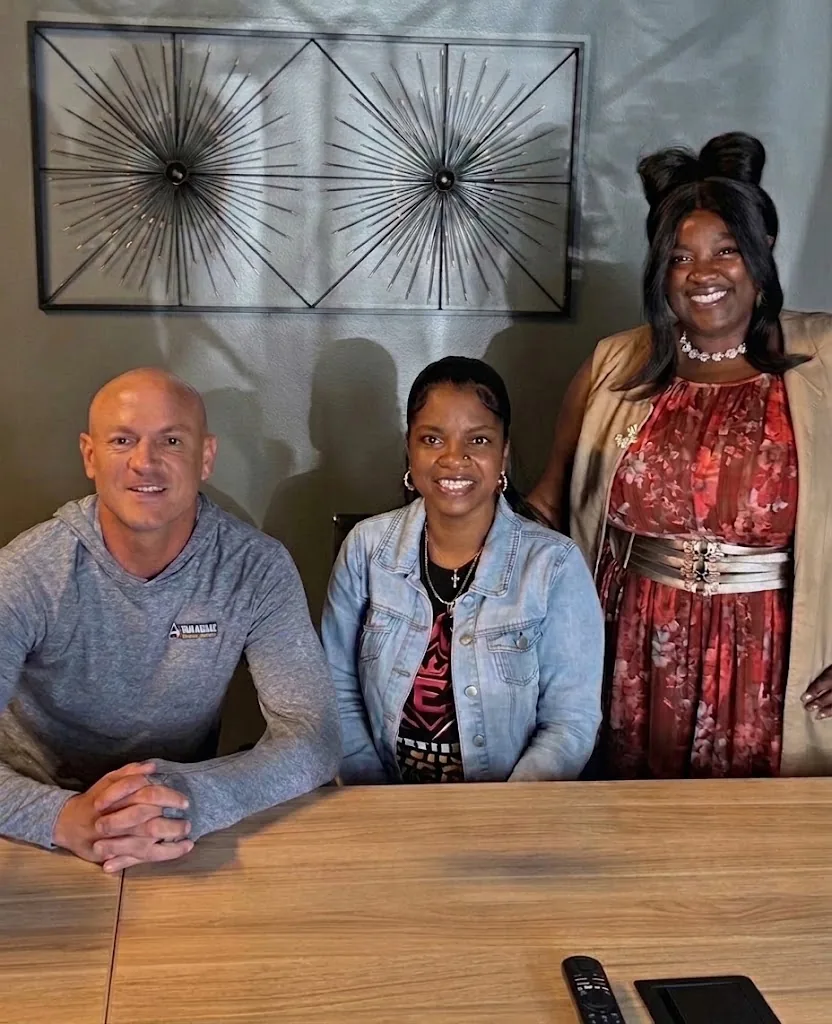
The firm’s Lexington office is located at 620 W. Main St. Jon Hollan serves as Managing Partner for the Lexington office and the firm’s central and eastern Kentucky presence. Clients work with a three-person case team that includes an attorney, case manager, and legal assistant.
Different roles keep the legal, factual, medical, and communication work connected. The file should make the next issue visible, whether that is a missing report, incomplete medical production, unanswered coverage question, disputed event detail, or record that still needs verification. Clients can learn more about Jon Hollan and the rest of the lawyers and staff on the Meet Our Team page.
Sam Aguiar Injury Lawyers handles personal injury matters from offices in Lexington and Louisville. Visitors can also review the firm’s case results, read real client reviews, or see the full terms of the Bigger Share Guarantee®.
Cases We Handle
The practice-area tiles below identify several kinds of injury cases handled by the firm. Each case still requires its own review of the people, businesses, coverage, injuries, and records involved.

Car Accidents
A car accident can cause serious injuries, medical bills, missed work, and a long recovery. Read more...
Truck Accidents
Truck accidents can involve driver logs, maintenance records, company safety policies, and several insurance layers. Read more...

Motorcycle Accidents
Motorcycle riders can suffer painful injuries and disputes about how the accident happened. Read more...

Rideshare Accidents
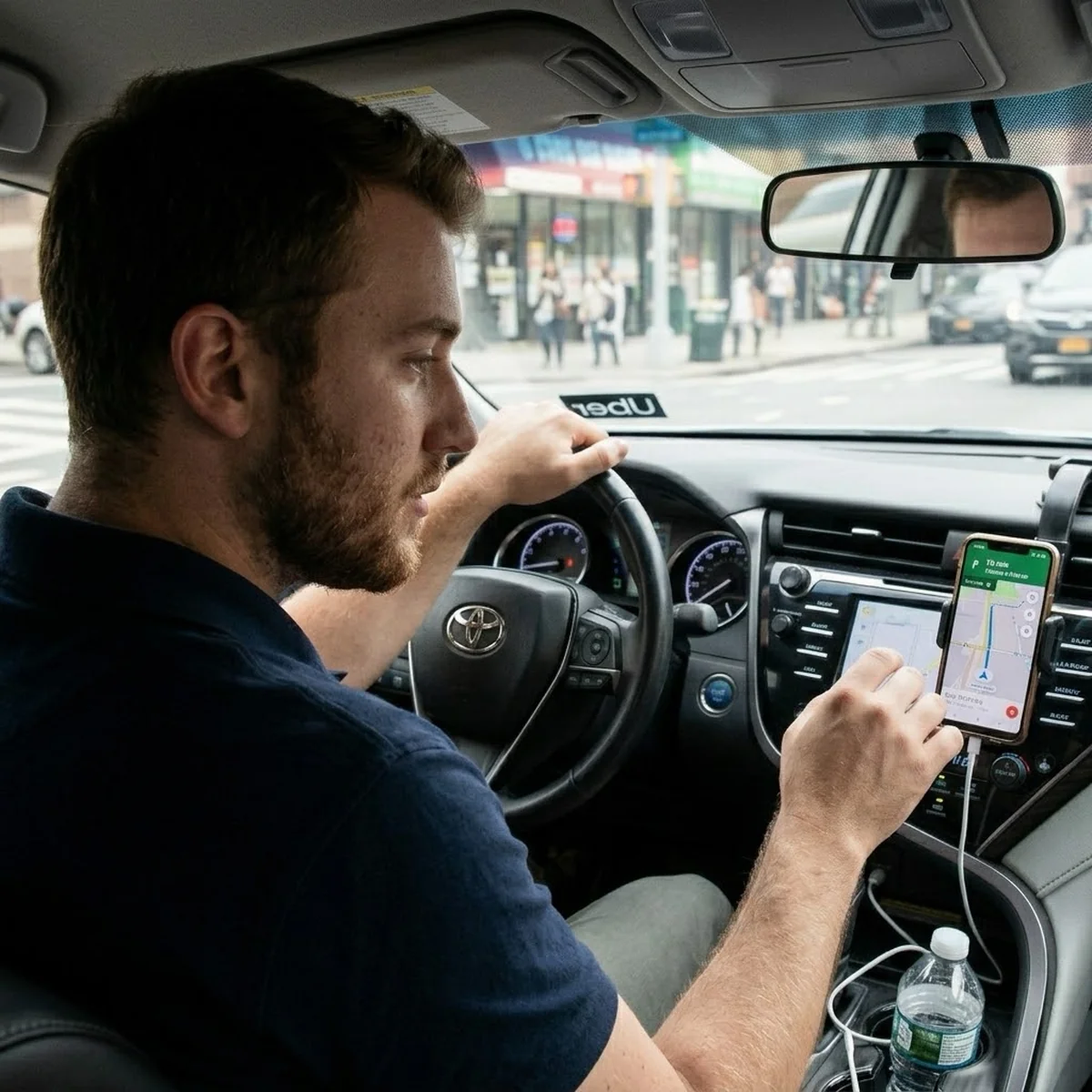
Rideshare accidents can involve app records, driver-status questions, and layered insurance coverage. Read more...

Pedestrian And Bicycle
Pedestrian and bicycle accidents can require scene photographs, witness details, traffic-control records, and medical documentation. Read more...

Wrongful Death
Wrongful death cases can involve estate issues, family losses, insurance coverage, and the facts that caused the accident. Read more...
Giving Back To Communities We Serve
Kentucky is our home. Through our Sam Cares program, we have contributed over $6 million to local charities, schools, and community organizations. We believe in lifting up the neighborhoods we serve, and our track record confirms it. Learn more.
If an injury has disrupted your life in Lexington, use the Free Case Review form beside this page to tell our team what happened.
Frequently AskedQuestions.
What does a Lexington collision report contain?
Which records may describe a collision on New Circle Road or Nicholasville Road?
Which medical records may matter in a Lexington injury case?
Which trucking or delivery records may be relevant near Lexington?
Why are insurance communications part of a Lexington case file?
Which wage records can document missed work after a Lexington injury?
How does the Bigger Share Guarantee® apply?
Lexington Accident?
Get More. Get It Faster.
Lexington Accident.
Get More. Get It Faster.
You focus on getting better. We’ll handle everything else.