

Motorcycle Accidents and Weather Cases
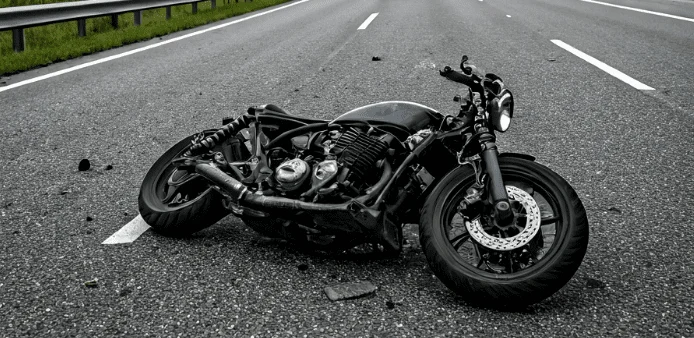
Rain, fog, and ice change how a motorcycle crash happens and how fault gets assigned afterward. Every driver on a Kentucky road still owes a duty to operate safely around a motorcycle when conditions turn bad. Kentucky’s climate creates hazards for riders in every season: sudden spring and summer thunderstorms, fall fog in river valleys, and winter ice and road salt that can linger into March.
Weather and Motorcycle Crash Liability
Liability in a weather-related motorcycle crash follows the conduct of the drivers involved. Wet pavement, fog, and ice explain the setting of a crash. The question for an insurer or a jury is what each driver did, or failed to do, once conditions changed.
Kentucky applies pure comparative fault under KRS 411.182, so fault is divided by percentage among everyone whose conduct contributed to the crash. A full look at the evidence comes before any conclusion about how a weather-related crash happened.
Crash Risk for Riders in Bad Weather
Weather-related crashes are a steady share of U.S. traffic, and rain is the condition present in most of them.
12%
Share of U.S. vehicle crashes that occur in adverse weather
745,000
Weather-related crashes in an average year
77%
Weather-related crashes that happen in rain or mist
Source: Federal Highway Administration, five-year averages from 2019 to 2023 based on NHTSA data.
A motorcyclist has a far smaller margin for error than someone in a car or truck. Reduced tire contact, limited visibility, and longer stopping distances make every weather hazard more dangerous on two wheels. The injuries those crashes produce are covered in the overview of severe motorcycle accident injuries.
Driver Duties in Bad Weather
Every driver has a duty to adjust to current conditions by reducing speed, increasing following distance, and using headlights. When a car or truck driver skips those adjustments and hits a motorcyclist, that failure drives liability. Kentucky’s KRS 189.290 requires every operator to drive carefully, with regard for the safety of other persons and property.
Hydroplaning Into a Motorcycle
A vehicle that hydroplanes on standing water and loses control usually points to more than bad luck. Speed for the conditions, tire condition, and following distance all factor into whether the driver behaved responsibly before losing control.
Reduced Visibility Collisions
Fog and heavy rain shorten how far ahead a driver can see. A motorcycle presents a smaller visual profile than a car, so a driver who keeps speed in low visibility has even less time to react to a rider ahead.
Ice and Snow Crashes
Residual ice and road salt can remain a hazard on Kentucky roads well after a storm has passed. A driver traveling too fast for icy conditions, or ignoring black ice in shaded areas or on bridges, can be found responsible for a resulting crash.
Road Maintenance Failures in Weather
Sometimes the hazard is the road itself. Standing water from poor drainage, or a pothole hidden under rain, can turn a maintenance failure into the cause of a crash. A government entity or road maintenance contractor that failed to repair a known hazard may share responsibility, and road maintenance records and prior complaints show whether that party had notice of the condition.
Insurer Arguments About Riding in Rain
Insurance adjusters often suggest a rider should not have been on the road in poor conditions. Riding in rain or fog is not, by itself, a bar to a case. The stronger analysis stays on the other driver’s specific conduct, such as speeding on wet pavement or following too closely, so the weather does not become the whole story. The steps after a motorcycle crash shape how much of that record exists.
Weather Evidence After a Crash
Conditions at the time and place of a crash can be reconstructed from several records:
- Archived radar data from the National Centers for Environmental Information, the NOAA archive for National Weather Service radar
- Dashcam or helmet camera footage
- Vehicle telematics data
- Road condition reports
- Meteorological testimony in complex cases
The same records carry weight in any Kentucky motorcycle crash case, whether the dispute is about fault, visibility, or road surface.
Kentucky Helmet Rules for Riders
Kentucky requires helmets for some riders and eye protection for every operator. Under KRS 189.285, protective headgear is required for riders under 21, operators on an instruction permit, and operators licensed for less than one year, and every operator must use an approved eye-protective device while the motorcycle is moving. Wearing a helmet can strengthen a case. Not wearing one does not bar a case, but it may affect how head injury damages are assessed.
Blamed for Riding in the Rain?
Insurers like to argue that a rider on wet pavement accepted the danger, yet drivers owe the same care in bad weather, and often more. Sam Aguiar Injury Lawyers gathers weather records, road conditions, and witness accounts to show what the other driver did. A dedicated three-person case team handles the insurer, and the fee never goes up if your case goes to trial. Request a free case review to talk through the weather evidence in your crash.
Frequently Asked Questions
1Can I still file a motorcycle accident case if it was raining when I crashed?+
2How are weather conditions at the time of a motorcycle crash established?+
3Will the insurance company blame the rider for riding in bad weather?+
4What if a pothole or road defect caused the crash in the rain?+
5Does Kentucky’s helmet law affect a weather-related motorcycle case?+
Latest Articles
Kentucky Diminished Value Claims
Kentucky drivers may pursue a repaired vehicle’s leftover market loss from the at-fault driver as part of a.
FMCSA Revoked ELDs: Fleet Compliance and Enforcement Deadlines
FMCSA removed five electronic logging devices from the registered list on August 6, 2026, and set an October.
FMCSA English Proficiency Rule and OOS Enforcement
FMCSA English Proficiency Rule Sam Aguiar Injury Lawyers August 11, 2026 7 minute read On This Page.