
Lexington Injury Lawyers
Injured In Lexington?
You Focus On Getting Better.
We Handle Everything Else.

Get Lexington’s Top-Rated Injury Lawyers On Your Side
An accident can change your life in seconds. One minute you are going about your day. The next, you are in pain, out of work, and watching medical bills you never planned for stack up on the kitchen table. While you are trying to heal, the insurance company is already at work, looking for ways to pay you less than you are owed.
That is where Sam Aguiar Injury Lawyers comes in. We handle the entire claim: the paperwork, the phone calls, the adjusters, the pressure. You get a dedicated three-person team, an attorney, a case manager, and a legal assistant, focused on one thing: getting you every dollar you are owed while you put your energy into getting better.
For Lexington car accident depth (coverage questions, crash corridors, and claim next steps), see the Lexington car accident page.
If the crash was in Fayette County, start with the city pages for Lexington car accident claims, Lexington truck accident claims, Lexington rideshare accident claims, or other Lexington personal injury claims.
The Lexington office also handles motorcycle accidents, pedestrian accidents, dog bite cases, dram shop claims, ATV accidents, and wrongful death claims in Fayette County.
Hablamos español. Spanish-speaking clients can also read atención en español para accidentes de auto en Lexington.
No two cases come with the same record. A collision report may identify drivers and witnesses but say little about later medical care. Clear analysis keeps confirmed facts, supported interpretations, and unanswered questions separate.
Key Takeaways
Recognition
Why Lexington Chooses Sam Aguiar
With the Bigger Share Guarantee®, you always get more. After medical bills, liens, and costs are paid, you walk away with more money than the lawyer. If your share would be less, the firm cuts its fee.
The firm carries Over 1,000 Five-Star Google reviews and a 4.9/5 rating, and has produced more than 40 seven-figure results in the last five years. Sam Aguiar is one of only two attorneys in Kentucky named to Forbes Best-In-State for personal injury, and the firm is a Courier Journal Community Choice Winner for Best Personal Injury Lawyer. Sam has been selected to Super Lawyers every year since 2017.
Average resolution time is under 7 months. Most cases are qualified in under 10 minutes.
Cases We Handle in Lexington
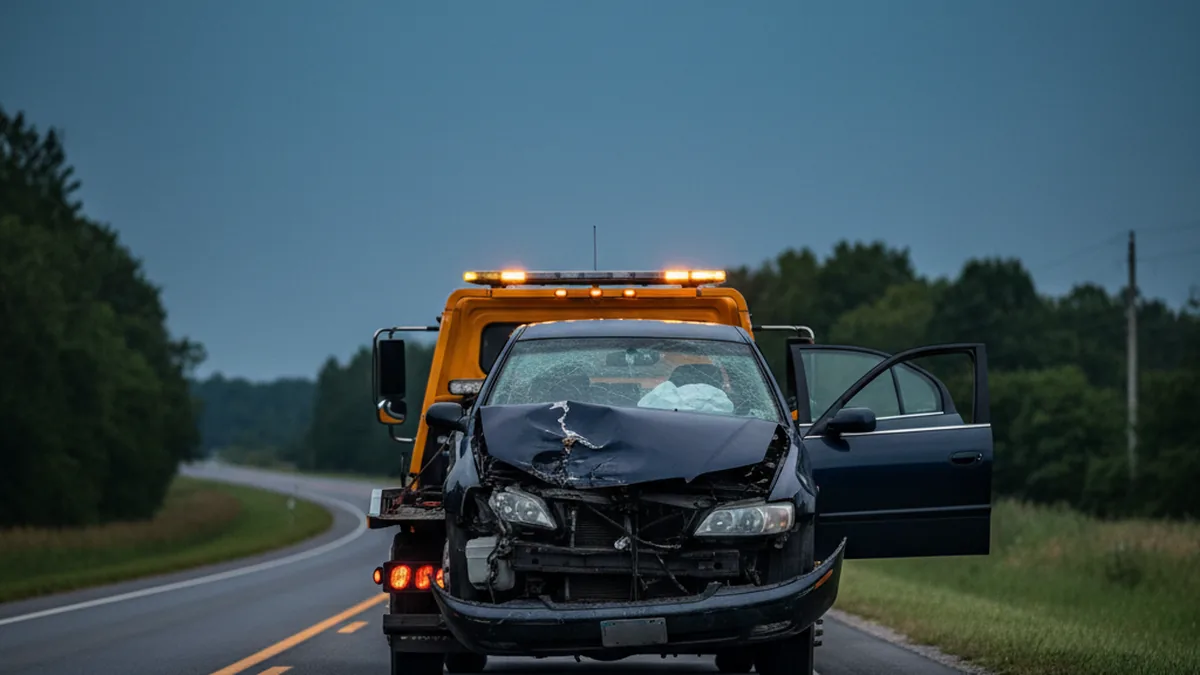
Car Accidents
Car accident cases can involve medical records, vehicle damage, witness accounts, and several insurance coverages.

Truck Accidents
Truck accident cases may involve driver logs, vehicle data, maintenance records, and company safety policies.

Motorcycle Accidents
Motorcycle accident cases often turn on scene evidence, witness accounts, vehicle damage, and medical records.

Wrongful Death
Wrongful death cases involve the facts of the accident, estate issues, and documented losses.
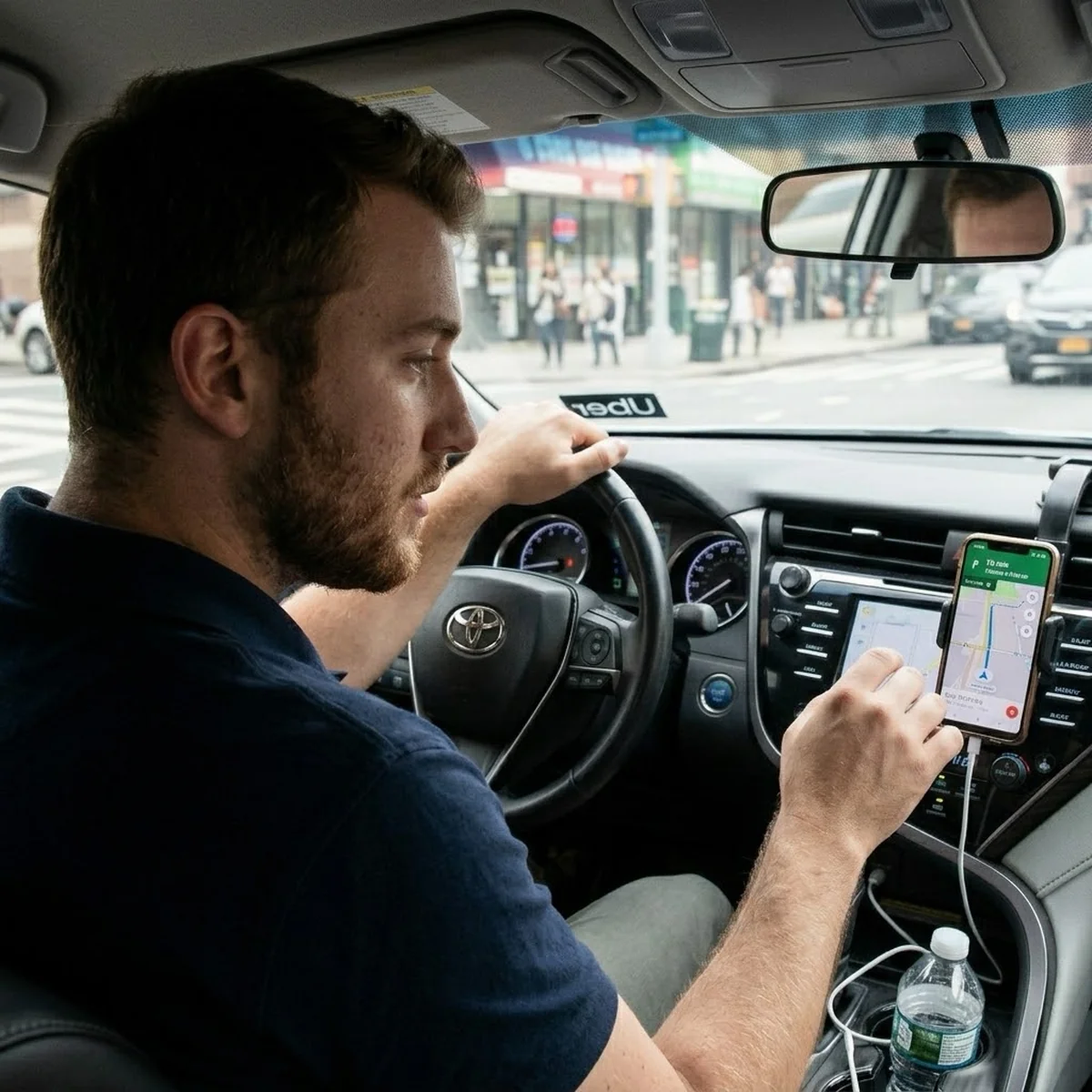
Uber and Lyft Accidents
Rideshare coverage can depend on the driver’s app status when the accident happened.

Pedestrian Accidents
Pedestrian accident cases may rely on scene photographs, witness accounts, traffic records, and medical documentation.

Dog Bites
Dog bite cases may involve medical records, witness accounts, and proof of ownership.

Premises Liability
Premises cases may involve photographs, incident reports, property records, and evidence about the unsafe condition.
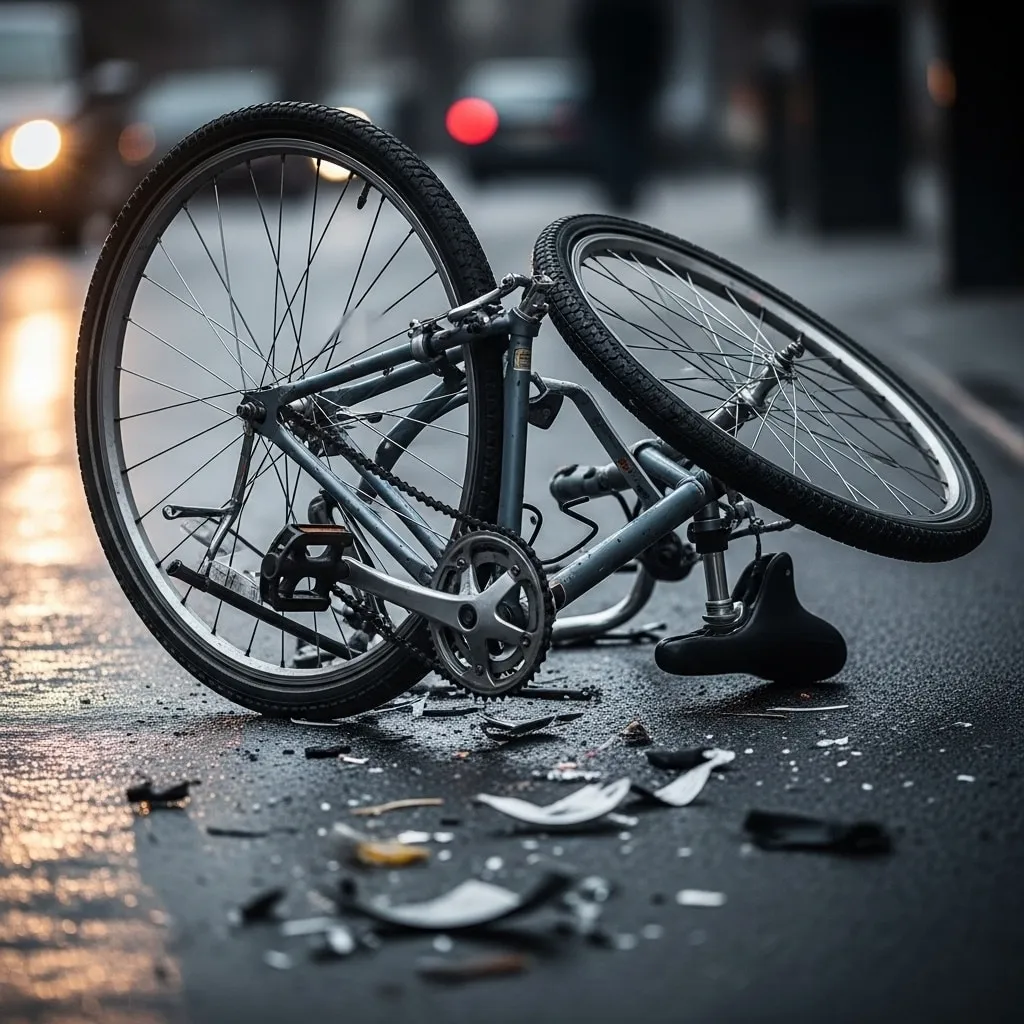
Bicycle Accidents
Bicycle accident cases may turn on road position, right-of-way rules, vehicle damage, and witness accounts.

Delivery Accidents
Delivery accident cases may involve driver records, company policies, vehicle data, and layered insurance coverage.
Insurance Bad Faith
Insurance bad faith cases focus on the policy, claim file, communications, and the insurance company’s handling of the claim.

ATV Accidents
ATV cases may involve product design, rider age rules, property conditions, and insurance coverage.
Lexington’s Personal Injury Lawyer
Sam Aguiar founded Sam Aguiar Injury Lawyers in 2010. He represents people injured in car and truck accidents across Kentucky and brings national trial experience to that work.
His recognition includes two Best-in-State honors and Super Lawyers selection every year from 2017 through 2026. He has also been named to the National Trial Lawyers Top 100 and Trucking Trial Lawyers Top 10.
Readers chose him for the Courier Journal Community Choice award. He earned his J.D. from the University of Louisville Brandeis School of Law and is admitted in Kentucky.

What Our Clients Say
Hear directly from the 15,000+ families we’ve represented across Kentucky.
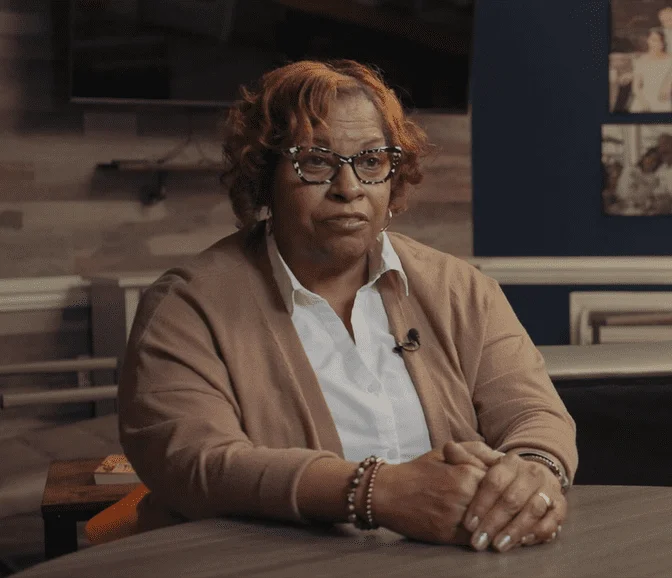

“After a car accident, my granddaughter was left with hospital and doctor bills insurance was refusing to pay. She hired this firm and they immediately started going after her, and did amazing! They make you feel welcome from the minute you walk in. Every interaction was respectful and caring. Absolutely the best.”
“By far the best injury lawyer in the state. Sam’s team worked hard diligently to settle my case. I never had to call, never needed updates, and never had to worry. If you want a lawyer who gives you that trusting, understanding, family-like feel, let Sam and his associates take care of you!”
“THANK YOU SO SO MUCH to Jordan, Terry, and all who helped on my case! There are no words that can describe how amazing you all are! Sam Aguiar, you have a wonderful crew working with you! Keep up the great job, I’m recommending everyone to come here!”
“My experience was amazing. I could not have done this by myself. They took care of all of my needs while I was trying to recover. I definitely got more than I expected, so thanks, guys. The people who helped me were amazing. Just put your faith in this amazing company.”
“I cannot say enough good things about the staff. Nick and Christine, you will forever have a special place in my heart. During my case, I lost both parents, and Christine sent me a special gift during a very low point in my grief. If you want an honest, open, and caring staff, this is the place for you.”
“I’ve worked with this office multiple times and wouldn’t go anywhere else. I’m always heard and my needs are met. I had the pleasure of working with Chy (a literal ray of sunshine), Payton, and J. If you’re looking for people to have your back and take care of you, this is the place.”
Your Case Team
Every client at Sam Aguiar Injury Lawyers gets a three-person case team: an attorney, a case manager, and a legal assistant. The attorney directs the legal strategy. The case manager keeps the case moving and keeps the client informed. The legal assistant handles the documents and logistics. The team works together from the first phone call through the final settlement.
The firm keeps caseloads low and staff support high. That structure is why the average case resolves in under seven months. Lower caseloads mean the team has time to push for higher insurance reserves, persistently update the insurer on the case’s progress, and push for a faster settlement without cutting corners on the result.
Three People On Every Case
Attorney
Directs the legal strategy and tries the case if it goes that far.
Case Manager
Keeps the case moving and keeps you informed.
Legal Assistant
Handles the documents, records, and logistics.
Bigger Share Guarantee®You Always Get More
How It Works
Your Injury Case
Settles
We recover compensation through settlement or verdict and determine the full amount coming into the case.
We Calculate
Your Net Recovery
Medical bills, liens, and case expenses are accounted for so the real bottom-line numbers are clear.
Our Fee is Compared
With Your Net
We apply our contingency fee and compare it to what you would actually take home.
Bigger Share
Guarantee® Protects You
If our fee would leave you with less than us, we reduce it so you get the bigger share. Period.
Hire A Firm With Resources To Win
catastrophic injury cases, truck and commercial vehicle wrecks, and claims against well-funded corporations and their insurers are an entirely different matter. These cases demand accident reconstruction, electronic data analysis, medical and economic experts, and the financial ability to front substantial costs, all while going up against opponents with deep pockets and teams of defense lawyers built to wear plaintiffs down. Many firms say they take on complex claims; far fewer are built for them.
The firm has immediate access to investigators, accident reconstructionists, life-care planners, economists, and medical professionals. For truck and commercial vehicle cases, a dedicated trucking team handles every file. Jon Hollan and Sam Aguiar both hold membership in the Trucking Trial Lawyers Association Top 10, and the firm has six months of real-time access to DOT and TriMarc camera footage archives.
On Call For Every Case
Lexington Is Home
The firm’s contact page carries the current office details and directions. Call (859) 888-8000 for the Lexington line. The office is one of the firm’s two physical Kentucky locations; the other is in Louisville.
The Lexington office is in Fayette County. Focused location pages serve nearby communities:
The main locations directory lists the firm’s current geographic pages. The firm’s team directory and Bigger Share Guarantee® page keep firm-wide detail off this local hub.
Accidents By The Numbers
Lexington’s road network includes Interstate 75, Interstate 64, New Circle Road, Nicholasville Road, and Man o’ War Boulevard. Those corridors carry regional traffic through Fayette County and into nearby communities.
The Kentucky Transportation Cabinet’s 2023 Traffic Collision Facts book records 12,090 collisions in Fayette County that year, including 49 fatal collisions and 1,711 injury collisions. Those county totals describe volume. They do not decide what caused any one crash.
A specific incident still requires its own records. The exact location can affect which agency investigated, whether roadway or traffic-control records exist, and which nearby homes or businesses may have relevant video.
The Kentucky Transportation Cabinet also publishes a central traffic-records resource page with links to the Kentucky Traffic Collision Facts Book, a public state police crash-data query, and statewide multi-year reports. Those materials can provide context without replacing the incident-specific evidence.
Frequently Asked Questions
1Where is the Lexington office?
Sam Aguiar Injury Lawyers has a physical Lexington office at 620 W. Main St. The firm’s contact page provides the current office information and directions. Call (859) 888-8000. View the Lexington office details.
2Where can I find Kentucky crash reports and statewide collision data?
The Kentucky Transportation Cabinet’s Highway Safety resources page links to the Kentucky Traffic Collision Facts Book, the state police public crash-data query, and a five-year crash-data report. Those statewide resources provide context; the report for a specific collision remains a separate record. View Kentucky traffic-record resources.
3Where can I read about Lexington car accidents?
Car accident depth for Lexington lives on the Lexington car accident page. This hub stays focused on the office, nearby communities, and local roadway sources. The firm’s published practice areas also cover truck, motorcycle, rideshare, pedestrian, bicycle, premises-liability, and wrongful-death cases. Whether the firm can accept a particular case depends on its facts and the conflicts review.
4What is the Bigger Share Guarantee®?
It means the client walks away with more money than the lawyer after medical bills, liens, and costs are paid. If the client’s share would be less, the firm cuts its fee. Clients pay $0 out-of-pocket forever, and the fee never increases, even if the case goes to trial.
5Does the firm have Spanish-speaking staff?
Yes. Hablamos español. Spanish-speaking clients in Lexington can also read the firm’s Spanish-language car accident page.
Fees And Case Review
Clients pay $0 out-of-pocket forever. The firm works on a contingency basis, so there is no upfront cost, and the fee never increases, even if the case goes to trial. If the firm does not recover money for you, you do not pay a fee. A free case review usually takes about ten minutes.
Get more. Get it faster. Get it with Sam Aguiar.
Get Back To Living
Your Best Life
From the moment you trust us with your case, you will experience genuine care every step of the way.