

Who Is at Fault in a Sideswipe Accident?
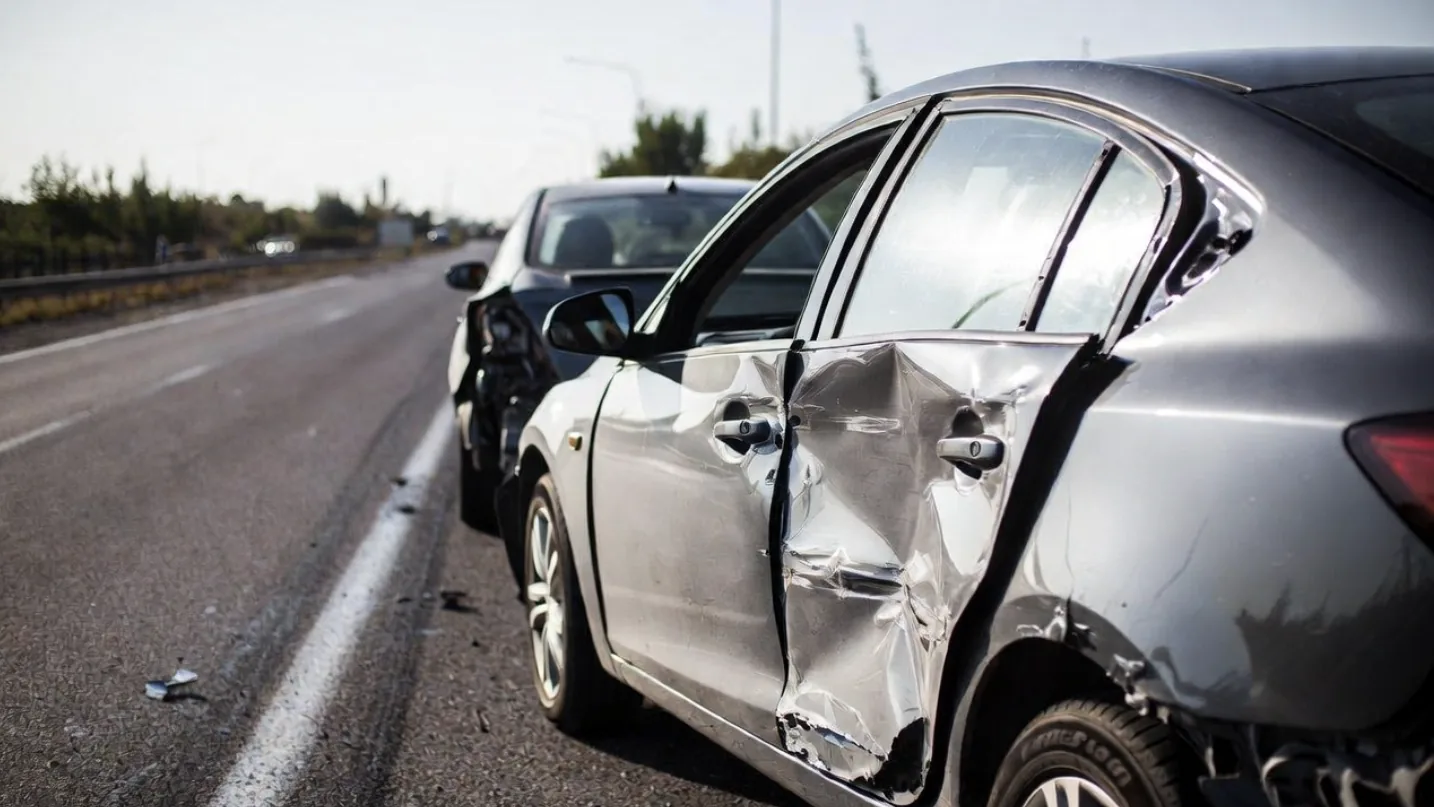
In most sideswipe accidents, the driver who left their lane without making sure it was clear is at fault. On roads with three or more lanes in one direction, Kentucky law requires drivers to stay within a single lane until a move can be made safely, and the physical evidence on both vehicles usually shows who crossed over. Insurance companies and at-fault drivers still dismiss sideswipes as minor fender-benders, which understates both the injuries and the fault question.
Injury Severity in Sideswipe Crashes
The sideways force of a sideswipe can make the struck vehicle spin, leave the road, or hit a barrier, and those secondary impacts are often more severe than the initial contact.
Sideswipe injuries are also frequently delayed. Whiplash, soft tissue damage to the neck and shoulder, and traumatic brain injuries from the lateral jolt may not produce immediate symptoms. People who decline medical care at the scene often discover the full extent of their injuries days or weeks later, by which point the insurance company is already treating the crash as minor.
Sideswipe Crash Types and Fault
The way a sideswipe happens determines where the fault analysis begins.
Lane-Change Sideswipes
Lane-change sideswipes are the most common type. One driver is traveling in their lane when another driver moves over without adequate checking and makes side contact. On a roadway with three or more marked lanes in one direction, KRS 189.340(7) requires a driver to stay as nearly as practical within a single lane and not move from it until the driver ascertains the move can be made with safety. The driver who failed to maintain their lane bears the primary fault.
Merge Sideswipes on Highway On-Ramps
A merging driver enters a highway, misjudges the available space, and makes contact with a vehicle already in the travel lane. The merging vehicle is almost always at fault, because a driver entering traffic from a ramp has to yield to the traffic already there.
Drift Sideswipes
A driver gradually drifts out of their lane because of distraction, fatigue, impairment, or a medical event, and contacts an adjacent vehicle without any intentional lane change. The drifting driver bears fault. When a sudden medical event caused the drift, the analysis shifts to what the driver knew about the condition and which insurance coverage applies.
Opposite-Direction Sideswipes
Two vehicles traveling in opposite directions make side contact, often on a rural two-lane road or near a highway median. These are among the most difficult sideswipes to assign fault in, because both vehicles may have been close to the center line. Tire marks, paint transfer, the location of vehicle damage, and post-crash vehicle positions decide opposite-direction cases.
Forced Merge and Cut-Off Sideswipes
One driver abruptly changes lanes with too little clearance, forcing a second driver to brake sharply or swerve into a sideswipe with a third vehicle. The driver who cut in bears primary fault even without any direct contact with the vehicle that was ultimately struck.
Damage Pattern Analysis
Crash investigators look at exactly which part of each vehicle was struck. A scrape along one vehicle’s driver-side front quarter panel, matched with a contact mark along the other vehicle’s passenger-side door, shows the direction of travel and the point of encroachment. Paint transfer, damage width, and damage length all feed the accident reconstruction, and repairs erase that evidence, so the damage has to be documented before the vehicles go to the body shop.
Evidence of Fault in a Sideswipe Crash
Sideswipes happen fast and often leave little on the road, so a strong fault case combines several types of evidence.
Lane Markings and Road Position
Where the vehicles came to rest and which lane markings were present both establish road position. Rural Kentucky roads may have no lane markings at all, which requires other evidence to establish where each vehicle was. Photographs taken at the scene preserve this information before other traffic obscures it.
Vehicle Damage Patterns
The location and angle of side damage reveal the direction of movement. Contact along the full length of a side panel suggests the vehicles traveled side by side before converging. Contact only at the front corner of one vehicle suggests a cut-across lane change. A qualified accident reconstructionist can read these patterns in detail.
Surveillance and Dashcam Footage
Highway cameras, business security cameras, and dashcams can capture the moments before a sideswipe. Sam Aguiar Injury Lawyers has direct real-time access to six-month rolling archives of DOT and TRIMARC traffic camera footage, explained in how the firm uses the DOT camera database. Private business and dashcam footage is kept on shorter, less predictable schedules and needs a preservation request.
Witness Accounts
Other drivers who saw the lane change or merge often give the clearest testimony about which vehicle left its lane. Highway sideswipes usually have other vehicles nearby, and their drivers’ contact information is easiest to collect at the scene.
Event Data Recorders
Most modern vehicles have event data recorders that log speed, braking inputs, steering angle, and other readings in the seconds before a crash. This data can confirm or contradict each driver’s account. Accessing it requires prompt legal action before the data is overwritten or the vehicle is destroyed.
Insurance Tactics in Sideswipe Cases
Insurance adjusters treat sideswipe crashes as low-severity events by default. The tactics used to minimize these cases include:
- Disputing fault entirely, arguing the contact was unavoidable or that their insured stayed in the lane.
- Downplaying damage by calling scrape marks cosmetic.
- Challenging medical causation, arguing a neck or back injury existed before the crash or came from something else.
- Making quick settlement offers before the injured person has sought medical care or legal advice.
- Arguing comparative fault to assign part of the blame to the injured driver.
Kentucky follows pure comparative fault under KRS 411.182, so a driver found partly at fault can still recover damages reduced by their percentage of fault. A driver assigned 20% of the fault recovers 80% of the damages, which is why the insurer’s percentage argument carries so much weight. Adjuster methods for assigning those percentages are covered in how insurance companies investigate car accident fault.
Is the Insurer Blaming You for the Sideswipe?
Sideswipe crashes invite finger pointing over lane position, and under Kentucky’s pure comparative fault rule every percentage point the insurer shifts to you reduces your recovery. Sam Aguiar Injury Lawyers answers with vehicle damage patterns, witness accounts and access to DOT and TRIMARC traffic camera archives reaching back about six months. Clients have posted more than 1,000 five-star Google reviews. Get a free case review before you accept any fault percentage.
Frequently Asked Questions
1Who is typically at fault in a sideswipe accident?+
2Can both drivers share fault in a sideswipe crash?+
3What evidence is most important in a sideswipe accident case?+
4Can a minor sideswipe crash still cause serious injuries?+
5What if the other driver claims they were the one sideswiped?+
Latest Articles
Kentucky Diminished Value Claims
Kentucky drivers may pursue a repaired vehicle’s leftover market loss from the at-fault driver as part of a.
FMCSA Revoked ELDs: Fleet Compliance and Enforcement Deadlines
FMCSA removed five electronic logging devices from the registered list on August 6, 2026, and set an October.
FMCSA English Proficiency Rule and OOS Enforcement
FMCSA English Proficiency Rule Sam Aguiar Injury Lawyers August 11, 2026 7 minute read On This Page.