

Trucking Lawyers: Essential for Trucking Cases

A truck that strikes a passenger vehicle is governed by a separate body of federal safety rules. The Federal Motor Carrier Safety Administration (FMCSA) sets how that truck was supposed to be operated, how long the driver could remain on duty, and which files the carrier had to keep. Counsel who works those files as a regular caseload can find the violations a general injury docket often never requests.
Federal Trucking Case Rules
A commercial truck accident is a federal-records case. Electronic logging devices, hours-of-service rules, carrier safety ratings, driver qualification files, and maintenance inspection records all have to be requested, read, and used, or the claim is litigated off the police report alone.
Hours of service and the electronic log that records them sit in 49 CFR Part 395. A lawyer handling a second or third truck case is still learning that system while the carrier’s clock is already running. A trucking caseload that has seen the defense file before knows which FMCSA violations to look for and which reconstruction questions the data can answer.
Overlooked Truck Case Records
Trucking litigation has specific demands that produce different outcomes when those demands are not met at the start. A general personal injury docket can still file the claim. The gap is the commercial file: the logs, the black box, the qualification folder, and the safety history that never appear in a typical car-accident request list.
Missed hours-of-service violations, unread maintenance records, and an untouched carrier safety history are how fault gets left on the table. The FMCSR truck accident evidence page and the overview of trucking regulations collect the federal standards those records are measured against.
FMCSA Standards as Evidence
FMCSA regulations create legal standards that carriers and drivers must meet. When they fail to meet those standards, those failures are evidence of negligence, and in some cases grounds for punitive damages.
An attorney who knows the regulations can identify violations in driver logs, maintenance records, and carrier safety histories. Without that reading, those violations go unused. The black-box download that shows speed and braking is covered separately in black box analysis following truck accidents.
Carrier Rapid Response Teams
Large commercial carriers keep relationships with law firms, accident reconstruction companies, and claims adjusters who are deployed within hours of a serious accident. Their goal is to reach the scene first, document the evidence from the carrier’s perspective, and start building a defense narrative before the injured person has retained counsel.
That head start is the tactic. Matching it, by getting the same scene, the same truck, and the same data before the story hardens, is a basic reason trucking-focused representation is retained on these claims.
Time-Sensitive Truck Records
The records that decide a trucking accident case are easy to lose. Most of them must be preserved right after the accident or they disappear.
Truck Records That Do Not Keep Themselves
Commercial files that have to be demanded before they are overwritten
ELD data showing driver hours under 49 CFR Part 395.
ECM data with speed and braking information.
Dashcam footage from the truck.
Driver qualification files, maintenance and inspection records, the carrier’s FMCSA safety record, and cargo documentation.
Ready to Take Action on Your Injury Claim?
After a serious injury, medical bills pile up while the insurance company looks for ways to pay you less. Most law firms take their cut first and leave you with whatever is left. Sam Aguiar Injury Lawyers does things differently. With our exclusive Bigger Share Guarantee®, you always get more. Every client gets a dedicated three-person team: an attorney, a case manager, and a legal assistant. We never raise our fee rate if we have to go to court, and you pay $0 Out-Of-Pocket Forever.
Frequently Asked Questions
1Why retain trucking counsel instead of a general injury lawyer for a truck accident?+
2How does FMCSA knowledge affect a truck accident case?+
3What is a trucking company’s rapid response team?+
4What evidence is most important in a trucking accident case?+
5What federal records show how a truck was supposed to be operated?+
Latest Articles
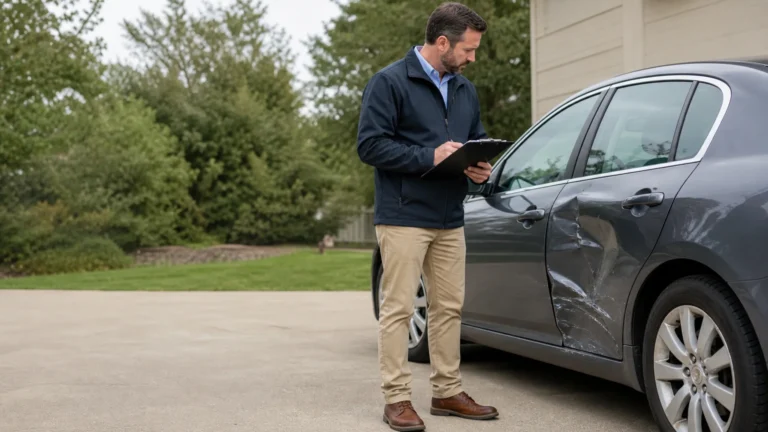
Kentucky Diminished Value Claims
Kentucky drivers may pursue a repaired vehicle’s leftover market loss from the at-fault driver as part of a.
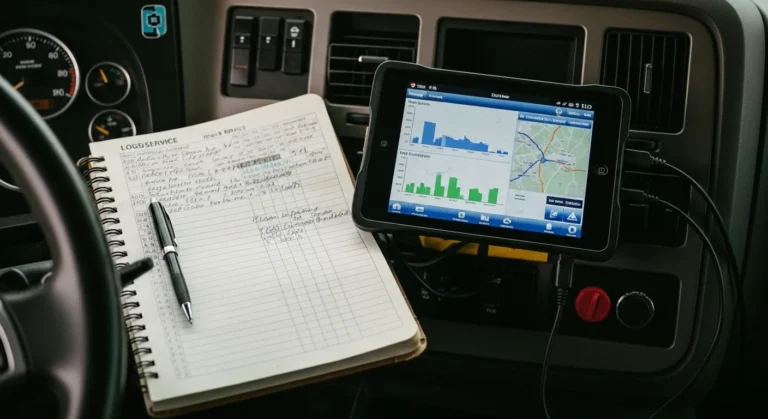
FMCSA Revoked ELDs: Fleet Compliance and Enforcement Deadlines
FMCSA removed five electronic logging devices from the registered list on August 6, 2026, and set an October.
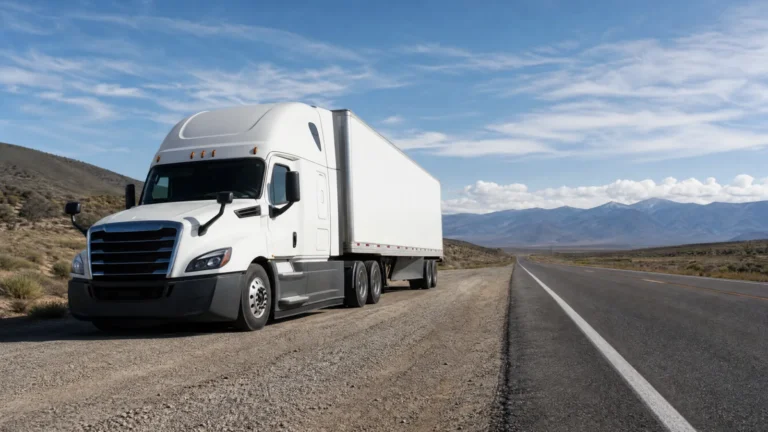
FMCSA English Proficiency Rule and OOS Enforcement
FMCSA English Proficiency Rule Sam Aguiar Injury Lawyers August 11, 2026 7 minute read On This Page.