

UPS Delivery Accidents
UPS Delivery Accidents
 ★★★★★
Over 1,000 Five-Star Reviews
•
Available 24/7. $0 Out-Of-Pocket Forever.
★★★★★
Over 1,000 Five-Star Reviews
•
Available 24/7. $0 Out-Of-Pocket Forever.
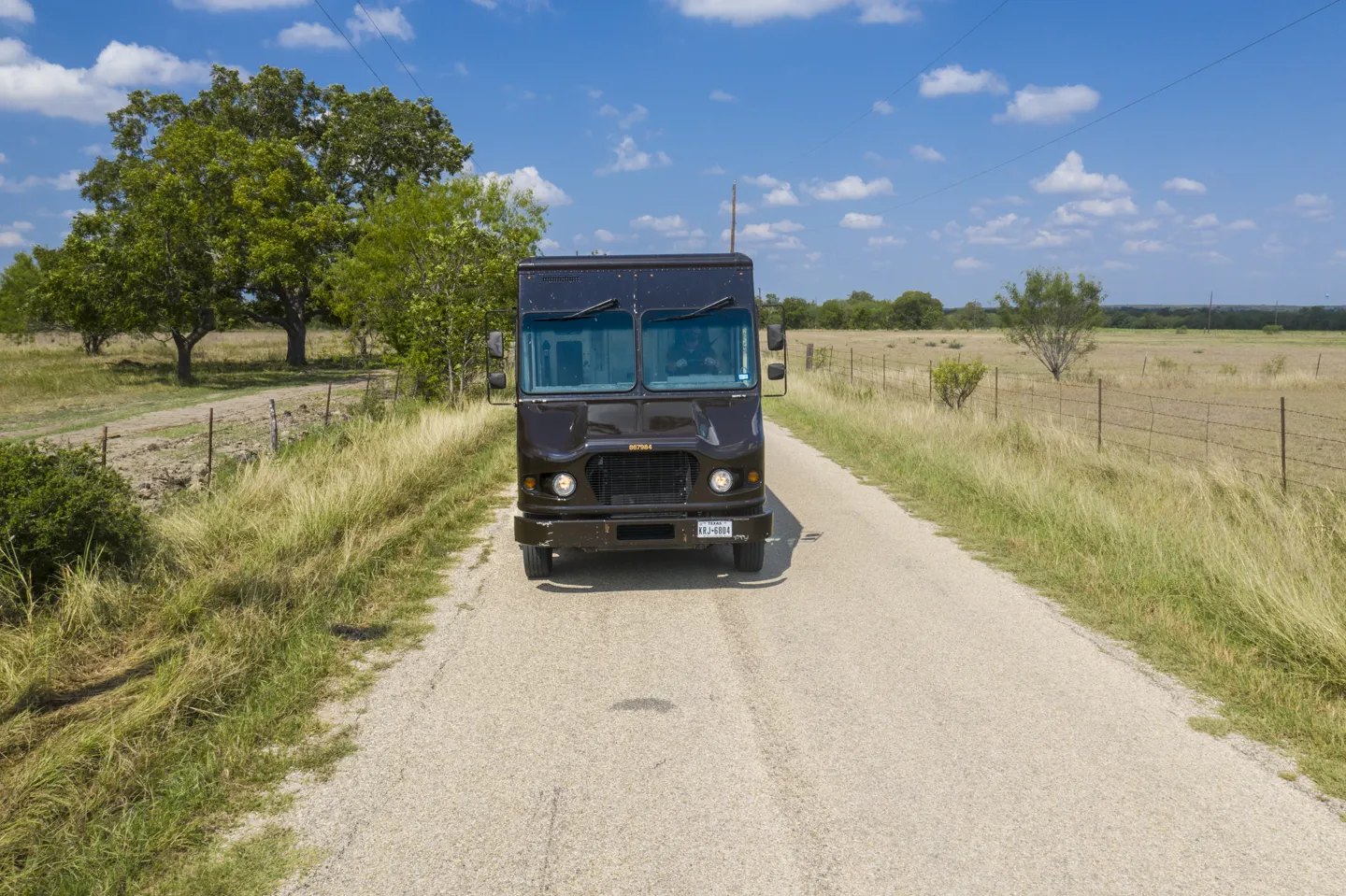
UPS Accident Cases Begin With Corporate Evidence
A collision with a UPS package car is different from an ordinary two-car accident. UPS controls the route, the delivery schedule, the vehicle, the driver’s work assignment, and many of the electronic records that can explain the collision. The company also has a cases operation built to respond as soon as an accident is reported.
Those differences change the investigation. A strong case examines the driver’s conduct and the corporate systems around the driver. It also identifies the records that exist, who controls them, and how quickly they may be replaced or overwritten in the normal course of business.
Questions A Strong UPS Investigation Should Answer
The first investigation should be specific to the route, vehicle, driver, and collision. Generic requests can miss the records that distinguish a UPS case from an ordinary automobile case.
- Was the UPS driver working an assigned route when the collision occurred?
- Was the driver rushing, distracted, fatigued, improperly trained, or violating a safety rule?
- Did the package car have a mechanical or maintenance problem?
- Did the route, package volume, delivery load, or schedule create unsafe pressure?
- Did UPS preserve the available video, telematics, route, and vehicle records?
- Did the driver fail to yield, back without a clear path, speed, run a light, or make an unsafe turn?
- Did UPS or its cases team attempt to place responsibility on the injured person before the evidence was collected?
UPS Drivers Are Company Employees
Many UPS drivers are UPS employees working assigned routes under a collective bargaining agreement with the International Brotherhood of Teamsters. UPS announced that its national agreement covered more than 300,000 full-time and part-time employees in the United States when the agreement was ratified in 2023. The employment relationship is a major distinction between a UPS package-car case and a case involving a driver who is treated as an independent contractor. The details are available in the company’s UPS Teamsters agreement announcement.
Kentucky recognizes vicarious liability when an employee commits a tort within the scope of employment. In Papa John’s International v. McCoy, the Kentucky Supreme Court described work assigned by the employer and conduct subject to the employer’s control as central scope-of-employment considerations. A UPS driver delivering packages on an assigned route will usually present a direct employment relationship that must be examined under that rule.
That analysis starts with the driver’s route, work schedule, dispatch communications, time records, and purpose at the moment of impact. A personal detour or conduct unrelated to the employer’s business can raise a different issue, but normal delivery activity usually points toward work performed for UPS.
Direct Corporate Negligence Can Expand The Case
Vicarious liability is not the only potential case. Depending on the facts, UPS may also face direct cases involving hiring, driver qualification, training, supervision, retention, vehicle assignment, maintenance, or safety management. Those cases focus on corporate conduct rather than simply transferring the driver’s negligence to the employer.
Federal driver-qualification rules in 49 CFR Part 391 address qualifications, applications, driving records, road tests, medical qualifications, and driver files for covered commercial motor-vehicle operations. Whether a particular UPS vehicle and route fall within each rule requires a vehicle-specific and operation-specific review. When the rules apply, the driver qualification file can show what UPS knew about the driver and what checks were completed.
A prior record of preventable collisions, traffic violations, failed evaluations, or internal safety violations can matter when it was known to the company and connected to the risk that caused the collision. Training materials and supervisor records can also show whether the driver received instruction on backing, mirror checks, intersections, turns, parking, and pedestrian safety.
Electronic Vehicle Data Can Explain The Collision
UPS package cars may carry several systems that record or display information relevant to a collision. Depending on the vehicle, an engine control module or event data system may record speed, braking, throttle, engine status, or related vehicle activity. A forward-facing camera may record the roadway, traffic signal, pedestrian movement, and the seconds before impact. The exact capabilities and retention period depend on the equipment installed in that vehicle.
The investigation should identify the package car by unit number and vehicle identification number, then request the make, model, software, data dictionary, download procedure, and retention policy for each system. The raw file should be preserved with any report produced from it. Screenshots or summaries alone can omit timing details and metadata needed to interpret the event accurately.
Maintenance records are equally important. Inspection reports, repair orders, brake work, tire records, warning-light history, and out-of-service decisions can show whether a mechanical condition developed before the crash. Vehicle condition can also affect how electronic data should be interpreted.
ORION And Telematics Reconstruct The Workday
UPS has publicly described its ORION route-optimization technology as a system that recalculates routes throughout a driver’s day. UPS said the enhanced system accounts for changing conditions and can update a driver’s route while deliveries are underway. That company description appears in its ORION route optimization announcement.
Route and telematics records may show driver location, stop sequence, stop duration, departure time, route deviations, backing events, hard braking, or other recorded activity. The available fields must be confirmed for the driver, vehicle, and date involved. When combined with the delivery manifest, those records can establish where the driver had been, how long stops took, and whether the driver was behind the planned sequence.
Dispatch messages and supervisor communications can add context. A route that changed during the shift, a late vehicle departure, an unusually large package load, or instructions to recover time can be relevant when evaluating the driver’s decisions. The point is to reconstruct the actual workday instead of relying on a generalized description of UPS operations.

Hours And Fatigue Records Need A Careful Review
Hours-of-service requirements in 49 CFR Part 395 regulate driving time, on-duty time, rest, and supporting records for covered commercial motor-vehicle operations.
Not every local delivery vehicle is governed by every federal hours rule, so the analysis must begin with the vehicle, route, weight, cargo, and operation.
Even when a particular federal logging rule does not govern the route, UPS time records can still show the length and structure of the workday.
Clock-in records, route start time, stop history, meal periods, return-to-building time, prior shifts, and dispatch communications can show whether fatigue deserves closer examination.
The Federal Motor Carrier Safety Administration warns that drowsiness can impair safe driving and identifies heavy eyes, frequent yawning, and blurred vision as warning signs.
Its commercial-driver fatigue guidance also explains that adequate sleep is the primary protection against drowsy driving.
A fatigue case needs records and testimony tied to the specific driver, not an assumption based only on the time of day.
Delivery Manifests Show Route Demands
A delivery manifest can identify the number and type of stops, package volume, pickups, time-sensitive deliveries, and planned sequence for the shift. The manifest becomes more useful when compared with the actual ORION sequence, GPS history, scan times, and dispatch communications.
Peak-season volume can change the pace and complexity of a route. Higher package counts may mean more stops, more backing, more entries into unfamiliar properties, and more interactions with pedestrians, cyclists, and parked vehicles. The case still requires evidence connecting those conditions to the collision. A demanding route by itself does not establish negligence, but it can explain why time records, training, and supervision deserve a close look.
Package scans can also anchor the timeline. A delivery scan shortly before impact may place the driver at a specific address. A pickup or signature record may identify a witness. These business records can be compared with surveillance video, traffic-camera footage, police records, and mobile-device data.
Backing Collisions Require A Full Blind-Zone Analysis
Backing is a frequent delivery maneuver because package cars enter driveways, loading areas, parking spaces, and narrow residential streets throughout a route. The driver’s mirrors, cameras, seating position, vehicle geometry, and line of sight determine what could be seen from the cab.
A backing investigation should document the starting position, path, speed, warning devices, mirror adjustment, camera function, lighting, property layout, and location of every person or vehicle. It should also determine whether company policy required the driver to avoid backing, use a particular setup, sound a warning, exit and inspect the path, or use another safety procedure.
FMCSA safety materials emphasize mirror use, visual search, and collision-avoidance training as core commercial-driving practices. The agency’s commercial motor-vehicle safety practices report identifies visual search, mirror use, basic control, and collision avoidance as important training subjects. UPS’s own policies and driver training should be requested and evaluated against the maneuver shown by the evidence.
Urban Stops Can Create Visibility Hazards
Delivery vehicles regularly stop near travel lanes, bike lanes, loading zones, intersections, and curbside parking. A package car can block a driver’s or cyclist’s view of cross traffic, a pedestrian, a signal, or an opening door. The legal analysis depends on the parking location, available alternatives, warning lights, local restrictions, and how the collision occurred.
Pulling away from the curb creates a separate risk. The driver must account for passing traffic, cyclists, pedestrians, and vehicles approaching from behind. Turn-signal timing, mirror checks, camera views, telematics, and nearby video may show whether the driver confirmed a clear path before moving.
Wide turns and intersection entries deserve the same level of detail. Vehicle dimensions, wheel path, lane position, signal phase, speed, sight distance, and the driver’s training can all affect the reconstruction. A broad statement that the truck “turned too wide” is less useful than measurements and synchronized evidence.
UPS Is A Large Corporate Defendant
UPS reports operating at global scale. Its company profile describes a worldwide workforce, a large small-package network, and average daily package volume measured in the tens of millions. Current company statistics and financial information are available through the UPS company profile.
That scale affects the case process. A serious collision can involve a driver supervisor, safety personnel, vehicle personnel, claims professionals, outside investigators, and defense counsel. Different departments may control different records. Preservation requests should therefore identify the categories of evidence and the people or systems likely to possess them.
The company’s size should not replace case-specific analysis. The question remains what happened on the route at issue, what UPS knew, what its driver did, what the vehicle recorded, and what losses the collision caused.
Self-Insurance Changes The Claims Process
Large corporations often retain part of their own case risk and buy insurance above that retention.
UPS’s public filings discuss self-insurance accruals for automobile liability, workers’ compensation, and other cases.
The company’s filings can be reviewed through its SEC filing library.
In practice, the first contact may come from a claims professional working within or for the UPS claims structure rather than a neighborhood insurance agent.
That person may request a recorded statement, medical authorization, vehicle photographs, or a broad description of injuries before the full medical course is known.
An early offer can be evaluated only after the known losses and reasonably anticipated future losses are understood.
Surgery recommendations, long-term therapy, work restrictions, permanent limitations, and future earning effects may not be clear in the first days or weeks.
A signed release generally ends the case covered by the release, so its language and scope need careful review before acceptance.
Economic Damages Document Financial Loss
Economic damages include measurable losses caused by the collision. Medical charges may include ambulance care, emergency treatment, hospitalization, surgery, diagnostic imaging, medication, therapy, pain management, specialist care, assistive devices, and home services. Future care can be evaluated through treating-provider opinions, medical records, and qualified testimony.
Income loss requires its own file. Wage records, tax documents, attendance records, job descriptions, employer testimony, and medical restrictions can establish time missed from work. When an injury permanently reduces earning capacity, vocational and economic analysis may be needed to calculate the effect over the person’s working life.
Property damage, transportation costs, household services, and other documented expenses may also be part of the case. Each category should connect to records rather than an estimate made without support.
Non-Economic Damages Address Personal Harm
Medical bills do not capture the full effect of a serious injury. Physical pain, limitations, sleep disruption, emotional distress, loss of independence, and the inability to take part in family, work, and recreational activities are separate parts of the harm.
These losses are documented through medical records and the ordinary details of daily life. Family members, friends, coworkers, photographs, calendars, and activity records may show how the injury changed routines and relationships. The strongest presentation is specific and grounded in the person’s actual experience.
Common Injuries After A UPS Collision
A UPS package car is heavier and taller than a passenger vehicle, and the impact can cause substantial trauma. Injuries may include fractures, shoulder and knee injuries, spinal injuries, internal injuries, lacerations, and traumatic brain injuries. Pedestrians and cyclists can face direct contact with the vehicle and a second impact with the road or another object.
Injury severity is not always obvious at the scene. Symptoms can develop as swelling increases or as the person attempts to resume normal activity. The medical record should connect symptoms, testing, treatment, restrictions, and recovery over time without exaggerating or minimizing the course.
Related Delivery Vehicle Cases
UPS cases share some issues with other commercial-delivery cases, but employment structure, vehicle ownership, data systems, and insurance arrangements can differ. Read more about delivery vehicle accidents, FedEx delivery accidents, USPS delivery accidents, and delivery driver pressure and fatigue.
Key Takeaways
Injured in a Crash With a UPS Truck?
UPS keeps detailed telematics, route, and driver records, and a company this size has its own adjusters working the crash. Sam Aguiar Injury Lawyers answers with a dedicated three-person case team led by an attorney, and the fee never goes up if your case goes to court. Sam Aguiar has been named a Forbes Best-In-State personal injury lawyer. Call today for a free case review.
Frequently Asked Questions
1Is UPS responsible when its driver causes a collision?+
UPS may be vicariously liable when an employee commits negligence within the scope of employment. Kentucky’s scope-of-employment analysis focuses on assigned work, employer control, and whether the conduct served the employer’s business, as discussed in Papa John’s International v. McCoy.
2What records should be preserved after a UPS accident?+
The request may include camera footage, event or engine data, ORION and telematics records, package scans, delivery manifests, dispatch messages, time records, driver qualification materials, training records, inspection reports, and maintenance files. The list should be tailored to the vehicle, route, driver, and collision.
3Can ORION data show route pressure?+
ORION and related route records may show the planned sequence, actual stop history, route changes, and timing. UPS has described ORION as a system that recalculates routes throughout the day in its public ORION announcement. The available data must be confirmed for the specific route.
4Do federal commercial-driver rules always apply to UPS routes?+
No single rule applies to every UPS vehicle and route. Vehicle weight, cargo, route type, and operation affect coverage. Driver qualification requirements appear in 49 CFR Part 391, while hours and supporting-record requirements appear in 49 CFR Part 395.
5What if the UPS truck was backing?+
A backing investigation should document the vehicle’s blind zones, mirrors, cameras, warning devices, path, speed, lighting, property layout, and company procedures. Nearby video and electronic vehicle data may help establish the movement and timing.
6Should an early UPS settlement offer be reviewed carefully?+
Future treatment, work restrictions, permanent limitations, and earning effects may not be known early. A release can close the cases covered by its language, so the medical course, financial losses, and release terms should be understood before the offer is accepted.