

Rideshare Accident Lawyers
INJURED IN AN UBER OR LYFT?
 ★★★★★
Over 1,000 Five-Star Reviews
•
Available 24/7. $0 Out-Of-Pocket Forever.
★★★★★
Over 1,000 Five-Star Reviews
•
Available 24/7. $0 Out-Of-Pocket Forever.
Kentucky Rideshare Accident Cases
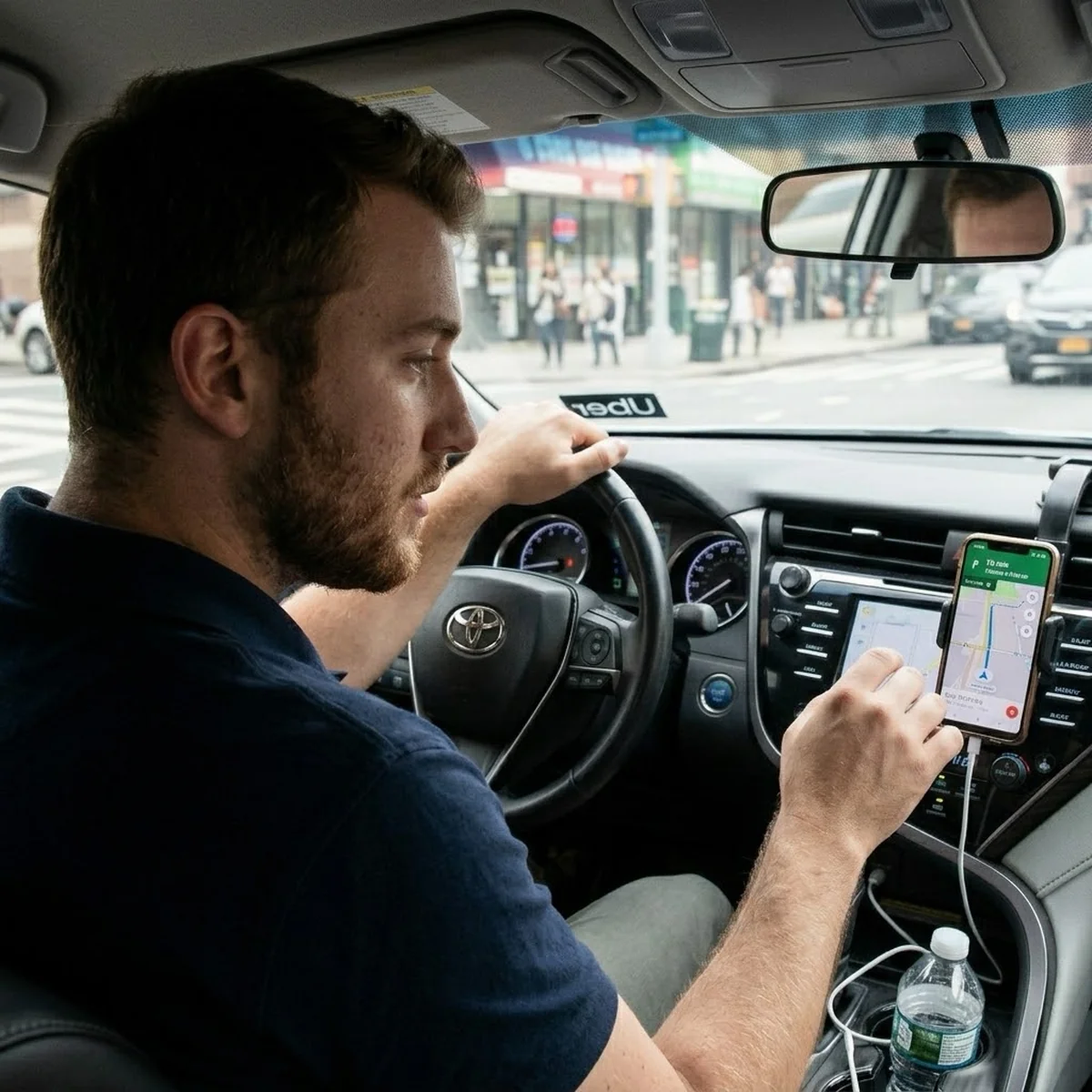
A rideshare accident can involve an Uber or Lyft driver, a second driver, and two or more insurers. Kentucky ties the insurance that responds to what the driver’s app was doing at that moment, so the first question is the driver’s app status, and the answer sits in records held by the rideshare company.
Kentucky treats Uber, Lyft, and similar platforms as transportation network companies. Under 601 KAR 1:113 Section 3(1), a transportation network company must maintain primary automobile insurance for a driver who is logged on to its mobile application or engaged in a prearranged ride, and KRS 281.655 sets the minimum liability amounts for each state. The next section shows how those two sources divide the coverage.
Coverage by App Status
Kentucky sets rideshare insurance by what the driver’s app was doing, and each state of the app points to a different policy.
- 1
App Off
Section 3 of the regulation sets insurance requirements for two states, a driver who is logged on to the application or engaged in a prearranged ride. A driver who is not logged on falls outside both, so the driver’s personal automobile policy is the policy to read.
- 2
Logged On, No Ride Accepted
- 3
Prearranged Ride
KRS 281.655(12) sets the prearranged ride minimum at the amounts for motor vehicles that transport persons, and subsection (4) lists $100,000 for one person, $300,000 for one accident, and $50,000 for property damage for a vehicle with seven regular seats. Those are minimums, so the policy itself shows the limits in force for a given trip.
- 4
Lapsed Driver Coverage
If the driver’s insurance has lapsed or does not provide the required coverage, the company must provide the required insurance beginning with the first dollar and has a duty to defend. Section 3(7) adds that the company’s coverage does not depend on a personal insurer denying coverage first.
- 5
Personal Policy Exclusions
A Kentucky automobile insurer may exclude liability, personal injury protection, uninsured and underinsured motorist, medical payments, and physical damage coverage while its driver is logged on or providing a prearranged ride, and a personal insurer is not required to cover that use. The exclusion language in the driver’s own policy decides how much of it applies.
App Status Records
The regulation builds an exchange of app-status information into every coverage dispute. A driver must disclose to interested parties, automobile insurers, the Department of Vehicle Regulation, and investigating police officers whether he or she was logged on to the application or on a prearranged ride at the time of an accident. In a coverage investigation, the company and an insurer that may owe coverage must cooperate in exchanging information, and that information includes the precise times the driver logged on and off the application in the twelve hours before and after the incident, along with a complete description of the coverage, its exclusions, and its limits.
The company also keeps files the regulation requires. Vehicle inspection records and VIN and license plate numbers are kept for at least three years, and a driver’s file includes records of complaints against the driver and records of rides the driver refused. These records show who was driving, in which vehicle, and in what status.
Kentucky Rideshare Rules
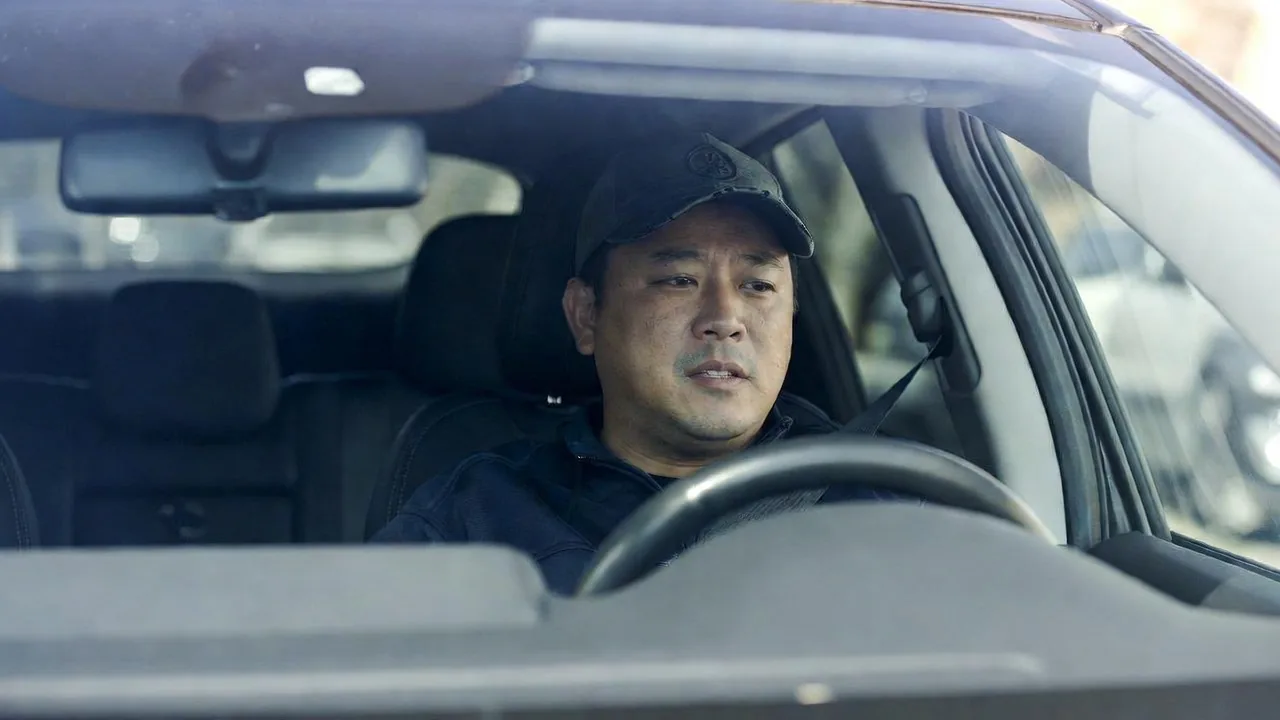
Two statutory minimums and two regulation provisions carry most of the weight in a rideshare coverage dispute. They read:
KRS 281.655(12) The minimum amount of insurance for pre-trip acceptance liability policies shall be fifty thousand dollars ($50,000) for death and personal injury to one (1) person, one hundred thousand dollars ($100,000) for death and personal injury resulting from one (1) incident, and twenty-five thousand dollars ($25,000) for property damage.
KRS 281.655(12) The minimum amount of insurance for prearranged ride liability policies shall be the same as for motor vehicles for the transportation of persons under subsection (4) of this section.
601 KAR 1:113 Section 3(6) If the insurance maintained by a TNC driver has lapsed or does not provide the required coverage, the TNC shall provide the required insurance coverage beginning with the first dollar of a claim. The TNC shall have the duty to defend a claim for damages.
601 KAR 1:113 Section 3(10) A TNC driver shall disclose directly to interested parties, automobile insurers, the department, and investigating police officers, whether or not he or she was logged on to the TNC’s mobile application or on a prearranged ride at the time of an accident.
Neither source sets a total available recovery. The policy language and the facts decide which limits apply to a specific case.
Injured People and Responsible Parties
A passenger, the driver of another car, a pedestrian, and a cyclist can each be hurt in the same accident, and each reaches a different policy. A passenger in the rideshare vehicle looks to the rideshare coverage for the trip and to the other driver’s policy when that driver caused the accident. A person outside the rideshare vehicle looks first to the rideshare driver’s liability coverage, which the app status controls. Every driver owes those road users duties: a driver must yield to a pedestrian crossing a road where traffic signals are not in place or not working, and a bicycle on the road is treated much like other traffic.
The regulation lists uninsured and underinsured vehicle coverage as part of the required insurance in both app states, and a passenger’s own household policy may add more. KRS 304.20-020 requires an insurer to provide uninsured motorist coverage in a policy unless a named insured rejects it in writing, and KRS 304.39-320 requires an insurer to make underinsured motorist coverage available to its insureds on request. Uninsured motorist coverage applies when the at-fault driver carries no liability insurance at all, while underinsured motorist coverage applies when the at-fault driver has insurance but the policy limits are too low to cover the full extent of the injury.
Delivery Platform Drivers
Food and package delivery apps fall under a separate statute. KRS 365.532 sets delivery network coverage at not less than $50,000 for one person, $100,000 for one accident, and $25,000 for property damage, or the amount required under KRS 304.39-110, whichever is greater, during the delivery available period and the delivery service period. The statute also provides that the company’s coverage begins at the first dollar when the driver’s own insurance has lapsed, and that the company has a duty to defend. Delivery driver coverage can shift among personal, platform, and commercial policies based on the driver’s app status at the moment of the accident.
Losses Documented in a Rideshare Case
A rideshare case may seek payment for medical expenses, lost income, reduced earning capacity, pain, and property damage, as Kentucky law allows. Which insurer pays each item depends on the app status and the policy tier, so the medical file, the wage records, and the app records are built side by side. A passenger and a person in another vehicle can carry the same injuries and still reach different policies.
Key Takeaways
Injured in a Rideshare Accident in Kentucky?
Rideshare coverage changes with the driver’s app status, so the trip records and timestamps decide which policy pays the case. Sam Aguiar Injury Lawyers requests those app records and pairs them with DOT and TRIMARC traffic camera archives that reach back about six months. Most cases qualify in under 10 minutes. Call today for a free case review.
Frequently Asked Questions
1What insurance covers an injured person in a Kentucky rideshare accident?+
It depends on the driver’s app status. KRS 281.655(12) sets minimums of $50,000 for one person, $100,000 for one incident, and $25,000 for property damage while the driver is logged on without a ride, and the same subsection sets the prearranged ride minimum at the amounts for motor vehicles that transport persons. A driver who is not logged on is outside both states, so the personal automobile policy applies.
2Can a pedestrian, cyclist, or other driver recover from a rideshare driver’s insurance?+
Yes, when the rideshare driver caused the injury. The company must maintain primary automobile insurance for a driver who is logged on or engaged in a prearranged ride, and the app status at the time of the accident shows which coverage state applied.
3Why does the app status decide which policy applies?+
Section 3 of 601 KAR 1:113 sets separate insurance requirements for a driver who is logged on and available for requests and for a driver engaged in a prearranged ride. A driver who is not logged on falls outside both.
4Who has the app records in a Kentucky rideshare case?+
5What happens when the rideshare driver’s own insurance has lapsed?+
The company must provide the required coverage beginning with the first dollar and has a duty to defend. Section 3(7) adds that the company’s coverage does not depend on a personal insurer denying coverage first.
6Can a personal auto insurer refuse to cover a driver who was logged on to the app?+
A Kentucky automobile insurer may exclude liability, personal injury protection, uninsured and underinsured motorist, medical payments, and physical damage coverage while its driver is logged on or providing a prearranged ride. The exclusion language in the policy decides whether the insurer did so.
7Who pays when an Amazon Flex or food delivery driver causes an accident in Kentucky?+
KRS 365.532 requires delivery network coverage of at least $50,000 for one person, $100,000 for one accident, and $25,000 for property damage, or the amount required under KRS 304.39-110, whichever is greater. When the driver’s own insurance has lapsed, the company’s coverage begins at the first dollar.