Car Accident Lawyers

Kentucky Car Accident Lawyers

Suv rear-ending a silver sedan on a tree-lined kentucky road

Free Case Review

Key Takeaways

  • Kentucky’s no-fault coverage (PIP) pays medical bills and part of lost income first, whichever driver caused the accident.
  • Outside video can disappear within days, so preservation notices to insurance companies and nearby businesses should go out early.
  • Underinsured motorist coverage on your own policy can apply once the at-fault driver’s limits run out.

Kentucky Car Accident Cases

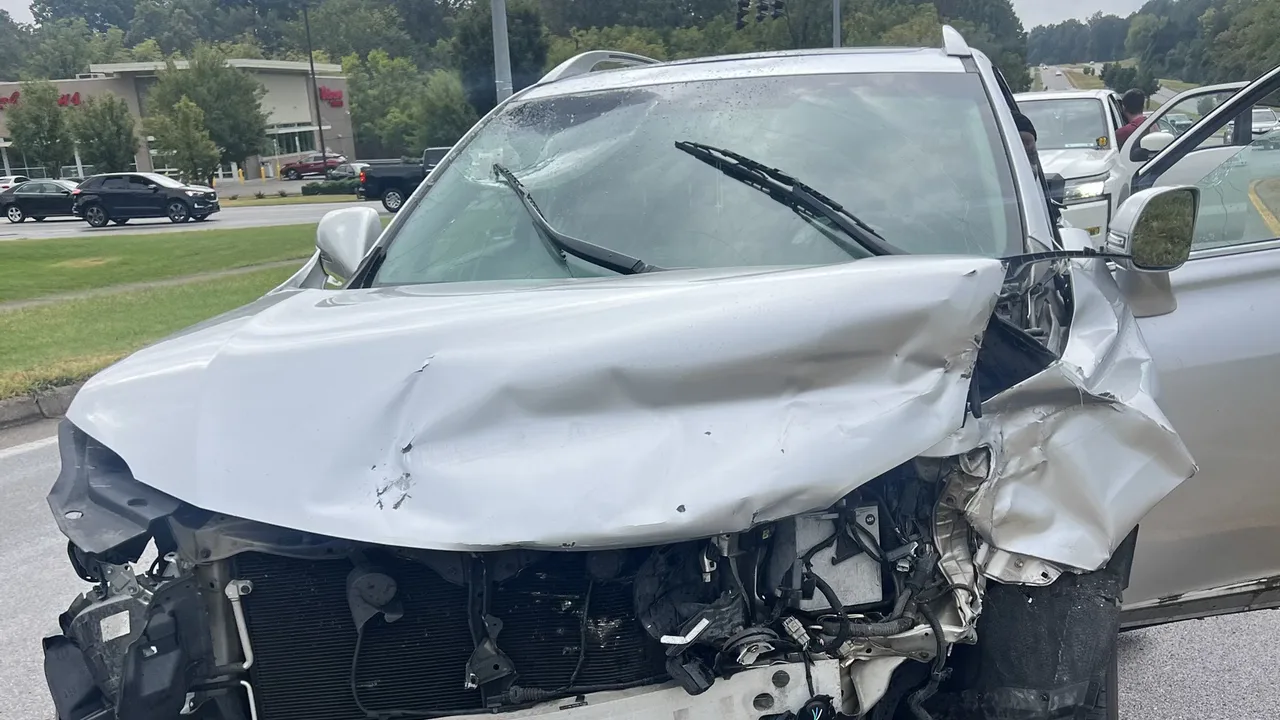
A car accident can bring pain, a car that cannot be driven, missed work, medical bills, and calls from more than one insurance company before anyone has sorted out which policy applies. The value of the case rests on every available coverage source, evidence secured before it disappears, and the medical and work-loss record.

Steps to Take After a Kentucky Car Accident

Get medical care for any injury first. Keep photos, insurance information, the police report, repair records, and notes about symptoms or missed work in one place. Attend every medical appointment, save work notes and receipts, and write down the everyday activities your injuries make harder.

Sam Aguiar Injury Lawyers reviews Kentucky car accident cases at no charge.

Coverage Sources

Liability coverage pays for injuries and damage caused by the at-fault driver. Kentucky requires at least $25,000 for one person’s injuries, $50,000 for all injuries in one accident, and $25,000 for property damage, or a single limit of $60,000, under KRS 304.39-110.

Excess coverage can apply when someone drives a car they do not own. Uninsured motorist coverage on your own policy steps in when the at-fault driver carries no insurance. Underinsured motorist coverage applies once those limits run out. Kentucky also allows stacking uninsured and underinsured coverage across vehicles on the same policy. Medical payments coverage and health insurance can also share the medical bills. Cyclists struck by a car use a different PIP path; see Kentucky bicycle accident lawyers.

Personal Injury Protection (PIP)

Kentucky’s no-fault coverage pays basic reparation benefits, and KRS 304.39-110(1)(c) includes those benefits in the security required for cars. Under KRS 304.39-060(2)(a), the at-fault driver’s liability is reduced by the amount of basic reparation benefits payable.

  • A driver in an insured car has PIP as part of required car coverage under KRS 304.39-110(1)(c).
  • A passenger in that car ordinarily claims through the car’s PIP coverage first, subject to the policy and statute.

Kentucky is a choice no-fault state, so the policy election changes how the injury case proceeds.

Common Car Accident Types

Rear-end accidents, intersection accidents, and lane-change sideswipes make up a large share of Kentucky car accident cases. Each type raises its own evidence questions. A rear-end accident case often turns on injury causation. An intersection accident turns on light sequences, speed, and sight lines. A lane-change accident turns on vehicle damage patterns and witness memory.

Related pages cover sideswipe fault, wrong-way driver crashes, Kentucky accident lawyers, Kentucky car accident representation, and cash offers at the scene.

Sam Aguiar Injury Lawyers also handles accidents involving rideshare drivers, delivery vans, borrowed cars, passengers, and hit-and-run drivers. Each of those scenarios changes which policies apply.

Man seated on a couch holding his neck in pain

Injuries From a Car Accident

Car accidents can injure the head, neck, back, chest, shoulders, arms, hips, knees, and legs. Some symptoms start at the scene, and others become clearer over the next few days.

Neck and low-back injuries make up a large share of car accident injury cases, with stiffness that often shows up a day or two after the impact. Range of motion, work limits, sleep disruption, and treating-provider notes separate a documented injury from a dismissed one. A meniscus tear is one example of a knee injury an ER X-ray will not show.

Kentucky Unfair Claims Settlement Practices Act

Insurance companies in Kentucky must handle claims under KRS 304.12-230, which lists 17 prohibited claims-handling acts.

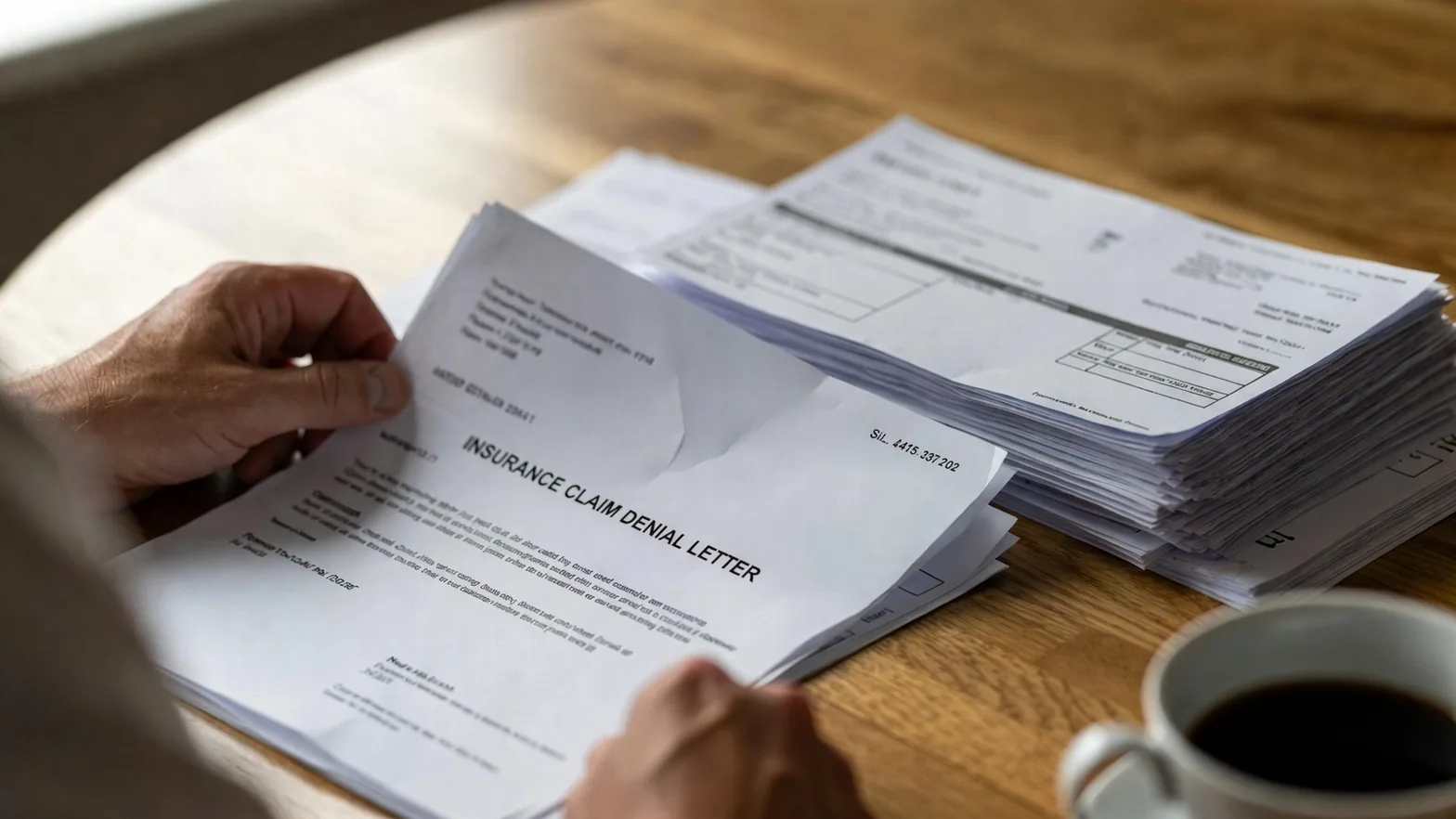
Misrepresenting coverage is one of those acts. Failing to investigate before denying a claim is another. When an adjuster’s conduct crosses these lines, the statute becomes part of the leverage in the underlying car accident case.

  1. 1

    Misrepresenting pertinent facts or insurance policy provisions relating to coverages at issue;

  2. 2

    Failing to acknowledge and act reasonably promptly upon communications with respect to claims arising under insurance policies;

  3. 3

    Failing to adopt and implement reasonable standards for the prompt investigation of claims arising under insurance policies;

  4. 4

    Refusing to pay claims without conducting a reasonable investigation based upon all available information;

  5. 5

    Failing to affirm or deny coverage of claims within a reasonable time after proof of loss statements have been completed;

  6. 6

    Not attempting in good faith to effectuate prompt, fair and equitable settlements of claims in which liability has become reasonably clear;

  7. 7

    Compelling insureds to institute litigation to recover amounts due under an insurance policy by offering substantially less than the amounts ultimately recovered in actions brought by such insureds;

  8. 8

    Attempting to settle a claim for less than the amount to which a reasonable man would have believed he was entitled by reference to written or printed advertising material accompanying or made part of an application;

  9. 9

    Attempting to settle claims on the basis of an application which was altered without notice to, or knowledge or consent of the insured;

  10. 10

    Making claims payments to insureds or beneficiaries not accompanied by statement setting forth the coverage under which the payments are being made;

  11. 11

    Making known to insureds or claimants a policy of appealing from arbitration awards in favor of insureds or claimants for the purpose of compelling them to accept settlements or compromises less than the amount awarded in arbitration;

  12. 12

    Delaying the investigation or payment of claims by requiring an insured, claimant, or the physician of either to submit a preliminary claim report and then requiring the subsequent submission of formal proof of loss forms, both of which submissions contain substantially the same information;

  13. 13

    Failing to promptly settle claims, where liability has become reasonably clear, under one (1) portion of the insurance policy coverage in order to influence settlements under other portions of the insurance policy coverage;

  14. 14

    Failing to promptly provide a reasonable explanation of the basis in the insurance policy in relation to the facts or applicable law for denial of a claim or for the offer of a compromise settlement;

  15. 15

    Failing to comply with the decision of an independent review entity to provide coverage for a covered person as a result of an external review in accordance with KRS 304.17A-621, 304.17A-623, and 304.17A-625;

  16. 16

    Knowingly and willfully failing to comply with the provisions of KRS 304.17A-714 when collecting claim overpayments from providers; or

  17. 17

    Knowingly and willfully failing to comply with the provisions of KRS 304.17A-708 on resolution of payment errors and retroactive denial of claims.

Accident Evidence

A police report identifies the scene and the people involved. Photos, vehicle damage, witness accounts, electronic data, and medical records each answer a separate question: how the accident happened, which injuries were diagnosed, what income was lost, and which insurance coverage applies.

Much of the outside video disappears within days, so preservation notices to insurance companies and nearby businesses should go out early. When the vehicle supports it, an event data recorder download can fix speed and braking in the moment before impact.

Recoverable Losses

A Kentucky car accident case seeks four categories of loss: past and future medical treatment, lost income and reduced earning capacity, property damage and loss of use, and the pain and disability the injury causes in daily life.

No dollar figure or range applies to an individual case before the records exist.

How Sam Aguiar Injury Lawyers Handles Kentucky Car Accident Cases

Sam Aguiar Injury Lawyers handles Kentucky car accident cases from the first call through settlement or trial.

Bigger Share Guarantee®: clients always walk away with more money than the firm after medical bills, liens, and case expenses are paid. If the client’s share would ever be less than the legal fee, the firm cuts its fee.

  • Dedicated three-person team: a top-rated attorney, an experienced case manager, and a skilled legal assistant.
  • Flat contingency fee that never increases if your case goes to trial.
  • $0 Out-Of-Pocket Forever.

Coverage limits, the PIP election, and outside video that can disappear within days shape a Kentucky car accident claim. After an accident, the insurance company doesn’t waste time. Neither should you. Request a free case review at 502-888-8888 before giving a recorded statement to the other driver’s insurance company.

Ready to Take Action on Your Case?

After a serious injury, medical bills pile up while the insurance company looks for ways to pay you less. Most law firms take their cut first and leave you with whatever is left. Sam Aguiar Injury Lawyers does things differently. With our exclusive Bigger Share Guarantee®, you always get more. Every client gets a dedicated three-person team: an attorney, a case manager, and a legal assistant. We never raise our fee rate if we have to go to court, and you pay $0 Out-Of-Pocket Forever.

Frequently Asked Questions

1What evidence is most important in a Kentucky car accident case?+

Scene photographs, vehicle damage, nearby video, event data recorder downloads, and the police report carry the most weight. Much of the outside video disappears within days, so preservation notices to insurance companies and nearby businesses should go out early.

2Should I give a recorded statement to the other driver’s insurance company?+

No. Nothing in Kentucky law obligates you to give a recorded statement to the at-fault driver’s insurance company. Adjusters often ask for one while you are still in pain or on medication, then use those words later to minimize the case. Your case team can handle communication with the insurance company.

3How many people die in Kentucky car accidents each year?+

According to the 2024 Kentucky Traffic Collision Facts report, 707 people were killed on Kentucky public roads in 2024, down from 814 in 2023, and public-road collisions totaled 117,661.

4Does Kentucky require seat belts?+

Yes. KRS 189.125(6) requires the driver and all passengers in a motor vehicle manufactured after 1981 to wear a properly adjusted and fastened seat belt, with limited exceptions. Insurance companies still raise seat belt use when they value a case.

5What is PIP on a Kentucky car policy?+

PIP is the common name for basic reparation benefits. Under KRS 304.39-110(1)(c), those benefits are part of the required security on a motor vehicle policy.

6What if the other driver has low insurance limits?+

Underinsured motorist coverage on your own policy may apply once the at-fault driver’s limits are exhausted.

7Do I need to go to the hospital after a car accident?+

Prompt medical care documents the injury close in time to the accident. Delayed care is one of the first gaps insurance companies point to.

8Can a passenger bring a car accident case in Kentucky?+

Yes. Passengers can pursue the at-fault driver and may have no-fault benefits through the vehicle’s coverage.