

Strict Highway Crossing Limits for Northwest Indiana Steel Haulers
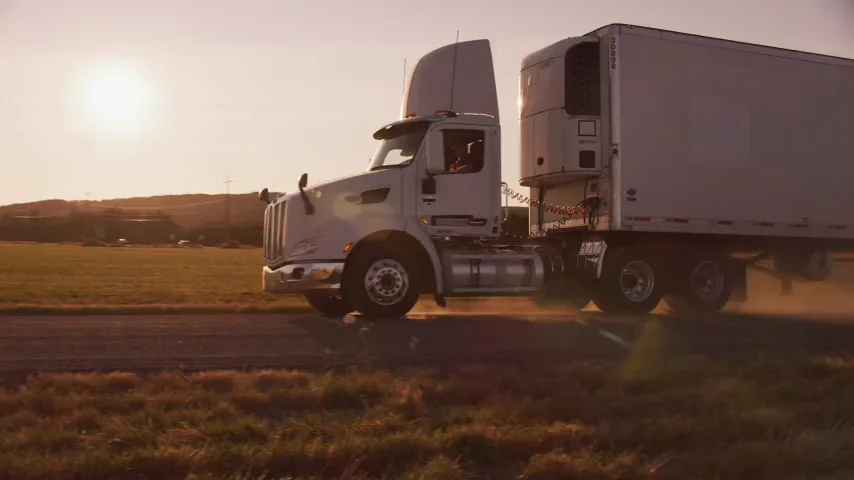
Industrial Steel Transport in Northwest Indiana
Federal motor carrier safety regulations exist to protect motorists from the immense dangers posed by commercial trucks. Rules governing maximum driving hours, mandatory rest periods, commercial lighting, and rear underride guards are designed to reduce severe highway accidents. When federal regulators grant exemptions from these baseline safety standards, those exemptions are narrowly drawn and subject to strict geographic limitations.
On September 30, 2026, the Federal Motor Carrier Safety Administration published an official notice in the Federal Register (91 FR 61916, Docket No. FMCSA-2016-0050) addressing specialized commercial trucking operations in Northwest Indiana. The decision provisionally consolidated and renewed long-standing safety exemptions for Cleveland-Cliffs Steel LLC at its steel manufacturing facilities in East Chicago, Indiana.
While this action provides operational flexibility for heavy industrial manufacturing, it also establishes precise legal boundaries that define when safety waivers apply and when full federal liability attaches.
Cleveland-Cliffs operates an expansive, integrated steel mill complex in East Chicago, Lake County, Indiana, formerly known as ArcelorMittal Indiana Harbor. Moving raw materials, heavy scrap, and massive rolled steel coils between various internal production plants requires frequent short movements across public streets that intersect the industrial property.
To accommodate these specialized internal operations, federal regulators granted two distinct categories of safety relief:
Relief From Standard Hours and Equipment Rules
Under standard federal hours of service rules (49 CFR 395.3), commercial truck drivers are restricted to a strict 14-hour daily duty window, after which they may not drive until completing 10 consecutive hours off duty.
Under the renewed exemption, qualified company drivers operating between the plant facilities are permitted to work duty shifts of up to 16 consecutive hours, followed by eight consecutive hours off duty. This waiver grants an extra two hours of on-duty time each shift while reducing required off-duty rest by two hours.
In addition, federal regulations under 49 CFR Part 393 mandate rigorous equipment standards for all commercial motor vehicles operating on public roads, including commercial rear underride guards (49 CFR 393.86) to prevent passenger vehicles from sliding under trailers, specific side marker lamps, and cargo securement tie-downs. Specialized steel coil carrier vehicles are excused from standard rear underride protection, commercial clearance lighting, and standard cargo securement rules while transporting hot rolled coils between manufacturing divisions.
16 Hours
Maximum daily duty shift permitted for designated coil transport drivers.
2 Crossings
Exact public street locations in East Chicago authorized for exempt operation.
5 Days
Mandatory reporting window to FMCSA for any crash causing injury or death.
Official operating thresholds published in Federal Register Notice 91 FR 61916 (FMCSA-2016-0050).
Strict Geographic Crossing Limits on Public Roads
Because these exemptions permit longer duty hours and vehicles lacking standard safety equipment, federal regulators imposed strict geographic limits on where these vehicles may operate.
The exemption applies exclusively to crossing public roadways at two exact designated points:
Dickey Road Crossing
Crossing Dickey Road at 3100 Dickey Road connecting internal mill production facilities.
Riley Road Crossing
Crossing Riley Road at 3210 Riley Road connecting specialized steel manufacturing divisions.
Legal Scrutiny in Industrial Truck Accident Cases
Industrial manufacturing corridors throughout Indiana and Kentucky see heavy concentrations of commercial freight traffic. When passenger cars collide with industrial transport vehicles or specialized freight haulers, commercial carriers often claim that special industrial exemptions protect them from liability.
A rigorous legal investigation requires holding motor carriers strictly to the terms of their regulatory waivers:
Waivers Are Not Blanket Immunities
A carrier claiming a federal safety exemption must prove that the driver, vehicle, cargo, and route matched the waiver terms precisely.
Operating Outside Boundaries Voids Relief
If a coil carrier lacking standard underride guards causes an accident outside designated crossing boundaries, full federal liability re-attaches.
Fatigue Scrutiny Under 16-Hour Duty Days
Extended shifts increase driver fatigue risk. When a driver working 16-hour shifts causes a crash, electronic records must be audited for rest compliance.
This renewal sat in the same September 30 Federal Register issue as FMCSA’s paper-log denial. For that broader ELD mandate context, see our article on electronic logging device exemptions after the paper log denial.
Experienced Advocacy in Complex Commercial Truck Litigation
When industrial trucking operations result in catastrophic roadway injuries, our attorneys conduct deep regulatory audits to expose safety violations. Contact our team for an immediate review of your case.