

Amazon Delivery Crash Statistics
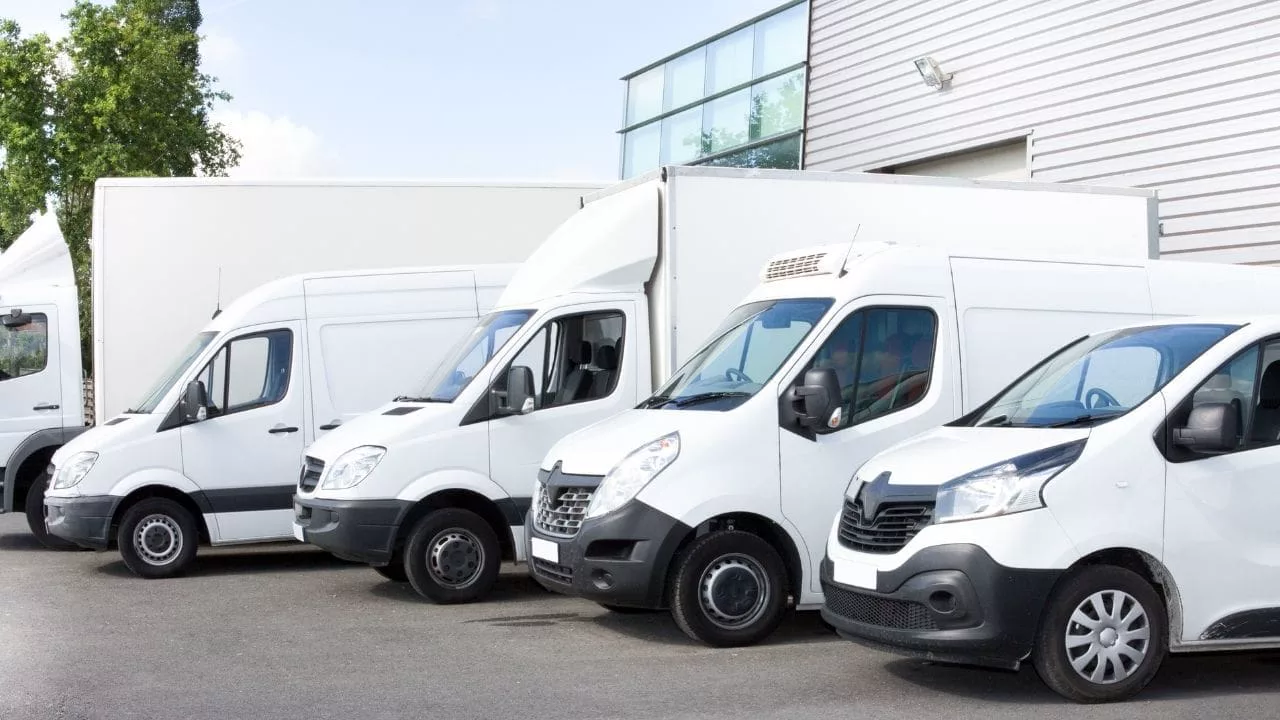
Amazon last-mile and linehaul traffic in Kentucky runs through Delivery Service Partner vans, Amazon Flex personal vehicles, and tractor-trailers moving freight between fulfillment centers. Amazon’s DSP program update reports that those contractor businesses deliver more than 20 million packages a day. Worker-injury research on Amazon’s production system, and the way routes are assigned, is the public record behind many delivery accident claims. It is not a count of every Amazon-branded collision.
Delivery Fleet Size
From 2016 to 2022, fatal accidents involving large trucks and buses in the United States increased 26.4%, according to FMCSA. That is the industry backdrop, not an Amazon-only number. Keep those facts separate: FMCSA heavy-vehicle deaths are not Amazon deaths.
Amazon does not directly employ most of the drivers in Amazon-branded vans. Amazon describes more than 3,000 Delivery Service Partners worldwide. Amazon Flex is a separate channel in which people use their own cars. Flex insurance, on Amazon’s own description, applies only while the person is actively delivering during a block.
For a Kentucky delivery-crash case, start at Amazon delivery crash claims.
Amazon describes Delivery Service Partners as independent businesses that hire their own drivers and receive Amazon tools, routing, and rate-card support. The same program page says the model has grown to about 4,400 businesses and that those companies have created 390,000 driving jobs over the life of the program. That jobs figure is cumulative. It is not a current headcount of drivers on the road in a given week, and it is not a count of Amazon Flex drivers.
Kentucky sits on I-65, I-64, I-75, and I-71, and Louisville’s Worldport air hub plus fulfillment centers in Shepherdsville, Lexington, Hebron, and Campbellsville put branded vans and Amazon freight on those corridors. Fleet size explains exposure. It does not decide who is liable after a particular accident.
Warehouse Injury Rates in the SOC Report
A 2024 Strategic Organizing Center report built from OSHA injury logs is a warehouse analysis, not a census of delivery accidents. For 2021, SOC reported a serious-injury rate of 6.8 per 100 Amazon warehouse workers, more than double the 3.3 rate at other warehouses, and said Amazon employed 33% of U.S. warehouse workers while accounting for 49% of warehouse injuries.
Those OSHA figures describe production speed inside Amazon facilities. They do not measure how many DSP vans, Flex cars, or linehaul trucks were in accidents. They do document the same speed-and-quota model that last-mile contractors operate under, which is why the numbers still belong on a delivery-accident statistics page. OSHA establishment search is the underlying log system SOC used.
Kentucky Freight Corridors
A delivery accident in Kentucky often involves one of three operating models: a DSP driver in an Amazon-branded van, an Amazon Flex driver in a personal vehicle, or a Class 8 tractor-trailer hauling freight between fulfillment centers. Each model has a different employer, a different insurance file, and a different set of electronic records.
Corridor geography does not prove that Kentucky has more Amazon accidents than other states. It does mean those three vehicle types share I-65, I-64, I-75, I-71, and the roads around Worldport with everyone else on those routes.
Driver Categories in Delivery Accidents
DSP drivers are employees of the contractor, not of Amazon, under the structure Amazon describes. Flex drivers use personal vehicles and an app. Linehaul drivers may work for Amazon or for a separate motor carrier moving Amazon freight. App status, vehicle ownership, and the DSP contract decide which policy is primary.
Electronic evidence specific to this network, including scoring apps and inward-facing cameras, is covered in the firm’s article on Amazon driver accident evidence. Injury patterns in heavier Amazon freight are covered in Amazon delivery truck accident injuries.
Responsible Parties After a Delivery Accident
Amazon typically argues that DSP drivers are employees of independent contractors, so the DSP’s auto liability policy should respond first. Vicarious liability can still reach Amazon when the facts show control over pace, routing, and the work itself. A South Carolina jury verdict on that control question is discussed in the firm’s article on why Amazon delivery accidents are rising.
Flex accidents add a second coverage question. A personal auto policy may exclude work done through a delivery app. The app log showing whether the driver was on a delivery at the time of the accident is part of that coverage file.
Limitation Periods for Motor Vehicle Claims
KRS 304.39-230 sets timing rules for motor vehicle tort actions, including a two-year period measured from the last basic reparation (PIP) payment in many cases, not from the accident date alone. Route logs, inward-facing cameras, and DSP files can still be overwritten in weeks. A limitation period is not a reason to wait on preservation.
Ready to Take Action on an Amazon Delivery Crash Case?
After a serious injury, medical bills pile up while the insurance company looks for ways to pay you less. Most law firms take their cut first and leave you with whatever is left. Sam Aguiar Injury Lawyers does things differently. With our exclusive Bigger Share Guarantee®, you always get more. Every client gets a dedicated three-person team: an attorney, a case manager, and a legal assistant. We never raise our fee rate if we have to go to court, and you pay $0 Out-Of-Pocket Forever.
Frequently Asked Questions
1Who pays if an Amazon van hits a car in Kentucky?+
2Is Amazon itself ever directly liable for a delivery crash?+
3What if the driver was using the Amazon Flex app and driving a personal vehicle?+
4How long is there to file a claim after an Amazon crash in Kentucky?+
5Can a claim still be filed if injuries seemed minor at first?+
6What makes Amazon crash claims harder than a regular car crash?+
Latest Articles
Kentucky Diminished Value Claims
Kentucky drivers may pursue a repaired vehicle’s leftover market loss from the at-fault driver as part of a.
FMCSA Revoked ELDs: Fleet Compliance and Enforcement Deadlines
FMCSA removed five electronic logging devices from the registered list on August 6, 2026, and set an October.
FMCSA English Proficiency Rule and OOS Enforcement
FMCSA English Proficiency Rule Sam Aguiar Injury Lawyers August 11, 2026 7 minute read On This Page.