

Bicycle Accident Attorneys
Struck While Riding a Bicycle?
 ★★★★★
Over 1,000 Five-Star Reviews
•
Available 24/7. $0 Out-Of-Pocket Forever.
★★★★★
Over 1,000 Five-Star Reviews
•
Available 24/7. $0 Out-Of-Pocket Forever.
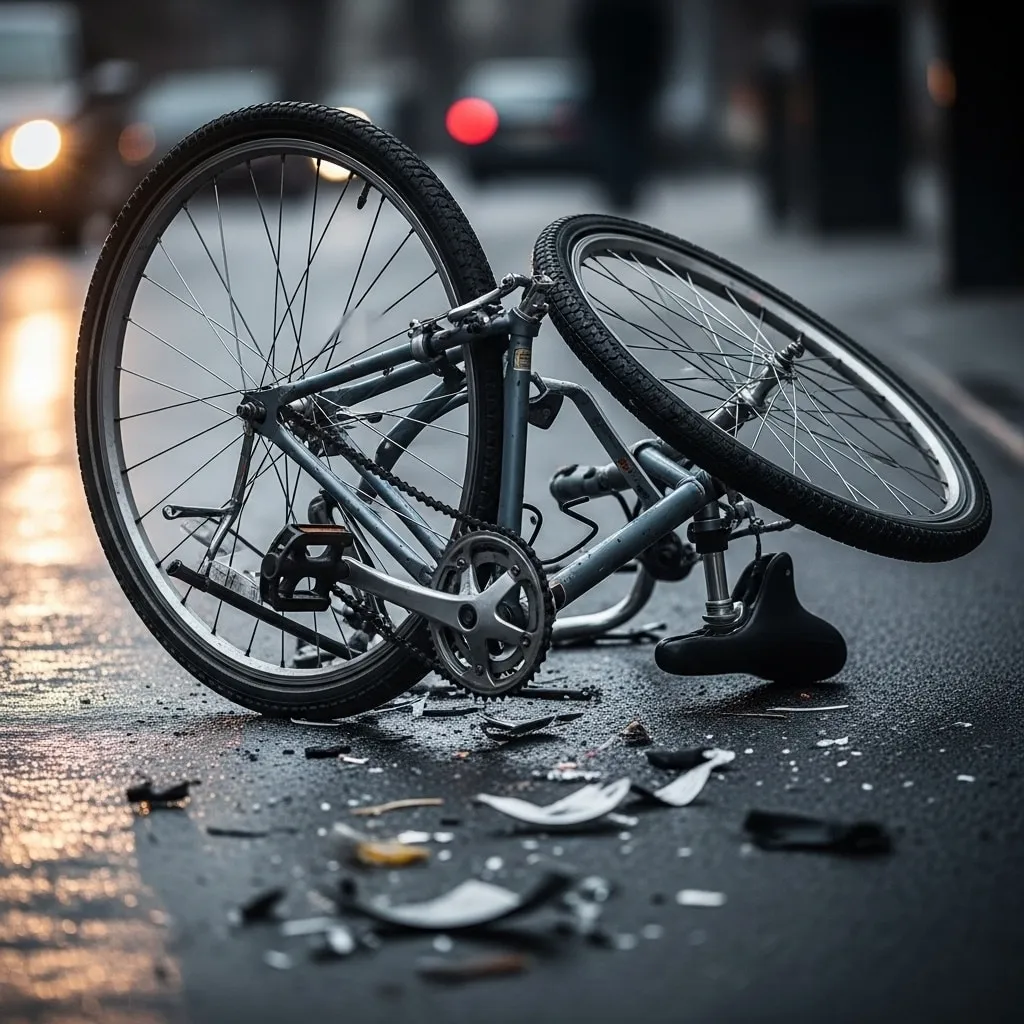
Kentucky Bicycle Accident Cases
A bicycle accident case starts with how the driver and the cyclist met on the road. Kentucky treats a bicycle on the road much like other traffic: under 601 KAR 14:020, a bicycle is operated in the same manner as a motor vehicle, with exceptions for shoulders, marked bicycle lanes, and lane position. The driver’s duties and the cyclist’s duties are read together.
Louisville cyclists share arterial streets, downtown intersections, and bike lanes with motor traffic. Nationally, 81% of pedalcyclist deaths in 2023 happened in urban areas, and 39% of bicyclist deaths in 2024 occurred at intersections, which leaves most of them elsewhere on the road.
Lane position, lighting, and helmet use are the points an insurer can raise about the cyclist, so the rules for both sides apply to the case.
Common Bicycle Accident Patterns
Each pattern points to a specific driver or roadway failure, and each leaves different evidence.
- 1
Intersection Accidents
A driver fails to yield to a cyclist at a signal, a stop sign, or a driveway. Intersection design, signal timing, and sight lines belong in the evidence.
- 2
Left-Cross Accidents
A driver turning left across oncoming traffic turns into the path of a cyclist who was proceeding straight.
- 3
Right-Hook Accidents
A driver passes a cyclist and then turns right across the cyclist’s path, or turns right without checking for a cyclist alongside.
- 4
Dooring
A driver or passenger opens a door of a parked vehicle into a bike lane, a shoulder, or a travel lane. A cyclist may leave a marked bicycle lane to avoid the door zone of a parked vehicle.
- 5
Close Passing
A driver passes with less than three feet of clearance, the distance KRS 189.340(2)(a) sets for a pass in a single lane.
- 6
Rear-End Accidents
A driver approaches from behind at night or in poor visibility and does not slow or change lanes. The regulation requires a front light and a red rear light or reflector during the hours that KRS 189.030(1) describes, so lighting becomes evidence.
- 7
Distracted Driving
- 8
Kentucky Rules for Drivers Passing Cyclists
KRS 189.340(2) sets what a driver must do when overtaking a bicycle, and it also limits how cyclists ride side by side. The statute reads:
(a) The driver of a vehicle overtaking a bicycle or electric low-speed scooter proceeding in the same direction shall: 1. If there is more than one (1) lane for traffic proceeding in the same direction, move the vehicle to the immediate left, if the lane is available and moving in the lane is reasonably safe; or 2. If there is only one (1) lane for traffic proceeding in the same direction, pass to the left of the bicycle or electric low-speed scooter at a distance of not less than three (3) feet between any portion of the vehicle and the bicycle or electric low-speed scooter and maintain that distance until safely past the overtaken bicycle or electric low-speed scooter. If space on the roadway is not available to have a minimum distance of three (3) feet between the vehicle and the bicycle or electric low-speed scooter, then the driver of the passing vehicle shall use reasonable caution in passing the bicyclist or electric low-speed scooter operator.
(b) The driver of a motor vehicle may drive to the left of the center of a roadway, including when a no-passing zone is marked in accordance with subsection (6) of this section, to pass a person operating a bicycle or electric low-speed scooter only if the roadway to the left of the center is unobstructed for a sufficient distance to permit the driver to pass the person operating the bicycle or electric low-speed scooter safely and avoid interference with oncoming traffic. This paragraph does not authorize driving on the left side of the center of the roadway when otherwise prohibited under state law.
(c) The operator of a bicycle or electric low-speed scooter shall not ride more than two (2) abreast on a single highway lane unless operating on any part of the roadway marked exclusively for bicycle use. Persons riding two (2) abreast shall not impede the normal and reasonable movement of traffic.
The three-foot margin applies on a road with one lane in the direction of travel. On a road with more than one lane, the driver must move over when the lane is available and moving is safe. Video, mirror contact, and the cyclist’s position in the lane can test whether a pass met the statute.
Rules for Cyclists on Kentucky Roads
KRS 189.287 directs the Transportation Cabinet to set standards for bicycle equipment and safe operation, and those standards are in 601 KAR 14:020. A bicycle may use the shoulder unless a law or ordinance prohibits it. When a lane is marked for the exclusive use of bicycles, the cyclist must use it unless an exception applies, such as avoiding a hazard, avoiding the door zone of a parked vehicle, passing a slower vehicle, or approaching a driveway or intersection where vehicles turn right. In a shared lane, the cyclist keeps to the right unless a listed exception applies, including preparing for a left turn, avoiding a hazard, or approaching a place where right turns are permitted.
No more than two bicycles may ride abreast in a lane unless the roadway is marked exclusively for bicycles, and riders abreast may not impede traffic. The regulation also requires lights and reflectors in the hours that KRS 189.030(1) describes: from one-half hour after sunset to one-half hour before sunrise, and whenever atmospheric conditions make visibility as low as it is in that period. The regulation sets no helmet requirement.
Insurance Coverage Sources for Cyclists
More than one policy can apply to a bicycle accident. The striking driver’s liability policy is the first source. Kentucky’s no-fault law also applies, because a person who was not using a motor vehicle is treated as a pedestrian, and the no-fault benefits come from the insurance on the vehicle that struck the cyclist.
A cyclist can also have uninsured motorist or underinsured motorist coverage through an auto policy the cyclist owns or one in the same household, even though no car was involved on the cyclist’s side. Kentucky auto liability policies must include uninsured motorist coverage unless a named insured rejects it in writing, so each policy’s declarations show what exists. Kentucky’s statutes do not define an electric bicycle, so an e-bike rider’s coverage depends on how the bike is classified.
Evidence That Builds The Case
Video can show passing distance, signal use, and speed. Traffic cameras, doorbell cameras, business cameras, and dashcams each cover a different angle, and footage can be overwritten, which is why the source of traffic camera footage is needed early.
The roadway puts the accident in context: lane markings, bike-lane design, sight distance, traffic controls, and surface defects. The vehicle adds damage, mirror contact, tire marks, onboard data, and repair estimates that show how the bicycle and the vehicle met.
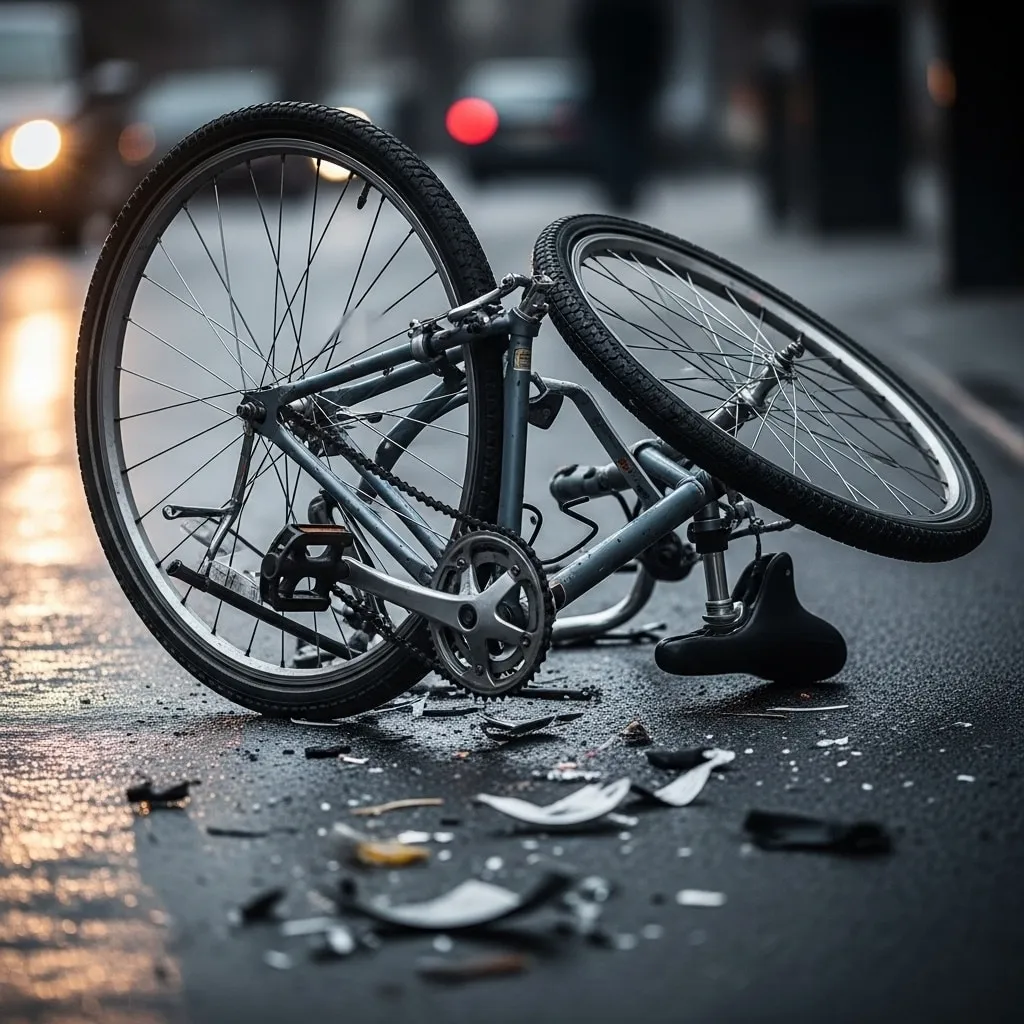
The bicycle is physical evidence. The frame, wheels, lights, reflectors, helmet, and clothing each answer a different question, and a bicycle that has been repaired, sold, or discarded can no longer be inspected. Medical records, including imaging, surgery notes, therapy, work restrictions, and injury photographs, document the injury and its consequences.
Losses Documented In A Bicycle Case
A cyclist has no vehicle frame for protection, so a bicycle accident can cause fractures, road rash, shoulder and wrist injuries, traumatic brain injuries, and spinal cord injuries. Emergency records establish the first findings. Imaging, provider notes, therapy records, and work restrictions show how the diagnosis developed, and they distinguish symptoms reported immediately from those documented later.
A bicycle injury case may seek payment for medical expenses, lost income, reduced earning capacity, pain, disability, scarring, and other losses recognized by Kentucky law. Damage to the bicycle, helmet, and gear may also be part of the case. A fatal accident can lead to a wrongful death case. Under KRS 411.130, the personal representative of the deceased brings that action, and the recovery goes to the family members the statute lists.
The amount depends on the evidence in that individual case. Medical billing and treatment records support past expenses. Provider opinions and a documented care plan may address future treatment. Payroll, tax, attendance, and vocational records can show lost work and changes in earning ability, and long-term damages need records that look forward as well as back.
Key Takeaways
Who Is Responsible for Your Bicycle Accident?
A bicycle accident can point to a driver who passed too close, turned across the cyclist, or opened a door into the lane, and the insurance behind each driver is different. Sam Aguiar Injury Lawyers works out who is responsible and which coverage applies, then documents your injuries and lost income with verified records. Most cases qualify in under 10 minutes, and the Bigger Share Guarantee® means you always walk away with more than the firm after bills, liens and case costs. Call today for a free case review.
Frequently Asked Questions
1How much room must a driver give a cyclist when passing?+
Kentucky requires a driver passing a bicycle in a single lane to leave at least three feet between the vehicle and the bicycle and to keep that distance until safely past. On a road with more than one lane in that direction, the driver must move over a lane when it is available and moving is safe.
2Can I still bring a case if I was hit while riding in a bike lane?+
601 KAR 14:020 requires a cyclist to use a lane marked for the exclusive use of bicycles unless an exception applies, so riding in the lane is what the regulation expects. A driver who turns across the lane, or a person who opens a car door into it, answers for that conduct.
3Do I need to have worn a helmet to have a case in Kentucky?+
The bicycle safety regulation, 601 KAR 14:020, sets no helmet requirement. Helmet use can still come up when injuries are described, particularly head injuries, which is why the medical records carry so much weight.
4What if the driver who hit me had no insurance?+
A cyclist may be able to use uninsured motorist coverage through an auto policy the cyclist owns or one in the same household. KRS 304.20-020 requires Kentucky auto liability policies to include that coverage unless a named insured rejects it in writing, so the policy declarations show whether it exists.
5What if the driver was not cited at the scene?+
A missing citation does not mean there is no case. Officers do not always see the moments before an accident, and video, witness statements, vehicle damage, and roadway evidence can show a violation the initial report did not record.
6Which evidence carries the most weight in a bicycle accident case?+
Video, the police report, witness statements, photographs of the roadway and the vehicle, medical records, and the damaged bicycle each answer a different part of how the accident happened and who caused it.
7How common is impaired driving in fatal bicycle accidents?+
A driver had a blood alcohol concentration of .08 or higher in 14% of fatal pedalcyclist accidents in 2023, and a pedalcyclist had that level of alcohol in 18% of those accidents.