
Insurance Rates After An Accident

Kentucky bars an insurer from increasing the premium on an automobile liability policy solely because the insured filed a claim for an automobile accident. The rule in KRS 304.20-045 applies only if the insured was not at fault nor contributorily negligent, and it gives the insured a written complaint path to the Commissioner of Insurance.
Statutory Premium Ban
One trigger controls the ban: a claim for an automobile accident. The statute does not list uninsured motorist, underinsured motorist, collision, or personal injury protection claims separately, so a not-at-fault claim under any of those coverages is still a claim for an automobile accident.
| Citation | Authority | Area |
|---|---|---|
| CitationKRS 304.20-045 | Authority Premium Increase Ban Bars a premium increase on an automobile liability policy solely as a result of an accident claim filed by an insured who was not at fault and not contributorily negligent. | AreaPremiums |
| CitationKRS 411.182 | Authority Fault Allocation in Tort Assigns percentages of fault for tort damages. | AreaDamages |
| CitationKRS 304.12-230 | Authority Unfair Claims Settlement Practices Sets standards for how an insurer investigates and resolves claims. | AreaClaims |
| CitationKentucky DOI | Authority Consumer Complaint Process Accepts written and online complaints when an insured believes a premium increase violates the statute. | AreaComplaints |
Source: Kentucky General Assembly; Kentucky Department of Insurance.
Not-At-Fault Requirement
The premium ban does not apply if the insured caused the accident or contributed to it.
Kentucky tort cases allocate fault by percentage under KRS 411.182. That statute governs damages. It does not rewrite the premium test in KRS 304.20-045.
Rear-End Claim
An insured is struck from behind and files a claim for the accident. If the insured was not at fault and not contributorily negligent, that claim cannot be the sole reason for a premium increase.
Minimum Limits Claim
Kentucky requires at least $25,000 per person in bodily injury liability under KRS 304.39-110. Those Kentucky minimum car insurance requirements can leave a gap when medical bills exceed the at-fault driver’s limits.
A claim on the insured’s own policy to cover that gap is still a claim for an automobile accident under KRS 304.20-045.
Unattended Vehicle Claim
A driver strikes a parked car and leaves, and the owner files a claim. If the insured had no role in causing the accident, a premium increase based solely on that claim violates KRS 304.20-045.
Lawful Rate Changes
The statute blocks an increase that exists solely as a result of the not-at-fault accident claim. It does not block a rate change based on a different fact.
- An at-fault accident claim is outside the ban.
- A book-wide rate change that is not based solely on the insured’s claim is outside the ban.
When an insurer uses software to support a claim decision, Kentucky still applies existing insurance statutes. That includes the premium ban in KRS 304.20-045. Insurance AI in Kentucky Car Accident Claims tracks those rules.
Accident Forgiveness Clauses
Some policies sell “accident forgiveness” as an extra endorsement for one at-fault accident. The policy language controls that endorsement. It does not replace KRS 304.20-045.
Commissioner Complaints
An insured who believes an insurer raised the premium in violation of KRS 304.20-045 may notify the commissioner in writing. The commissioner then investigates the complaint, takes appropriate action, and sends written notice of that action to the insured.
The Kentucky Department of Insurance Consumer Protection Division handles consumer complaints against auto insurers.
If the premium dispute sits inside a broader claims-handling dispute, KRS 304.12-230 sets unfair claims settlement standards. Sam Aguiar Injury Lawyers handles Kentucky car accident claims when the injury case and the coverage dispute overlap.
Ready to Take Action on Your Injury Claim?
After a serious injury, medical bills pile up while the insurance company looks for ways to pay you less. Most law firms take their cut first and leave you with whatever is left. Sam Aguiar Injury Lawyers does things differently. With our exclusive Bigger Share Guarantee®, you always get more. Every client gets a dedicated three-person team: an attorney, a case manager, and a legal assistant. We never raise our fee rate if we have to go to court, and you pay $0 Out-Of-Pocket Forever.
Frequently Asked Questions
1Can a Kentucky insurer raise the premium after a not-at-fault accident?+
2What if the insured was partly at fault for the accident?+
3How does an insured report an illegal premium increase in Kentucky?+
4Does accident forgiveness replace KRS 304.20-045?+
5Does Kentucky comparative fault change the premium statute?+
6Can an uninsured motorist claim trigger a premium increase if the insured was not at fault?+
Latest Articles
Kentucky Diminished Value Claims
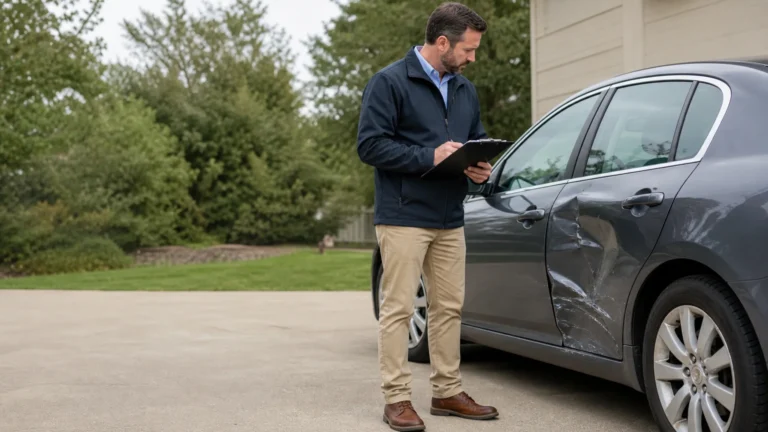
Kentucky drivers may pursue a repaired vehicle’s leftover market loss from the at-fault driver as part of a.
FMCSA Revoked ELDs: Fleet Compliance and Enforcement Deadlines
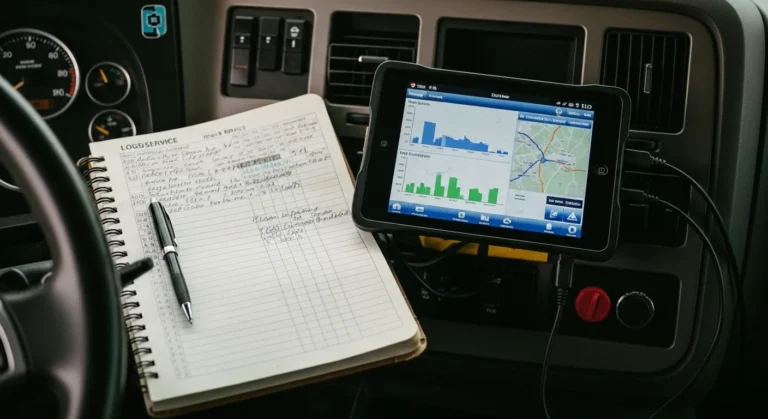
FMCSA removed five electronic logging devices from the registered list on August 6, 2026, and set an October.
FMCSA English Proficiency Rule and OOS Enforcement
FMCSA English Proficiency Rule Sam Aguiar Injury Lawyers August 11, 2026 7 minute read On This Page.