
How Rideshare Injury Claims Work
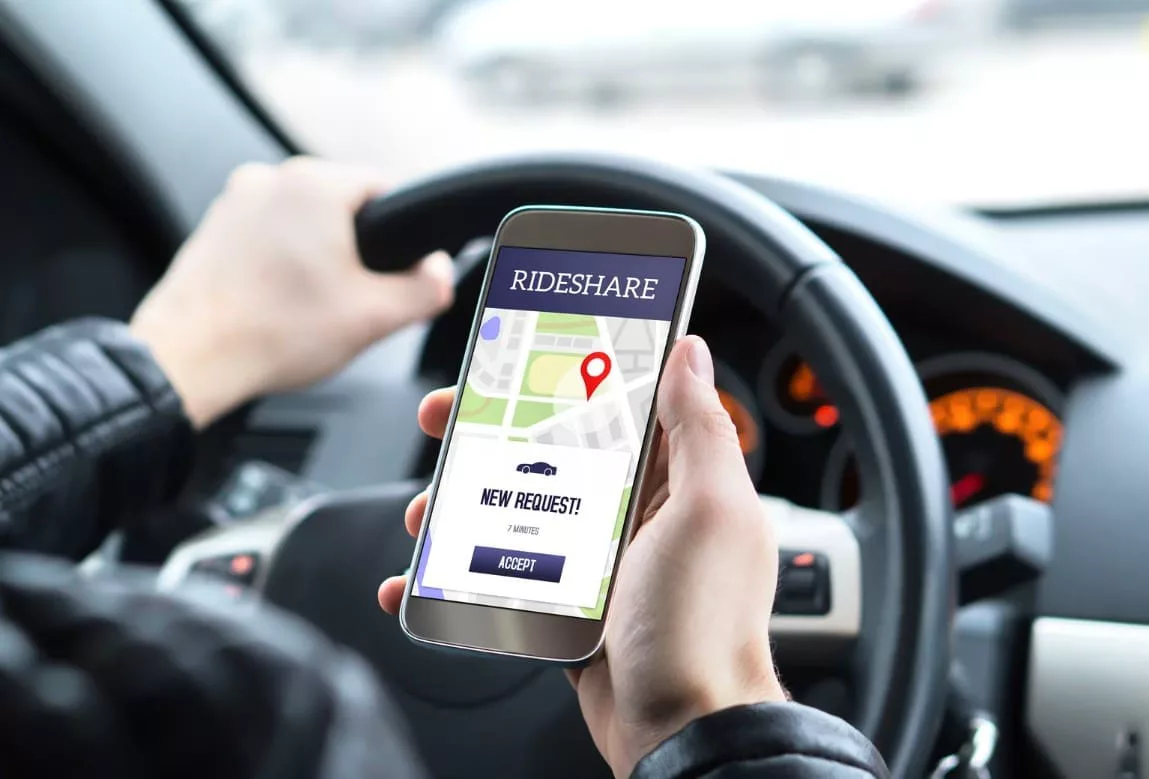
Rideshare coverage changes with the driver’s app status. The moment an Uber or Lyft driver accepts a ride request, even before picking up the passenger, the available liability coverage can jump from limited contingent coverage to at least $1,000,000. Adjusters often argue that a lower-coverage period was active at the time of a crash because the payout difference is so large, and settling that question takes the company’s trip records, GPS data, and timestamps.
Rideshare Insurance Periods
Rideshare insurance runs in three periods tied to what the app showed at the moment of the crash. Kentucky law sets minimums for the middle and final periods, and the companies publish the coverage they maintain.
| App Status | Kentucky Minimum | Company Coverage |
|---|---|---|
| App StatusApp offPersonal driving | Kentucky MinimumThe driver’s personal auto policy, at least $25,000 per person, $50,000 per accident, and $25,000 property damage under KRS 304.39-110 | Company CoverageNone from the rideshare company |
| App StatusApp on, waitingNo ride accepted | Kentucky MinimumPre-trip acceptance liability of $50,000 per person, $100,000 per incident, and $25,000 property damage under KRS 281.655(12) | Company CoverageUber lists $50,000 per person, $100,000 per accident, and $25,000 property damage |
| App StatusRide acceptedEn route or passenger on board | Kentucky MinimumPrearranged ride liability at the minimums KRS 281.655 sets for vehicles transporting persons | Company CoverageAt least $1,000,000 in third-party liability, per Uber and Lyft |
Source: Kentucky Revised Statutes and Uber and Lyft driver insurance pages.
Kentucky Rideshare Insurance Law
Kentucky regulates rideshare insurance through the transportation network company provisions of KRS 281.655. Subsection (12) directs the Transportation Cabinet to set standards for pre-trip acceptance and prearranged ride liability policies, sets the $50,000, $100,000, and $25,000 minimums for the waiting period, and ties prearranged ride minimums to the amounts the statute sets for vehicles transporting persons. Both types of policy may be issued by an eligible surplus lines insurer.
Delivery Network Coverage Under KRS 365.532
Delivery apps such as Uber Eats fall under a separate statute. KRS 365.532, effective January 1, 2025, requires a delivery network company to ensure primary liability coverage during the delivery available period and delivery service period that either recognizes the driver is a delivery network driver or does not exclude delivery use, with minimums of $50,000 per person, $100,000 per accident, and $25,000 property damage. If a dispute arises over when a delivery period began or ended and the company cannot produce the required timing records, the company’s insurer assumes primary liability for the claim.
Rideshare Company Corporate Entities
Rideshare companies operate through parent companies, subsidiaries, and regional entities, and the liability policy may be issued to an entity other than the brand name on the app. Identifying the correct corporate entity and insurer is a threshold issue in every rideshare claim, because a claim filed against the wrong entity can delay or reduce the recovery.
People With Claims After a Rideshare Crash
Several groups of injured people can have claims after a rideshare crash:
- Rideshare passengers, who can claim against the coverage of at least $1,000,000 the companies maintain while a trip is in progress.
- Drivers of other vehicles, whose claims depend on the app status at the time of the crash.
- Pedestrians and cyclists, who can claim against whatever coverage period was active at the time of impact.
- The rideshare driver, whose own coverage is more limited, and for whom personal injury protection and uninsured motorist coverage under the driver’s own policy may apply.
Insurer Coverage Disputes
Rideshare insurers use coverage disputes to limit what they pay, and each dispute has records that answer it:
- App status disputes: the insurer argues the driver was not on an active trip. Server logs, GPS timestamps, and trip records answer the argument.
- Independent contractor defenses: the company argues it is not liable because drivers are contractors. The statutory coverage obligations and records of direct negligence, such as driver screening, answer the argument.
- Delayed reporting: the insurer says it cannot verify coverage without the crash report. Police report information and digital trip evidence answer the argument.
- Low initial offers: quick settlement offers arrive before the full scope of injury is known. Medical records, treatment history, and case documentation answer them.
Early statements to any of these insurers carry risk, as described in insurance recorded statements.
Records That Show the Rideshare Period
Rideshare coverage usually depends on what the app showed at the exact time of impact, so the most useful records establish driver status, trip timing, route, pickup, and passenger activity:
- App trip receipts and route history
- Driver profile, vehicle, and rideshare driver ID information
- GPS timestamps, server logs, and accepted-ride records
- Police report information, photos, and repair documentation
- Medical records and communications with the rideshare company or insurer
Related coverage issues for delivery drivers appear in delivery driver insurance gaps, and uninsured and underinsured motorist rules appear in underinsured motorist claims in Kentucky.
Ready to Take Action on Your Injury Claim?
After a serious injury, medical bills pile up while the insurance company looks for ways to pay you less. Most law firms take their cut first and leave you with whatever is left. Sam Aguiar Injury Lawyers does things differently. With our exclusive Bigger Share Guarantee®, you always get more. Every client gets a dedicated three-person team: an attorney, a case manager, and a legal assistant. We never raise our fee rate if we have to go to court, and you pay $0 Out-Of-Pocket Forever.
Frequently Asked Questions
1Does the $1 million rideshare insurance always apply when I’m in an Uber?+
2What if the Uber driver’s personal insurance denies the claim?+
3What if I was hit by an Uber driver who was waiting for a ride?+
4Can Uber be sued directly for the driver’s negligence?+
5Which records show which insurance period applies?+
Latest Articles
Kentucky Diminished Value Claims
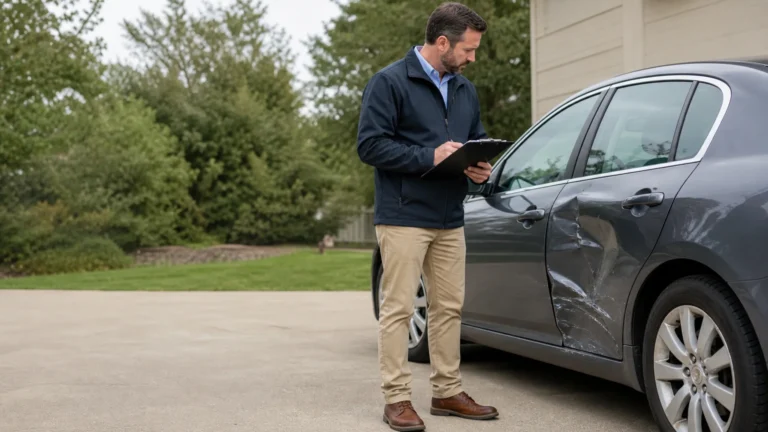
Kentucky drivers may pursue a repaired vehicle’s leftover market loss from the at-fault driver as part of a.
FMCSA Revoked ELDs: Fleet Compliance and Enforcement Deadlines
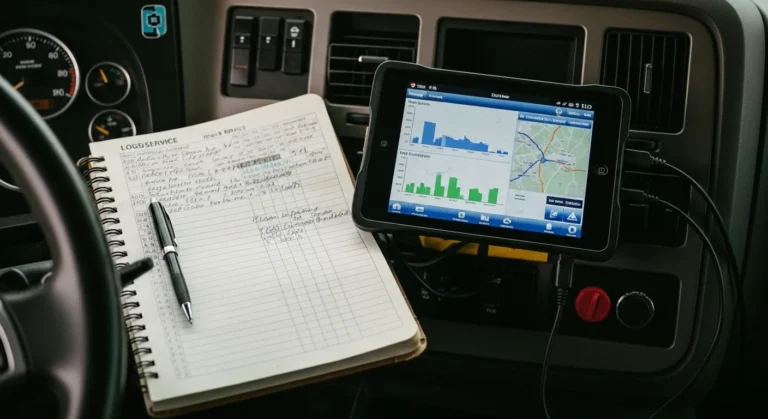
FMCSA removed five electronic logging devices from the registered list on August 6, 2026, and set an October.
FMCSA English Proficiency Rule and OOS Enforcement
FMCSA English Proficiency Rule Sam Aguiar Injury Lawyers August 11, 2026 7 minute read On This Page.