
Unfair Claims and Settlement Practices
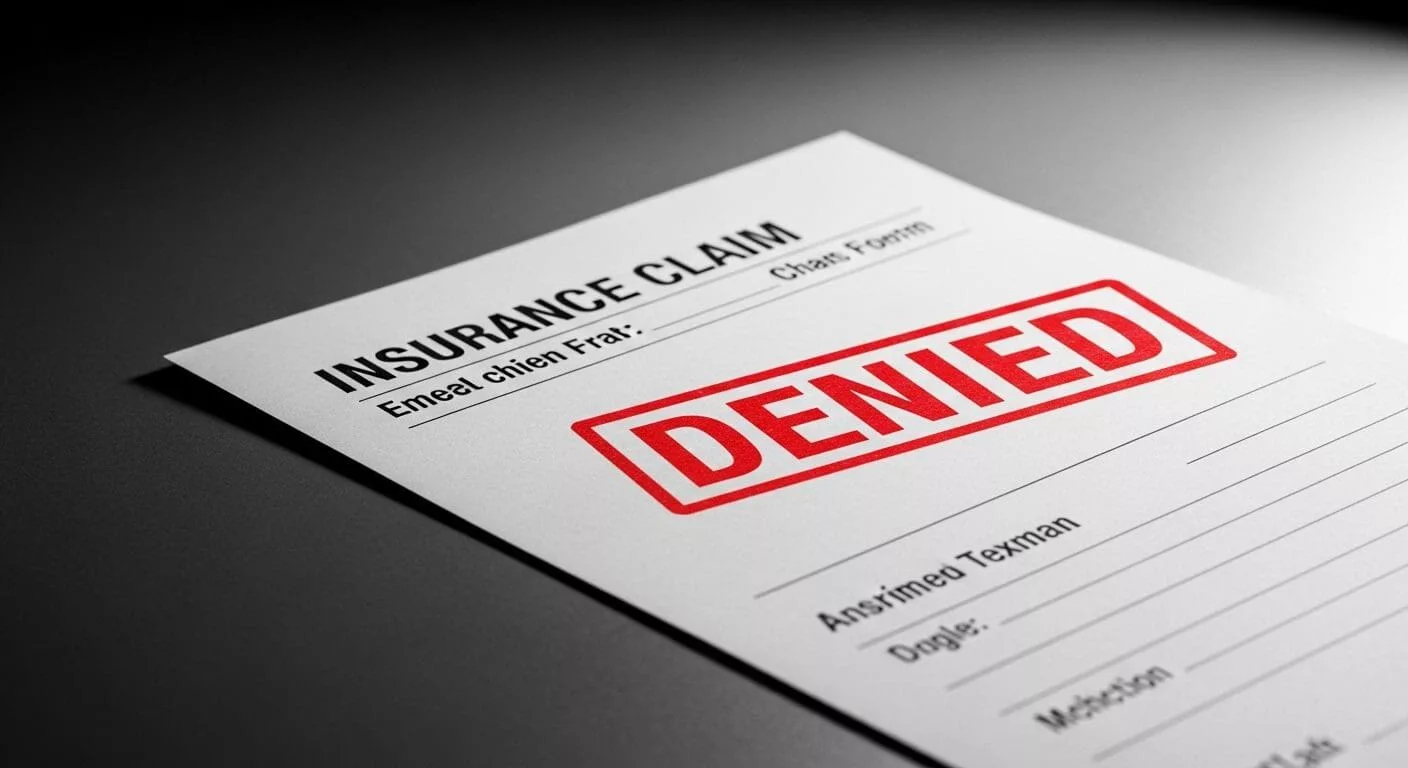
Kentucky’s Unfair Claims Settlement Practices Act, KRS 304.12-230, names 17 acts an insurer may not commit when handling a claim. Kentucky adopted the act in 1984, following the NAIC Model Unfair Claims Settlement Practices Act. A private lawsuit built on those duties still has to clear the three-part test in Wittmer v. Jones. Sam Aguiar Injury Lawyers handles insurance bad faith claims in Kentucky under both the statute and the common law.
UCSPA Prohibited Acts
Each numbered subsection of KRS 304.12-230 is a separate claims-handling duty. The list below repeats the General Assembly’s wording, including the word “reasonable” wherever the statute uses it.
KRS 304.12-230 Lists 17 Unfair Claims Settlement Practices
Statutory text of each prohibited act, numbered as enacted
Misrepresenting pertinent facts or insurance policy provisions relating to coverages at issue;
Failing to acknowledge and act reasonably promptly upon communications with respect to claims arising under insurance policies;
Failing to adopt and implement reasonable standards for the prompt investigation of claims arising under insurance policies;
Refusing to pay claims without conducting a reasonable investigation based upon all available information;
Failing to affirm or deny coverage of claims within a reasonable time after proof of loss statements have been completed;
Not attempting in good faith to effectuate prompt, fair and equitable settlements of claims in which liability has become reasonably clear;
Compelling insureds to institute litigation to recover amounts due under an insurance policy by offering substantially less than the amounts ultimately recovered in actions brought by such insureds;
Attempting to settle a claim for less than the amount to which a reasonable man would have believed he was entitled by reference to written or printed advertising material accompanying or made part of an application;
Attempting to settle claims on the basis of an application which was altered without notice to, or knowledge or consent of the insured;
Making claims payments to insureds or beneficiaries not accompanied by statement setting forth the coverage under which the payments are being made;
Making known to insureds or claimants a policy of appealing from arbitration awards in favor of insureds or claimants for the purpose of compelling them to accept settlements or compromises less than the amount awarded in arbitration;
Delaying the investigation or payment of claims by requiring an insured, claimant, or the physician of either to submit a preliminary claim report and then requiring the subsequent submission of formal proof of loss forms, both of which submissions contain substantially the same information;
Failing to promptly settle claims, where liability has become reasonably clear, under one (1) portion of the insurance policy coverage in order to influence settlements under other portions of the insurance policy coverage;
Failing to promptly provide a reasonable explanation of the basis in the insurance policy in relation to the facts or applicable law for denial of a claim or for the offer of a compromise settlement;
Failing to comply with the decision of an independent review entity to provide coverage for a covered person as a result of an external review in accordance with KRS 304.17A-621, 304.17A-623, and 304.17A-625;
Knowingly and willfully failing to comply with the provisions of KRS 304.17A-714 when collecting claim overpayments from providers; or
Knowingly and willfully failing to comply with the provisions of KRS 304.17A-708 on resolution of payment errors and retroactive denial of claims.
Wittmer Bad Faith Test
Wittmer v. Jones, 864 S.W.2d 885 (Ky. 1993) sets three elements for a bad faith claim. The claimant must prove the insurer was obligated to pay under the policy, lacked a reasonable basis in law or fact for denying the claim, and either knew there was no reasonable basis or acted with reckless disregard for whether such a basis existed.
Wittmer also held that a technical UCSPA violation, standing alone, does not support a tort claim for bad faith. A single missed call or a slow letter does not meet the test. The claimant still has to prove obligation, the absence of a reasonable basis, and the insurer’s knowledge or reckless disregard.
The UCSPA does not contain its own damages action. KRS 446.070 supplies it: a person injured by a statutory violation may recover the damages sustained by reason of that violation. Kentucky also recognizes common law bad faith, which uses the same three elements.
Third-Party UCSPA Claims
State Farm Mut. Auto. Ins. Co. v. Reeder, 763 S.W.2d 116 (Ky. 1988) held that KRS 446.070 and KRS 304.12-230, read together, create a statutory bad faith cause of action that reaches a third-party claimant. An injured driver can bring a UCSPA claim against the at-fault driver’s liability carrier, not only against the driver’s own insurer.
Reeder does not replace Wittmer. A third-party claimant still has to prove all three elements, and a genuine coverage dispute or a reasonable investigation is not bad faith.
Delay Versus Bad Faith
Motorists Mut. Ins. Co. v. Glass, 996 S.W.2d 437 (Ky. 1999) addresses slow payment. The court held that “mere delay in payment does not amount to outrageous conduct absent some affirmative act of harassment or deception.” The record has to support an inference that the delay was meant to extort a more favorable settlement or to deceive the insured about coverage.
Subsections (2), (3), (4), (6), and (14) of KRS 304.12-230 are the provisions most often cited in delay and explanation disputes. They still carry Wittmer’s mental-state requirement. A legitimate coverage question, or an investigation that is still gathering records, does not become bad faith through the passage of time alone. Kentucky claimants facing an insurer taking too long to pay a valid claim start from that standard.
Warning Signs in Claim Handling
Certain claim-handling patterns line up with specific UCSPA subsections and can signal a possible violation:
- Unexplained denial letters. Subsection (14) requires a reasonable explanation of the basis for a denial or a compromise offer, so a form letter with no substantive reason is a potential violation.
- An investigation that never ends. Subsections (3) and (4) require reasonable standards for prompt investigation, so an investigation that drags on after liability is clear may violate the statute.
- Low offers that force a lawsuit. Subsection (7) bars compelling an insured to sue by offering substantially less than the amount ultimately recovered.
- Split coverage settlements. Subsection (13) bars holding back payment under one portion of a policy to influence settlement under another, such as paying property damage quickly while stalling on bodily injury.
- Mishandled first-party coverage. The same statute applies when an insurer delays personal injury protection benefits, denies a valid underinsured motorist claim, or misrepresents the insured’s own policy.
Damages in a UCSPA Claim
When an insurer violates KRS 304.12-230 and the claimant proves actual harm, Kentucky law allows several forms of recovery:
- Compensatory damages: the amount owed under the policy plus losses the delay or denial caused, such as added expenses incurred while the claim went unpaid.
- Punitive damages: Wittmer requires evidence sufficient to warrant punitive damages before a bad faith claim goes forward, meaning conduct that is outrageous because of the insurer’s “evil motive” or “reckless indifference to the rights of others.”
- Consumer Protection Act remedies: unfair, false, misleading, or deceptive acts in trade or commerce are unlawful under KRS 367.170, which can support an added claim in some insurance disputes.
Claim Documentation
A statutory bad faith case depends on a paper trail. A claim journal records the date, time, adjuster name, and substance of each conversation, and every letter, email, and denial notice stays in the file. United Policyholders recommends this practice to Kentucky policyholders regardless of claim size.
Department of Insurance Complaints
806 KAR 12:095 sets property and casualty claims-handling rules that carry out KRS 304.12-230, including a 15-day deadline to acknowledge notice of a claim. A regulation can show what prompt handling looks like. It does not, by itself, prove Wittmer’s three elements.
KRS 304.2-165 requires the commissioner to review written complaints against insurance businesses, and the Kentucky Department of Insurance Consumer Protection Division handles consumer complaints against auto insurers. The department can investigate and sanction an insurer, but it cannot recover damages for the claimant. A complaint file can still become part of the record in a later civil case, and the complaint and the lawsuit can proceed at the same time.
Ready to Take Action on Your Injury Claim?
After a serious injury, medical bills pile up while the insurance company looks for ways to pay you less. Most law firms take their cut first and leave you with whatever is left. Sam Aguiar Injury Lawyers does things differently. With our exclusive Bigger Share Guarantee®, you always get more. Every client gets a dedicated three-person team: an attorney, a case manager, and a legal assistant. We never raise our fee rate if we have to go to court, and you pay $0 Out-Of-Pocket Forever.
Frequently Asked Questions
1Does a UCSPA violation automatically prove bad faith in Kentucky?+
2Can a third-party claimant sue under Kentucky’s UCSPA?+
3Is delay enough to win a Kentucky bad faith case?+
4Where does KRS 446.070 fit in a UCSPA claim?+
5Can a Department of Insurance complaint replace a civil claim?+
6Do the 17 UCSPA acts apply to first-party claims?+
Latest Articles
Kentucky Diminished Value Claims
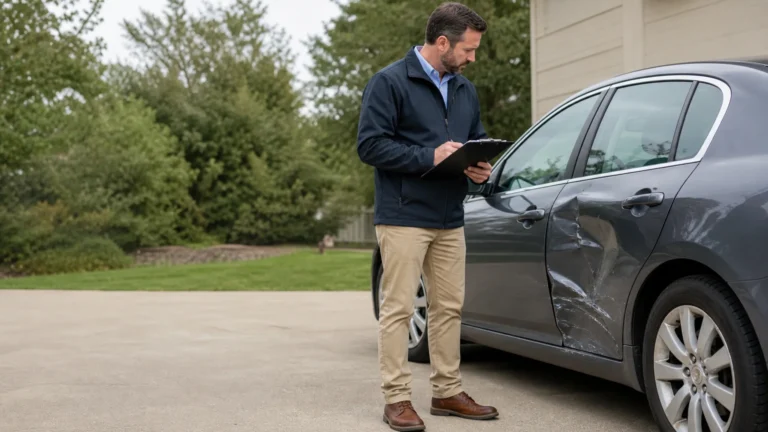
Kentucky drivers may pursue a repaired vehicle’s leftover market loss from the at-fault driver as part of a.
FMCSA Revoked ELDs: Fleet Compliance and Enforcement Deadlines
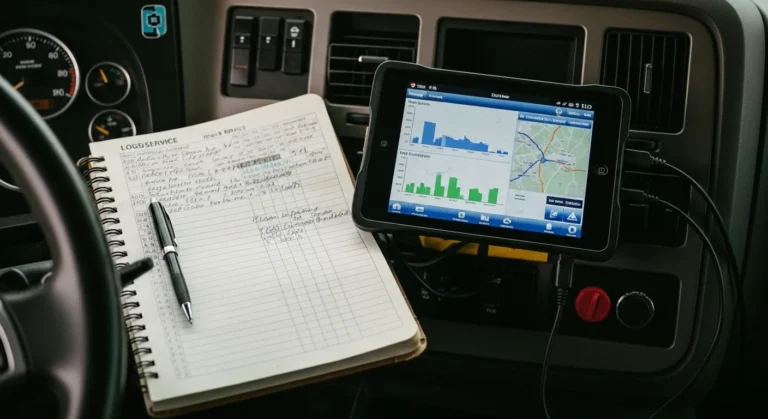
FMCSA removed five electronic logging devices from the registered list on August 6, 2026, and set an October.

FMCSA English Proficiency Rule and OOS Enforcement
FMCSA English Proficiency Rule Sam Aguiar Injury Lawyers August 11, 2026 7 minute read On This Page.