

Intersection Accidents and Who Is at Fault in a Car Accident
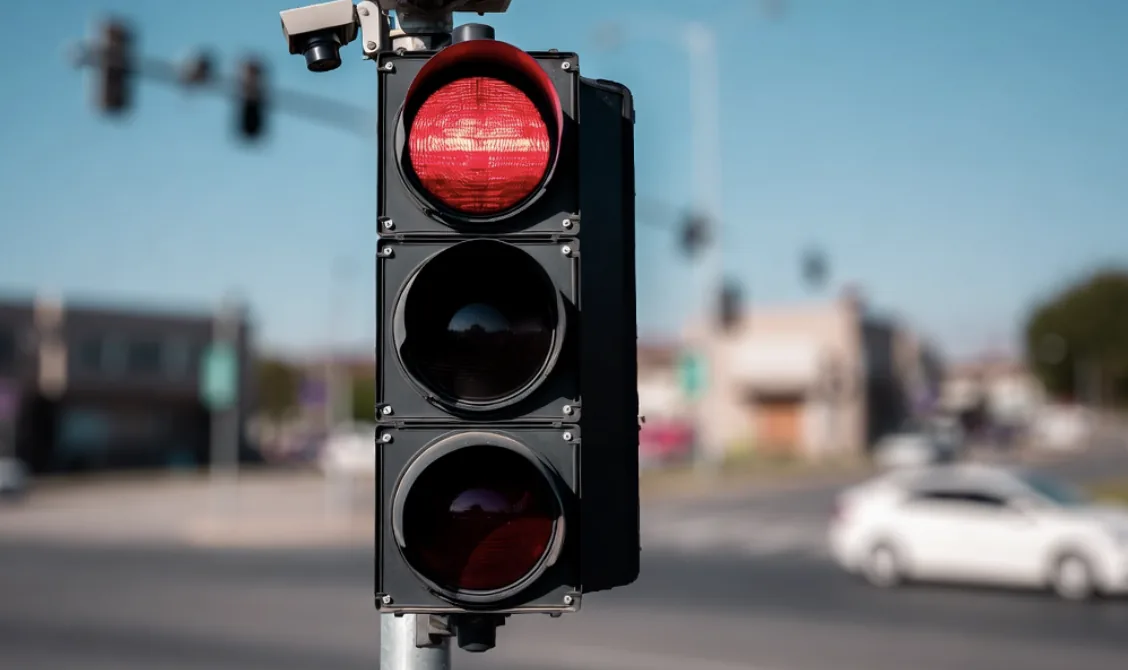
Running a red light is one of the clearest fault indicators in a car accident, and one of the deadliest. In 2024, 1,119 people were killed in crashes that involved red light running and more than 141,000 were injured, according to the Insurance Institute for Highway Safety. Half of those killed were pedestrians, bicyclists, and people in other vehicles hit by the red light runner. Under KRS 189.338, a driver facing a steady red signal must stop. Violating that law creates a strong presumption of fault, but in Kentucky the presumption does not settle every case.
Red Light Violations and the Presumption of Fault
Running a red light violates KRS 189.338. Under KRS 446.070, a person injured by the violation of a statute may recover the damages caused by the violation, and Kentucky treats a traffic safety violation as negligence per se: the violation itself establishes the breach of duty without further evidence of unreasonable behavior. Police officers typically note a red light violation on the crash report, and insurance adjusters start from the same presumption.
Exceptions to Red Light Runner Fault
The driver who entered on red is not always the only party at fault. The analysis changes when:
- A malfunctioning traffic signal failed to display a proper red light, and the driver had no way to know about the violation.
- A rear-end collision pushed the vehicle into the intersection, so the red light entry was not the driver’s choice.
- Road conditions such as ice or debris, or a sudden brake failure, made it physically impossible to stop in time.
- Another driver’s conduct, such as speeding or failing to yield, was a primary cause of the collision even though that driver had a green light.
- The light was yellow, and there is a genuine dispute about the signal’s status at the moment of entry.
These arguments do not always succeed, but they can shift fault percentages and reduce what the red light runner owes. A driver who had the green light and was hit by a red light runner can also expect the at-fault driver’s insurance company to claim the green light driver contributed to the crash, even with thin evidence. The ways adjusters build those arguments are covered in how insurance companies determine fault.
Evidence of Fault in a Red Light Crash
Signal disputes are decided by evidence that shows who entered the intersection on which light.
Traffic Camera Footage
Many Louisville intersections have traffic cameras or nearby surveillance cameras, and that footage is the most objective evidence available: it shows when each vehicle entered the intersection and what the signal displayed. Sam Aguiar Injury Lawyers has direct real-time access to six-month rolling archives of DOT and TRIMARC traffic camera footage, described in how the firm uses the DOT camera database. Cameras also change crash outcomes: an IIHS study found red light cameras reduced the fatal red light running crash rate of large cities by 21% and the rate of all types of fatal crashes at signalized intersections by 14%.
Police Report and Officer Observations
A police report documents the officer’s initial assessment of fault, which often carries significant weight with insurance adjusters. The report includes statements from drivers and witnesses that can support or contradict each driver’s account of the signal. The documents that count most after a crash start with this report.
Witness Statements
Bystanders who saw the crash or were waiting at the light have no stake in the outcome and often give the most credible accounts. Their contact information is easiest to collect before they leave the scene and before memories fade.
Event Data Recorders
Most modern vehicles record speed, braking, and throttle data in the seconds before a crash, and this data can confirm or refute claims about speed at impact. Black box data can be overwritten or lost without a formal legal hold, a recurring issue in traffic light accident cases.
Physical Evidence
Skid marks, points of impact, debris fields, and vehicle damage patterns show who entered the intersection first and at what speed. Accident reconstruction may be needed in disputed, high-stakes cases.
T-Bone Crashes at Red Lights
Front-into-side collisions are the crash type the IIHS connects most closely to red light running. In a T-bone (broadside) collision, the red light runner strikes the side of a vehicle with the right of way, or is struck by it. Side structures provide far less protection than front or rear structures, and occupants on the impacted side often suffer the most severe injuries, including head trauma, broken bones, and internal injuries.
The position of the damage on each vehicle is evidence. When one vehicle’s front strikes the side of the other, the location of that damage shows which vehicle was already in the intersection.
Ready to Take Action on Your Injury Claim?
After a serious injury, medical bills pile up while the insurance company looks for ways to pay you less. Most law firms take their cut first and leave you with whatever is left. Sam Aguiar Injury Lawyers does things differently. With our exclusive Bigger Share Guarantee®, you always get more. Every client gets a dedicated three-person team: an attorney, a case manager, and a legal assistant. We never raise our fee rate if we have to go to court, and you pay $0 Out-Of-Pocket Forever.
Frequently Asked Questions
1How many people are killed each year in crashes that involve running a red light?+
2Do red light cameras reduce fatal crashes at intersections?+
3What kind of collision happens most often when a driver runs a red light?+
4Who is most often killed when a driver runs a red light?+
5Is the driver who ran the red light always at fault?+
Latest Articles
Kentucky Diminished Value Claims
Kentucky drivers may pursue a repaired vehicle’s leftover market loss from the at-fault driver as part of a.
FMCSA Revoked ELDs: Fleet Compliance and Enforcement Deadlines
FMCSA removed five electronic logging devices from the registered list on August 6, 2026, and set an October.

FMCSA English Proficiency Rule and OOS Enforcement
FMCSA English Proficiency Rule Sam Aguiar Injury Lawyers August 11, 2026 7 minute read On This Page.