

Garbage Truck Accident Lawyers
Injured in a Garbage Truck Accident?
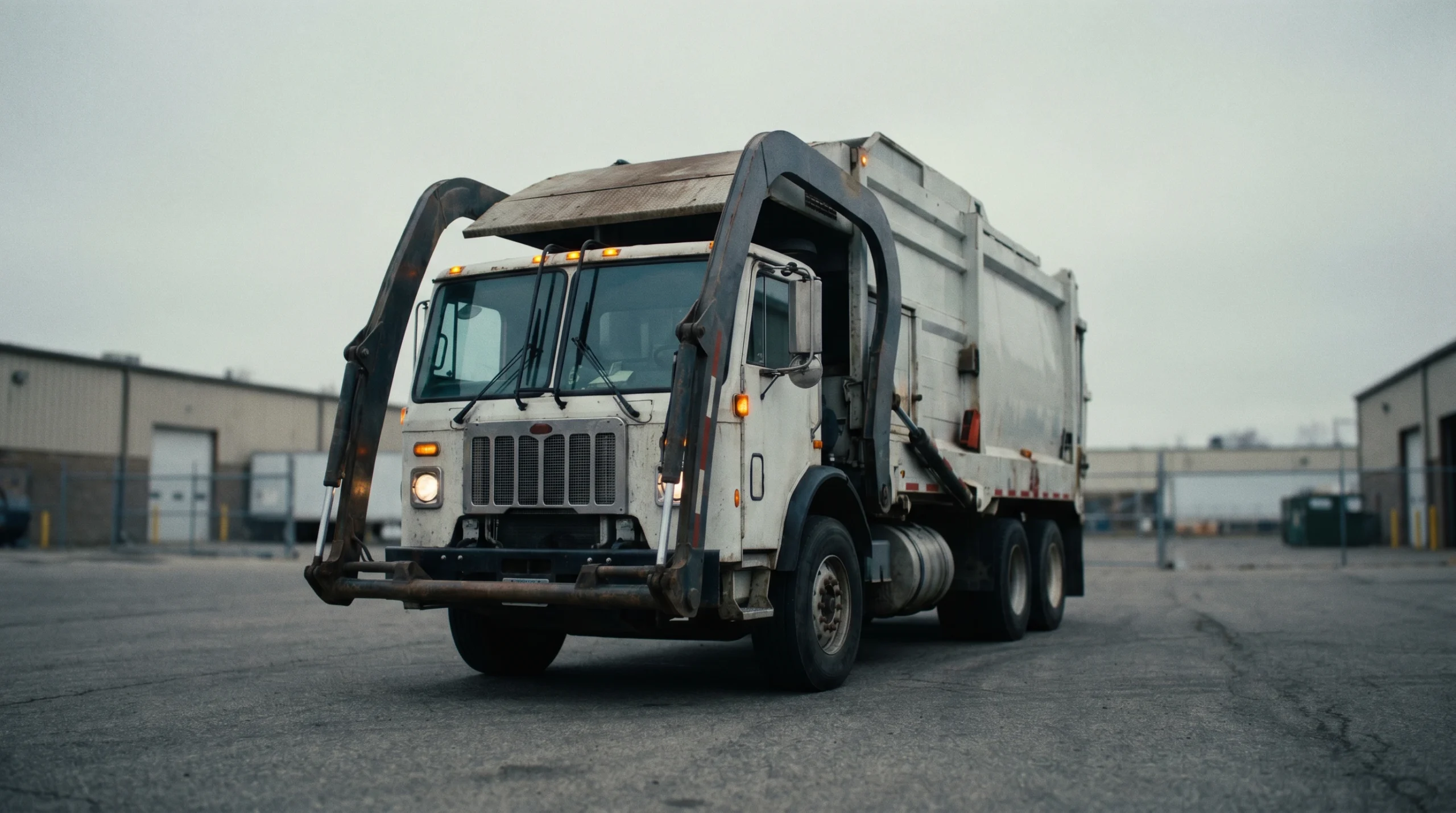
Key Takeaways
- Rear-loading garbage trucks have substantial blind zones directly behind and to the sides of the vehicle, which puts pedestrians, cyclists, and nearby vehicles at elevated risk.
- A garbage truck operated by a government brings different claim rules than one operated by a private waste company, and a negligence claim against the Commonwealth goes to the Board of Claims within one year.
- A brake or equipment failure caused by skipped inspections exposes the operating company to liability beyond the driver’s conduct.
Kentucky Garbage Truck Accident Claims
Garbage trucks operate on residential streets with parked cars, narrow lanes, children on bikes, and pedestrians who do not expect a heavy commercial vehicle to stop and start through their neighborhood.
A garbage truck accident claim seeks damages from the driver or employer whose negligence caused the accident. Liability can be complex, especially when a government operates the truck.
Common Causes of Garbage Truck Accidents
Frequent stops, reversing maneuvers, the physical demands on drivers, and the design of the vehicle set garbage truck routes apart from highway freight trucking.
- 1
Limited Visibility and Blind Spots
Rear-loading garbage trucks have substantial blind zones directly behind and to the sides of the vehicle. A driver who reverses into a driveway or pulls away from a curb without checking for pedestrians or cyclists can cause a fatal accident. Backup cameras and sensors are available safety technologies, and a company that chooses not to equip or maintain them can face that failure in a negligence claim.
- 2
Frequent Stops and Unpredictable Movement
Constant stops along a collection route create repeated chances for rear-end accidents. Drivers who stop without signaling, swing wide into adjacent lanes to reach curbside bins, or reverse without warning are a documented accident cause, and drivers following behind a garbage truck cannot predict its next move.
- 3
Driver Fatigue on Long Routes
Garbage collection routes often start before dawn and extend through the afternoon. Drivers who work back-to-back shifts or are pushed through overtime without adequate rest accumulate fatigue at dangerous levels. Refuse trucks that operate in interstate commerce as commercial motor vehicles are subject to federal hours of service rules.
- 4
Mechanical Failures
Hydraulic systems, compaction mechanisms, brake systems, and rear-view cameras on garbage trucks require regular maintenance. Brake failures are particularly dangerous given the vehicle’s weight, which lengthens its stopping distance. When a company defers or skips required inspections, a brake or equipment failure that causes an accident exposes the company to liability beyond the driver’s conduct.
City Versus Private Garbage Truck Operators
The operator of the garbage truck, a private waste management company (such as Republic Services or Waste Management) or a city or county government, significantly affects the claim.
- Private company: standard commercial vehicle liability rules apply, and the claim is filed against the company’s commercial auto and general liability policies.
- State government: negligence claims against the Commonwealth and its agencies fall within the exclusive jurisdiction of the Board of Claims under KRS 49.040, which caps a single award at $250,000, and must be filed within one year under KRS 49.120.
- City or county government: the operator’s governmental status raises immunity questions a claim against a private company does not.
Kentucky’s 90-day notice rule for claims against a city, KRS 411.110, covers injuries from a defect in a city bridge, street, sidewalk, alley, or other public thoroughfare. Identifying the operator is one of the first steps in a garbage truck accident case.
Other Liable Parties
Responsibility can extend beyond the driver and the waste management company to:
- 1
Vehicle Manufacturer
A manufacturer can be liable when a brake failure, hydraulic failure, or camera or sensor defect contributed to the accident despite proper maintenance.
- 2
Route Manager or Dispatcher
A route manager or dispatcher can share responsibility when unrealistic route timelines or pressure to rush contributed to driver error.
- 3
Property Owners
In some cases, bin placement that forces the truck into unsafe positions on a public road can raise questions about third-party responsibility.
How Sam Aguiar Injury Lawyers Handles Garbage Truck Accident Cases
Sam Aguiar Injury Lawyers handles garbage truck accident claims against private waste companies and government operators.
Bigger Share Guarantee®: clients always walk away with more money than the firm after medical bills, liens, and case expenses are paid. If the client’s share would ever be less than the legal fee, the firm cuts its fee.
- Dedicated three-person team: a top-rated attorney, an experienced case manager, and a skilled legal assistant.
- Flat contingency fee that never increases if your case goes to trial.
- $0 Out-Of-Pocket Forever.
The operator of the truck, a private waste company or a government, decides which claim rules apply to a garbage truck accident. After an accident, the insurance company doesn’t waste time. Neither should you. For a free case review, reach Sam Aguiar Injury Lawyers at 502-888-8888.
Why Clients Choose Sam Aguiar
Ready to Take Action on Your Case?
After a serious injury, medical bills pile up while the insurance company looks for ways to pay you less. Most law firms take their cut first and leave you with whatever is left. Sam Aguiar Injury Lawyers does things differently. With our exclusive Bigger Share Guarantee®, you always get more. Every client gets a dedicated three-person team: an attorney, a case manager, and a legal assistant. We never raise our fee rate if we have to go to court, and you pay $0 Out-Of-Pocket Forever.
Frequently Asked Questions
1Why do garbage trucks have such large blind spots?+
Rear-loading garbage trucks have substantial blind zones directly behind and to the sides of the vehicle because of their size, the placement of the loading mechanism, and the driver’s limited rear visibility. Those blind zones increase the risk to pedestrians and other vehicles nearby.
2Does it make a difference whether the garbage truck was operated by a private company or the city?+
Yes. A private waste management company is generally subject to standard commercial vehicle liability rules, while a claim involving a government-operated garbage truck raises immunity questions, and a claim against the Commonwealth goes to the Board of Claims within one year under KRS 49.120.
3What mechanical failures commonly contribute to garbage truck accidents?+
Failures in hydraulic systems, compaction mechanisms, brake systems, and rear-view cameras can directly contribute to an accident. Each of those systems requires regular maintenance.
4Can driver fatigue be a factor in garbage truck accidents?+
Yes. Garbage collection routes often start before dawn and extend through the afternoon, and fatigue from those hours slows a driver’s reactions in the truck’s frequent stop-and-go conditions.
5Who besides the driver can be responsible for a garbage truck accident?+
Beyond the driver and the waste management company, a vehicle manufacturer can bear responsibility when a brake failure, hydraulic failure, or camera or sensor defect contributed to the accident. A route manager or dispatcher, and in some cases a property owner, can also share responsibility.