
Fayette County And Central Kentucky
Whiplash Claims in Fayette County
Key Takeaways
Lexington Whiplash? We’ve Got Your Back
When a whiplash injury turns your life upside down, you are suddenly forced to deal with painful injuries, missed paychecks, and aggressive insurance adjusters while trying to figure out how to put your life back together. Medical bills start stacking up in your mailbox, and the at-fault driver’s insurance company is already searching for ways to devalue your case.
You should not have to fight an insurer while recovering from a serious injury. At Sam Aguiar Injury Lawyers, we take over the entire burden from day one so you can focus on getting better. Led by Lexington Managing Partner Jon Hollan, our Central Kentucky whiplash team steps in immediately, takes over all calls, shuts down adjuster games, and demands every dollar you are owed. And with our Bigger Share Guarantee®, you always get more while paying $0 Out-Of-Pocket Forever.
About Sam Aguiar Injury Lawyers
Sam Aguiar founded the firm in 2010. From day one, Sam built the firm to be different. More personal client service. Faster results without compromise. Assurance that accident victims always get more.
Forbes recently named Sam one of the country’s 16 Best-In-State personal injury lawyers. He’s frequently invited to present to injury attorneys on topics such as truck accident litigation, law firm operations, and providing an over the top client experience. Sam’s been featured on outlets such as the New York Times, Hulu, ABC’s 20/20, AMC Networks, CNN, Washington Post and more, but where he’s most comfortable and at his best is in the office with clients.
Insurance Company Tactics
The at-fault driver’s insurance company does not waste time. Adjusters contact injured motorists within days of a crash, sounding friendly while executing a specific corporate playbook: demanding recorded statements to twist your words, requesting blanket medical releases to scour your personal history, and dangling fast, low checks before your doctors determine the full severity of your injuries. They push for early settlement because signing an insurance release form terminates your claim permanently, leaving your family to pay for future surgeries, physical therapy, and lost paychecks on your own.
Auto insurers routinely dispute fault, dismiss objective diagnostic scans, and blame pre-existing conditions to justify lowball payouts. The moment Sam Aguiar Injury Lawyers takes your case, that dynamic stops. We formally put the insurance carrier on notice, redirecting every adjuster call, letter, and inquiry directly to our Lexington legal team. You focus on healing while our attorneys demand full compensation.
Our Lexington Team Gets Working Quickly
Having an established legal team right here in Lexington gives your case a distinct advantage. When a case requires on-scene photography, vehicle inspections before a body shop touches the property damage, private surveillance video retrieval from nearby commercial storefronts, or an in-person meeting with a client who cannot drive after surgery, our attorneys and investigators respond the same day.
Roadway evidence disappears fast after a collision. Skid marks wash away, traffic signal timing cycles get recalibrated, and commercial surveillance cameras overwrite recordings within days. We move immediately to lock down the evidence, document your injuries, and begin managing the evidence and claim process.
Traffic Camera Footage
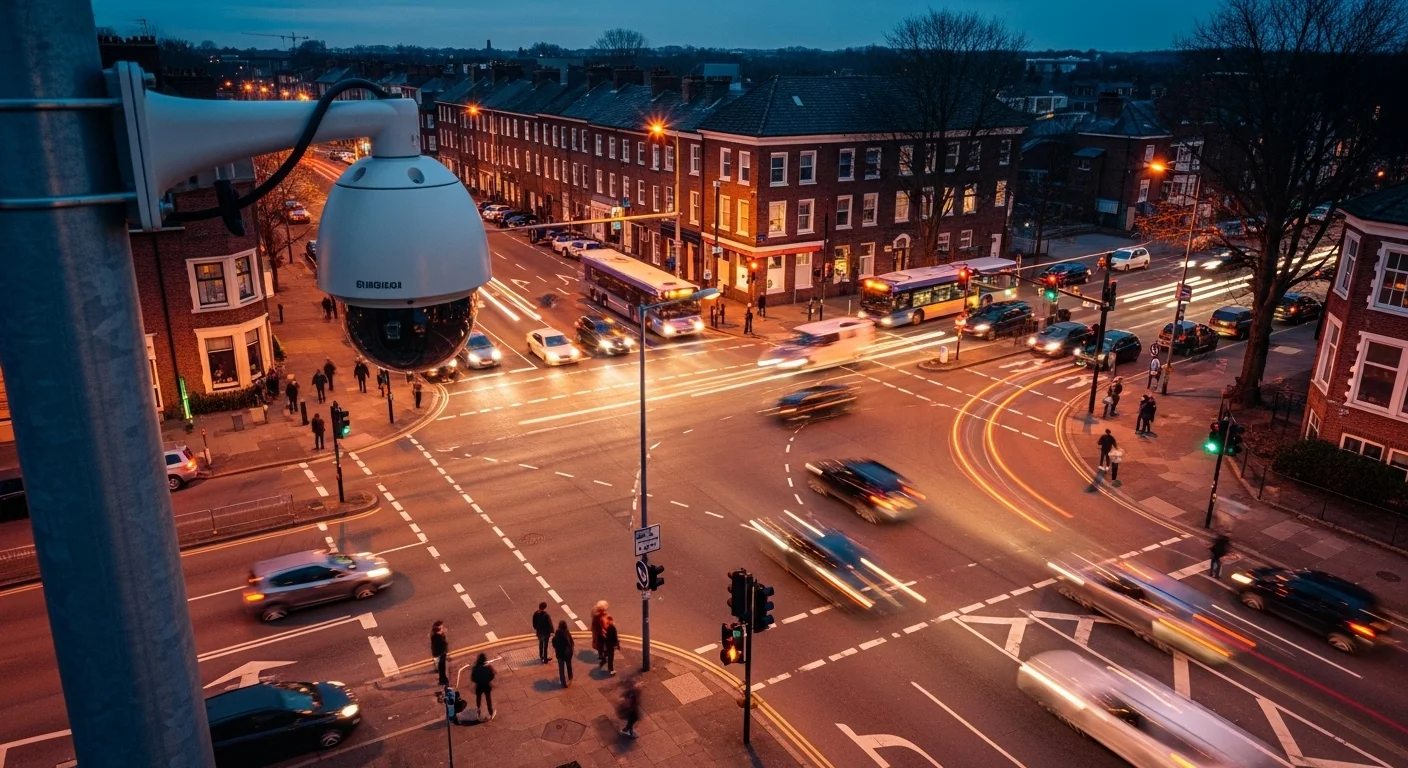
Most fault disputes come down to documentation, and Lexington is one of the better-documented cities in Kentucky. Traffic cameras watch I-75, I-64, New Circle Road, and other major corridors, and our firm pulls recordings through statewide DOT and TriMarc camera databases with archives that reach back about six months.
Whiplash Cases Handled in Lexington
Our Lexington trial lawyers represent people with neck and back injuries after Fayette County crashes, including delayed-onset files the insurer tries to write off as a minor sprain:
Whatever was involved, the structure holds: a three-person team, the camera and records access described below, and the Bigger Share Guarantee® standing behind the fee.
Bigger Share Guarantee®
When choosing a whiplash lawyer, injured clients need to know what money will reach their household after medical bills and legal fees are settled. Through our exclusive Bigger Share Guarantee®, our clients always walk away with more money than the attorney after all medical bills, liens, and case costs are paid. If the math would ever put the firm ahead, we reduce our fee until you walk away with the larger share.
What Comes Next
We Handle The Insurance Company
The other driver’s insurance company usually calls within days. The adjuster sounds friendly, asks for a quick recorded statement, and sometimes floats an early settlement before anyone knows how serious your injuries really are. Every piece of that call is built to serve the insurer, and the push to say yes is the whole point.
Once Sam Aguiar Injury Lawyers takes your case, those calls come to us instead. We put every insurer on notice that you are represented, and from then on the adjusters deal with your legal team, not with you. No one corners you into a recorded statement, and no one pressures you toward a low, early offer while you are still treating.
Why Clients Choose Sam Aguiar
(1 Of 16 Nationwide In PI)
Reaching Back Six Months
Under 7 Months
For Litigation
More Personal Attention
Google Reviews
Insurance companies will try to minimize your pain. We don’t let that happen.
You Focus On Getting Better.
We Handle Everything Else.
Call 24/7 for your free case review: