

Aftermath of a Truck Accident
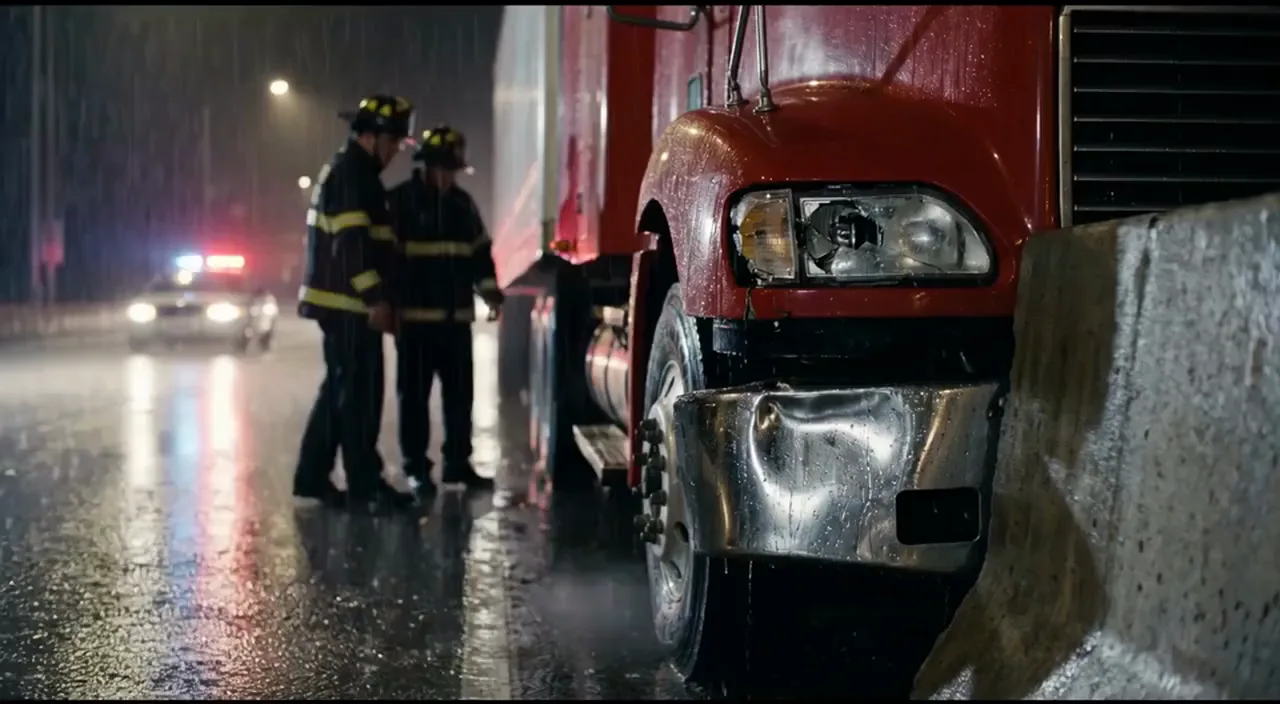
A serious truck accident sets off two timelines at once. One belongs to the injured person: hospital visits, a wrecked vehicle, missed work, and pain that can change by the day. The other belongs to the trucking company, which often has a response team on the case before the injured person leaves the emergency room. That team studies the truck, the driver, the route, the load, and the company records, and it builds the version of events the insurer wants to rely on later. The injured person is rarely told that any of this is already underway.
Accident Evidence Sources
The strongest truck cases are built from many small sources, gathered before they disappear. The litigation side of that evidence is covered in the overview of truck accident discovery. The evidence usually lives in six places:
- Motor carrier information: carrier safety history on FMCSA SAFER, company social media, and employee reviews of how the carrier operates
- Equipment analysis: inspection and data extraction from the truck and the car, including interior contents, brakes, tires, and lighting
- Scene and environment: roadway layout and conditions, skid marks, debris, and nearby business or traffic cameras
- Driver background: social media, court records, and state driving records showing prior violations
- First responder documentation: body camera footage, EMS and police photos, and dispatch notes from the scene
- Witness locators: 911 calls and CAD logs that identify witnesses, tow truck drivers, and people who posted that they saw the accident
Time-Sensitive Records
Truck cases depend on records that are easy to lose. Some sit on the vehicle. Some are held by the motor carrier. Some are controlled by outside vendors. The sooner they are demanded in writing, the better the chance they survive.
Footage from a fleet system, a dash unit, or a nearby business is often held on a loop measured in days, and once it cycles it is gone. Electronic logging data and engine control module readings can be overwritten as the truck keeps running. Dispatch notes, load paperwork, and messages between the driver and the company can be deleted under routine retention. A written preservation demand, sent to the carrier, its insurer, and any vendor that holds the data, stops that clock.
An accident that looks like driver error can trace back to a maintenance failure, a worn tire, an overloaded trailer, or a company decision to keep a vehicle moving when it needed service. Brake work, tire replacement, steering repairs, and prior out-of-service defects all live in maintenance files. Post-accident repairs can erase the physical condition of the truck, so preservation has to happen before the vehicle is repaired, sold, or inspected only by the company’s own team. National context on large-truck accidents is tracked in NHTSA crash data.
Carrier Compliance Files
Trucking cases are framed around the Federal Motor Carrier Safety Regulations, and four parts of Title 49 set what a carrier has to document:
- Driver qualification: hiring, driver fitness, the employment file, and accident history
- Parts and components: equipment defects and missing safety devices
- Hours of service: signs of fatigue, log violations, and electronic logging discrepancies
- Maintenance and inspection: driver vehicle inspection reports and trip inspections
These records often expose the root causes of a preventable truck accident. A risky accident history, an expired medical certificate, hours-of-service violations, defective brakes, or an overdue annual inspection can turn what looked like one driver’s mistake into a company problem the carrier already had reason to know about.
Each part of the regulations answers a different question. The driver qualification file shows whether the carrier should have put this driver behind the wheel at all. The maintenance and inspection records show whether the equipment was road-ready or overdue for service. The hours-of-service data shows whether the driver was rested or pushing past federal limits to make a delivery window. Read together, these records often show causes the accident report never captured.
Event Data Recorder Downloads
Modern trucks record what was happening in the seconds before an accident. An event data recorder or engine control module download shows throttle, braking, and speed, which often settles who reacted and when. The event data recorder standard is at 49 CFR Part 563, and the overview of truck data and technology explains the systems involved.
That data is hard to argue with. A download showing a steady throttle and no braking until the final second describes a driver who was not watching the road, whatever the driver later says happened. The same download can also clear a driver who braked hard and did everything right. Either way, the record is created at the moment of the accident and cannot be revised afterward.
Layered Commercial Coverage
A single serious truck accident can sit under several insurance policies at once: the driver’s coverage, the motor carrier’s primary policy, one or more excess layers, and separate coverage for the trailer, the cargo, and sometimes the broker. Federal financial responsibility minimums for interstate carriers are published at 49 CFR Part 387, and the layers above those minimums are where serious injury claims are paid.
The carrier’s insurer often moves first. It can send an adjuster, a field investigator, and an accident reconstructionist to inspect the truck, download data, photograph the scene, and talk to witnesses within a day or two. That work is part of the company’s claim response, and it is built to limit exposure. When only the company inspects the truck and pulls the data, the file reflects one side. An independent inspection and download keep the evidence honest.
Each insurer above the primary policy has its own adjusters and defense counsel watching the exposure. Early in the case a carrier may issue a reservation-of-rights letter, or two insurers may argue over which policy responds first. That dispute shapes how quickly and how fully the claim gets paid, and identifying the full coverage tower before settlement talks keeps a serious case from being settled against the smallest available policy.
Adjuster Tactics
Most early insurance contact sounds routine. The questions are friendly, and the goal is information that can reduce the case later.
Recorded Statement
A recorded statement is often requested before imaging or a diagnosis. Answers about speed, prior injuries, and pain can be used later to narrow the case.
Quick Offer
A fast check can arrive before surgery, wage loss, or long-term limits are known. Once a release is signed, the case is usually closed.
Surveillance
Investigators and social media checks look for anything that appears to contradict the injuries.
Delay
Repeated document requests and slow responses wear an injured person down toward a smaller number.
None of these tactics are improper on their own. They are how a large case gets managed. The response is the same each time: build the full medical picture and the full company picture first, then deal with the insurer with the evidence in hand.
Parties in the Transportation Chain
Truck cases often involve several businesses because the transportation chain is split into pieces. The driver may work for one company. The truck may be leased. The trailer may be owned elsewhere. A broker may have arranged the load. Each company has to be identified and evaluated against the records, so the right parties stay in the case and the rest are ruled out.
Depending on the facts, early work can include preservation letters to the motor carrier, insurer, trailer owner, broker, shipper, and maintenance vendor, plus a search for nearby video, vehicle photos, scene photographs, and witness statements while they still exist. When the records call for it, the company file comes next: driver qualification files, inspection records, maintenance history, route assignments, and electronic data. The semi-truck accident overview covers how those cases proceed.
A neutral inspection of the brakes, tires, steering, and event data, documented with photographs and measurements, gives the injured person a record that does not depend on the carrier’s account. The vehicle the injured person was in holds evidence too: crush patterns, seatbelt marks, and downloaded data of its own.
What Happens to Your Truck Case Next?
In the days after a truck crash, the carrier is already gathering inspection records, event data and driver statements for its own file. Sam Aguiar Injury Lawyers answers with a dedicated trucking team that goes after the truck’s data and the records of every company in the transportation chain. Under the Bigger Share Guarantee®, you always walk away with more than the firm after bills, liens and case costs. Arrange a free case review.
Frequently Asked Questions
1What truck evidence disappears the fastest?+
2Who can be involved besides the truck driver?+
3Should I give the insurer a recorded statement?+
4Why do truck insurers move so quickly?+
5How is a truck case different from a car accident case?+
Latest Articles
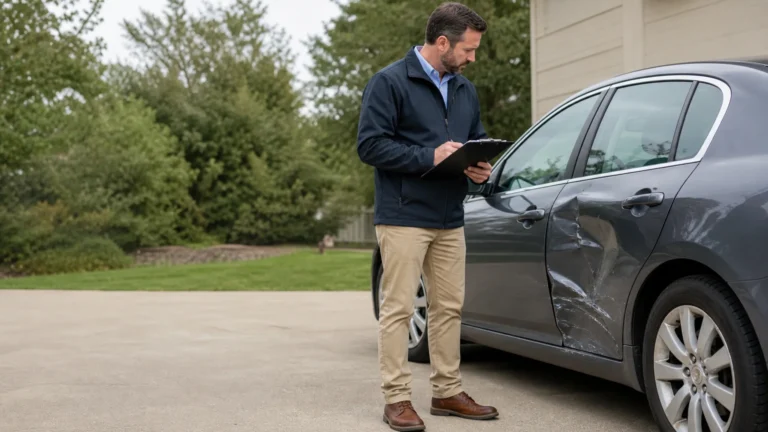
Kentucky Diminished Value Claims
Kentucky drivers may pursue a repaired vehicle’s leftover market loss from the at-fault driver as part of a.
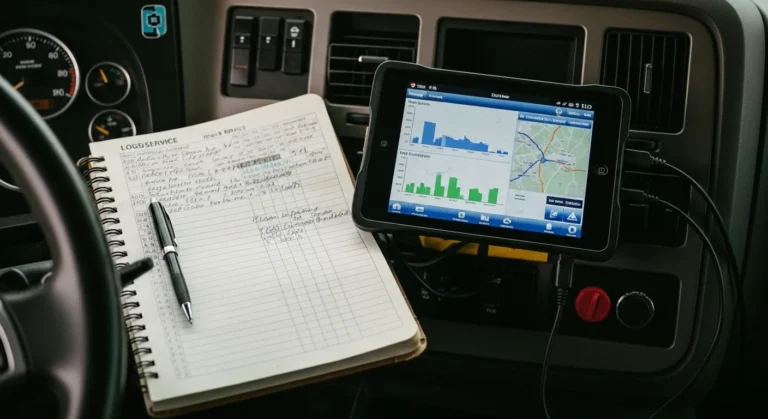
FMCSA Revoked ELDs: Fleet Compliance and Enforcement Deadlines
FMCSA removed five electronic logging devices from the registered list on August 6, 2026, and set an October.
FMCSA English Proficiency Rule and OOS Enforcement
FMCSA English Proficiency Rule Sam Aguiar Injury Lawyers August 11, 2026 7 minute read On This Page.