Self-Driving Car Accident Lawyer in Kentucky
Autonomous vehicle technology is on Kentucky roads — and so is confusion about who pays when it fails. Kentucky’s 2024 autonomous vehicle law creates a clear framework. Our team follows the liability wherever it leads.
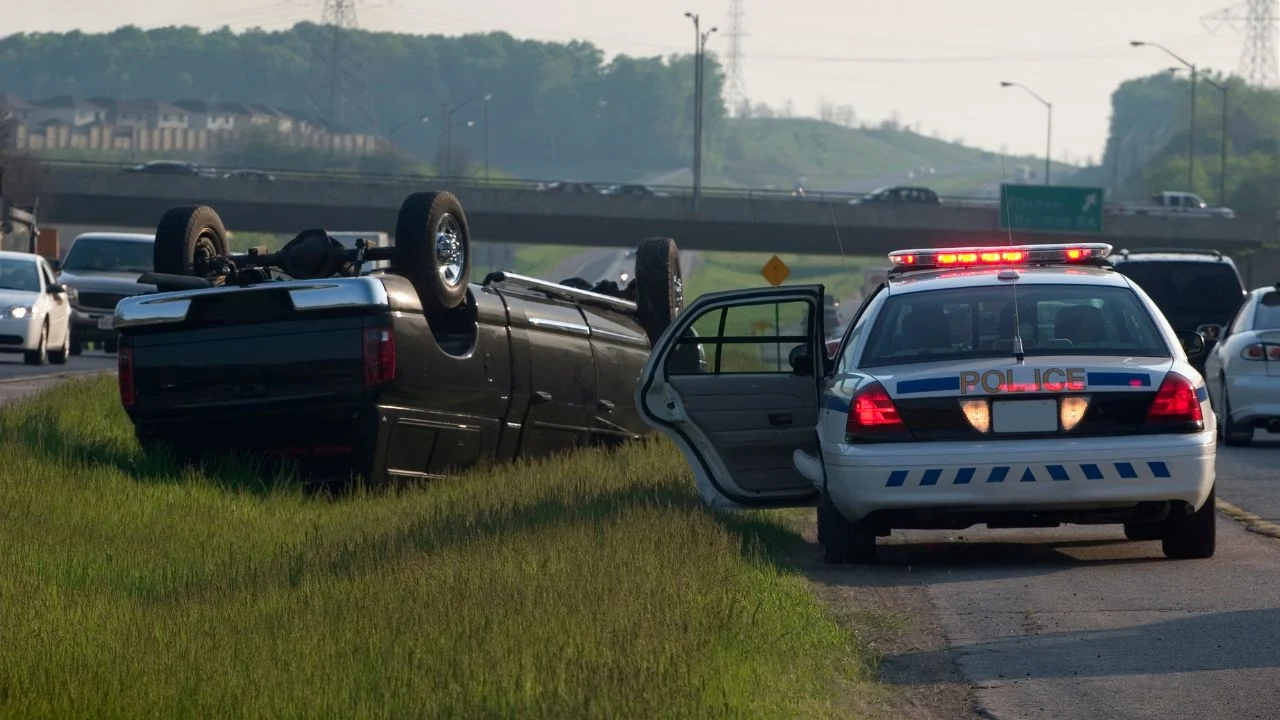
Autonomous vehicles — from Tesla’s Full Self-Driving to Waymo’s fully driverless taxis — are now operating on public roads across the country. NHTSA’s automated vehicle safety program tracks crash data from vehicles equipped with Level 2 through Level 5 autonomous systems and has received thousands of crash reports under its Standing General Order. According to NHTSA data, vehicles with advanced driver assistance systems (ADAS) were involved in over 900 reported crashes in a single year. In Kentucky, House Bill 7 (2024) created a specific legal framework for autonomous vehicles operating on state roads. When an AV crashes and someone is hurt, liability questions are complex — but not unanswerable.
Autonomous Vehicle Crashes: The NHTSA Data
NHTSA’s automated vehicle safety reporting program has documented that AV-involved crashes are a real and growing category of road incidents. Key findings from federal data:
(NHTSA)
(KY HB 7, 2024)
(NHTSA AV Framework)
Kentucky’s Autonomous Vehicle Law: House Bill 7 (2024)
Kentucky enacted House Bill 7 in 2024, creating the state’s first comprehensive framework for autonomous vehicles. Key provisions include:
- Full operation permitted — fully autonomous vehicles may operate on Kentucky public roads under HB 7
- $1 million minimum liability insurance — operators of autonomous vehicles must carry at least $1 million in liability coverage, significantly higher than standard personal auto requirements
- Human operator mandate for large vehicles — vehicles over 62,000 lbs require a human operator until July 31, 2026
- Law enforcement interaction plan required — AV operators must submit a plan describing how the vehicle responds to law enforcement stops
- Operator liability — the AV operator (typically the company deploying the vehicle) bears liability in the absence of a human driver
Who Is the “Operator” Under Kentucky’s AV Law?
For a fully autonomous vehicle with no human driver, the AV operating company — not the occupant or vehicle owner — is treated as the operator under HB 7. This shifts liability from the individual to the corporation. That matters enormously for your case because AV companies carry far more insurance, have deeper pockets, and are subject to different disclosure requirements than individual drivers.
Common Causes of Self-Driving Car Crashes
Software and Algorithm Failures
Autonomous driving systems rely on complex machine learning models to make split-second decisions. These models can fail in edge cases — unusual lighting conditions, construction zone markings, unexpected pedestrian behavior, or scenarios that weren’t represented in the training data. When a software failure causes a crash, liability typically falls on the developer and deployer of the system.
Sensor Malfunctions
AVs use a combination of cameras, lidar (light detection and ranging), radar, and ultrasonic sensors to perceive the environment. Sensor failures — from weather conditions, hardware defects, or software integration errors — can cause the vehicle to misread its surroundings. NHTSA’s AV safety reports document sensor-related failures as a recurring crash factor.
Human Misuse of Semi-Autonomous Features
Many crashes attributed to “autonomous vehicles” actually involve Level 2 systems — like Tesla Autopilot or GM Super Cruise — that require active human supervision. Drivers who treat these systems as fully autonomous (taking hands off the wheel, falling asleep) and then fail to respond to system alerts are a major crash cause. In these cases, both the driver and the manufacturer may share liability depending on how the system was marketed and what warnings were provided.
External Factors and Infrastructure Deficiencies
AV systems depend on clear lane markings, legible signage, and predictable road geometry. Faded lane markings, unusual intersection configurations, or missing signage can confuse AV sensors. In these cases, a government entity responsible for road maintenance may share liability.
Who Can Be Held Liable in a Self-Driving Car Crash
Autonomous vehicle crashes frequently involve multiple potential defendants:
- The AV operating company — for deploying a vehicle with a known or knowable defect, insufficient testing, or inadequate safety systems
- The vehicle manufacturer — for hardware defects in the vehicle platform independent of the AV system
- The software developer — if the AV software was developed by a third party and contained programming errors or inadequate safety architecture
- The human operator or monitor — for Level 2–3 systems where a human is required to supervise and failed to take control when the system requested override
- Third-party maintenance providers — if sensor calibration or hardware maintenance was performed negligently
- Government entities — if road condition failures contributed to the crash
Identifying the correct defendants requires early investigation of the AV’s data logs, system alerts, and pre-crash sensor readings. These records are proprietary and can be overwritten — preserving them through immediate legal action is essential. Our team is experienced in the discovery demands and product liability investigations involved in technology-related crash cases.
Product Liability in AV Crash Cases
When an AV system failure causes a crash, the injured person may have a product liability claim — separate from or in addition to the negligence claim against the operator. Under Kentucky product liability law, a manufacturer can be held liable for:
- Design defects — the AV system’s fundamental architecture was unreasonably dangerous
- Manufacturing defects — a specific vehicle’s sensors or hardware departed from the intended design
- Failure to warn — inadequate disclosures about system limitations or conditions under which the system fails
Several major AV manufacturers — including Tesla and Waymo — have faced federal investigations and congressional scrutiny over system safety. NHTSA has conducted multiple formal investigations into Tesla’s Autopilot and Full Self-Driving systems, resulting in recalls involving millions of vehicles. These investigations and any resulting federal safety findings are admissible evidence in Kentucky product liability cases.
AV crash data disappears fast. Onboard AV systems generate enormous data logs that document the vehicle’s sensor readings, decisions, and alerts in the seconds before a crash. This data can be overwritten or destroyed. Our team moves immediately after a crash to preserve this data through emergency preservation letters and court orders if necessary.
The National Framework: NHTSA’s AV Safety Program
At the federal level, NHTSA’s AV STEP (Automated Vehicle Transparency and Engagement for Safe Testing) program provides a voluntary framework for AV developers to demonstrate safety practices. While NHTSA’s AV framework is currently voluntary for most systems, its guidelines are used by courts and attorneys in AV crash cases to evaluate whether a company’s safety testing and deployment practices met industry standards. A company that deployed an AV without following its own published safety protocols — or without following NHTSA guidance — faces a much stronger negligence case.
Frequently Asked Questions
Are self-driving cars legal in Kentucky?
Yes. Kentucky’s House Bill 7 (2024) permits fully autonomous vehicles to operate on public roads in the state. The law requires operators to carry at least $1 million in liability insurance, mandates a human operator for vehicles over 62,000 lbs until July 31, 2026, and requires a law enforcement interaction plan. Kentucky joins a growing list of states that have proactively authorized AV operation.
Who is at fault when a self-driving car causes an accident?
Liability depends on the automation level and the nature of the failure. For fully autonomous vehicles (Level 4–5), the AV operating company or manufacturer typically bears liability when the system fails. For semi-autonomous systems (Level 2–3) that require human supervision, both the driver and the manufacturer may be liable — the driver for failing to monitor and intervene, and the manufacturer for how the system was designed, marketed, and what warnings were provided. Kentucky’s HB 7 places operator liability on the AV company when no human driver is present.
Can I sue the car manufacturer if an autonomous feature caused my crash?
Yes. If a defect in the AV hardware or software caused or contributed to your crash, you have a product liability claim against the manufacturer and potentially the software developer. These claims are distinct from the negligence claim against the operator. NHTSA investigations and federal safety data — including the agency’s Standing General Order crash reports — can be powerful evidence in product liability cases.
What should I do after a crash involving an autonomous vehicle?
Call 911 and get medical attention immediately. Photograph the scene, the vehicle, and any visible damage. Note the make, model, and any visible AV system indicators (interior screens, roof sensor arrays, decals). Ask the responding officer to note in the police report that the vehicle appeared to be operating with autonomous features. Contact an attorney immediately — AV crash data logs are time-sensitive and require urgent preservation action.
What is the difference between Tesla Autopilot and full self-driving?
Tesla’s Autopilot is a Level 2 driver assistance system that requires the human driver to remain attentive and ready to take control at all times. Tesla’s Full Self-Driving (FSD) system is marketed as more capable but is still classified as Level 2 by NHTSA — meaning human oversight is legally required. Despite the marketing name, Tesla FSD does not eliminate the driver’s responsibility to monitor the road. NHTSA has conducted formal investigations into both systems following fatal crashes.
Start Your Case Review — About 10 Minutes
Tell us about your crash. We’ll review the facts and your options at no charge.