

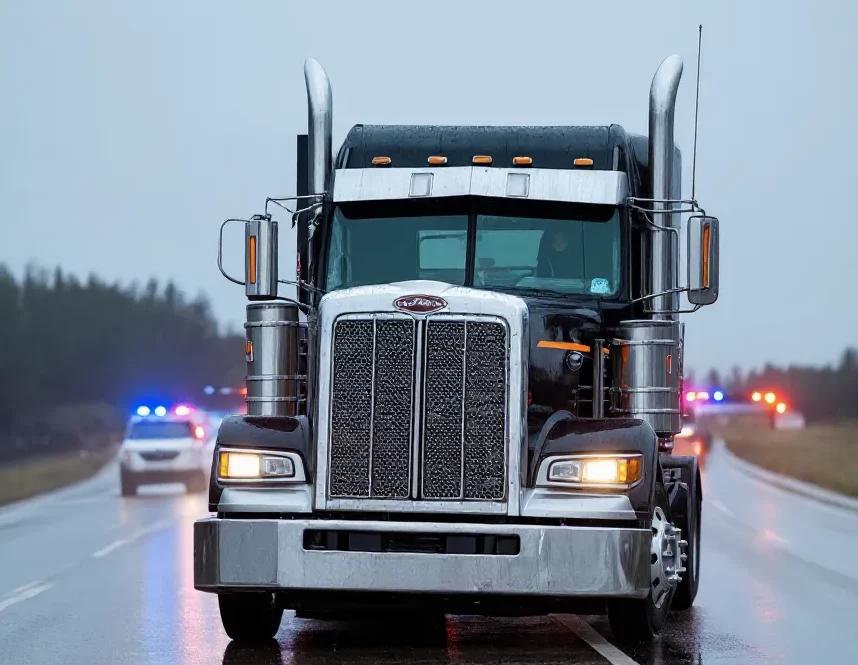
Hours of service violations FOr Truck Drivers
The Federal Motor Carrier Safety Administration (FMCSA) regulates and oversees the safety of commercial motor vehicles. The agency enforces regulations through roadside inspections, audits, and investigations. When drivers or companies are found to violate regulations, the FMCSA can issue fines, remove drivers or vehicles from service, and, in severe cases, revoke their operating authority. The FMCSA has established hours-of-service (HOS) regulations to limit the daily hours a driver can operate a commercial motor vehicle. These regulations are designed to prevent driver fatigue and improve overall road safety.
The HOS regulations apply to drivers of commercial motor vehicles involved in interstate commerce, including those transporting property and passengers.
Drivers must accurately log their hours of service in a Record of Duty Status (RODS) to ensure compliance with these regulations. Electronic logging devices (ELDs) provide a more accurate and tamper-proof method of tracking hours.
Motor carriers must also comply with HOS regulations and ensure their drivers do not violate them. This includes monitoring drivers’ hours of service, providing adequate rest periods, and maintaining accurate records of duty status. The current HOS regulations for property-carrying commercial vehicle drivers state that:
Drivers must take a 30-minute break after 8 consecutive hours of driving.
Drivers cannot drive more than 11 hours in a consecutive 14-hour period.
Once the 14-hour limit is reached, the driver must take a 10-hour break before resuming driving.
Drivers are limited to 60 hours on duty in 7 consecutive days or 70 hours on duty in 8 consecutive days.
Impact of Fatigue
Fatigue can significantly impair a driver’s ability to operate a vehicle safely. It can lead to slower reaction times, decreased vigilance, impaired judgment, and increased risk of falling asleep at the wheel. For commercial vehicle drivers, who often drive large trucks or buses, the consequences of fatigue can be catastrophic, potentially leading to large-scale accidents and loss of life.
Concealment of Hours
Some truck drivers and trucking companies attempt to conceal hours-of-service violations, thereby risking the safety of everyone on the road. Methods of doing so can vary.
Omitting Hours
Some drivers may omit certain hours of service from their logs, such as time spent waiting at loading docks, to reduce the total hours recorded as on duty. This allows them to drive longer than allowed under HOS regulations without it being apparent in their logs.
Duplicate Logbooks
A more blatant method is the use of duplicate logbooks, in which drivers maintain two sets of records: one accurate and the other presented to inspectors or auditors. This allows them to conceal their actual hours of service while presenting falsified compliance.
Editing Electronic Logs
Electronic logs have become increasingly popular in recent years because they provide a more accurate, tamper-proof way to track hours of service. However, some trucking companies may still attempt to edit or falsify electronic logs to avoid HOS violations and the penalties that accompany them. This can be done by changing the date or time stamps in the logs or manually adjusting the recorded hours.
Exploiting System Vulnerabilities
Some electronic logging devices (ELDs) may have system vulnerabilities that allow users to edit logs after the fact. Dishonest drivers or companies can exploit these vulnerabilities to alter records and hide violations.
Unauthorized Access to ELDs
There have been instances in which individuals with technical know-how have gained unauthorized access to ELDs to alter or erase records. This type of tampering can be challenging to detect, leading to significant HOS violations that go unnoticed.
Unauthorized ELD Devices
Some companies may use unauthorized ELD devices that are not compliant with FMCSA standards.
These unauthorized devices may facilitate easier log manipulation, enabling drivers to falsify their hours of service without detection.
Swapping Driver Identification
Drivers may swap their driver identification with each other to spread out hours driven and avoid reaching HOS limits. This is often done in team-driving scenarios where two drivers share the driving but report hours under a single identity to circumvent regulations.
Stolen Credentials
Some drivers resort to using stolen credentials to log into ELD systems. This allows them to drive under someone else’s name, making it harder for authorities to trace HOS violations back to the correct individual.
Fake Driver’s Licenses
Obtaining and using a fake driver’s license is another extreme measure taken to conceal one’s identity and HOS violations. This illegal practice can lead to severe legal consequences if discovered.
Falsifying Records
Falsifying records is a serious offense in the trucking industry, and it can have severe consequences for both the driver and the motor carrier.
When truck drivers falsify their hours-of-service records, they hide the actual time they have spent driving or on duty. This can lead to driver fatigue, significantly increasing the risk of trucking accidents. Fatigued drivers have slower reaction times, impaired judgment, and are more likely to fall asleep at the wheel, putting themselves and other road users in danger.
Motor carriers that allow or encourage drivers to falsify records are equally culpable. These companies may face federal criminal penalties, including hefty fines and potential shutdowns.
The FMCSA takes these violations very seriously, as they undermine the integrity of the HOS regulations and compromise road safety.
In addition to legal penalties, falsifying records can damage the driver’s and the motor carrier’s reputations. It can lead to increased insurance premiums, loss of business, and difficulty in recruiting and retaining quality drivers. The trucking industry relies on trust and compliance with safety regulations, and any breach of this trust can have long-lasting repercussions.
To avoid these severe consequences, drivers and motor carriers must strictly adhere to HOS regulations and maintain accurate records of duty status. Using electronic logging devices (ELDs) can help ensure records are correct and tamper-proof, promoting safety and compliance within the industry.
The primary reason for HOS regulations is to prevent fatigue-related truck accidents.
Violation Consequences
DOT Fines for Hours of Service Violations
Drivers can face fines of $1,000 to $11,000 per offense, and companies can face fines of up to $16,000 per violation.
$19,246
Max Fine Per Carrier Violation
$4,812
Max Fine Per Driver Violation
5,375
Fatal Truck Crashes in 2023
Penalties for Falsifying Records
Falsifying HOS records is a violation that can lead to additional fines and penalties.
Impact on Insurance Premiums
Insurers view HOS violations as indicators of risky behavior, which can lead to higher insurance costs for vehicles and drivers..
Suspension of License or Shutdown of Company
For repeat offenders or those with significant HOS violations, the FMCSA may suspend a driver’s commercial driver’s license (CDL) or even shut down a company’s operations.
Legal Ramifications
In addition to FMCSA penalties, drivers and companies may face legal action by individuals or entities affected by their actions. This can include civil lawsuits seeking damages for crash-related injuries, as well as other regulatory penalties imposed by state or local authorities.
Liability and Risks
In an HOS violation, the driver and the motor carrier can be held liable. The driver is responsible for accurately logging their hours of service and adhering to the HOS regulations. If a driver is found to have falsified their logs or violated HOS rules, they can face fines and penalties and have their commercial driver’s license (CDL) suspended.
Motor carriers, on the other hand, are responsible for ensuring that their drivers comply with HOS regulations. If a motor carrier is found to have knowingly allowed or required a driver to violate HOS rules, it can face federal criminal penalties, fines, and reputational damage.
In addition to the driver and motor carrier, other parties can be held liable for an HOS violation. For example, if a trucking company’s negligence or recklessness leads to a truck accident, they can be liable for damages.
Fleet Management Software
Fleet management software is a tool motor carriers use to monitor and manage their fleet of vehicles efficiently. It helps track vehicle locations, maintenance schedules, fuel usage, and driver behavior.
Fleet management software is essential for complying with Hours of Service (HOS) regulations. It can help motor carriers ensure their drivers adhere to HOS rules by providing real-time visibility into driver activity, including driving hours, rest periods, and regulatory compliance.
Motor carriers can use fleet management software to monitor driver schedules, track hours of service, and receive alerts for potential violations.
This proactive approach helps prevent HOS violations, reducing the risk of fines, penalties, and negative consequences associated with non-compliance.
Overall, fleet management software enhances operational efficiency, promotes safety, and helps motor carriers maintain compliance with HOS regulations, ultimately contributing to a safer, more efficient transportation operation.
To ensure compliance with the HOS regulations and improve road safety, truck drivers should follow best practices, including:
Accurately Logging Hours of Service
Taking Regular Breaks
Avoiding Peak Sleepiness Hours
Listening to the Body
Avoiding High-Risk Traffic Areas
Maintaining a Healthy Lifestyle
Getting Enough Sleep
Minimizing Distractions
ELD and Other Exemptions
Electronic Logging Device requirements don’t apply to all commercial drivers.
Vehicles manufactured before model year 2000, drivers operating under the short-haul exception (within 100 air miles of their work location), and certain specialty operations, such as drive-away/tow-away services, are exempt from ELD mandates.
However, these exemptions don’t eliminate hours-of-service compliance—drivers must still maintain accurate records using paper logs or time cards, and violations can still result in serious accidents when fatigue sets in.
Agriculture
Farm vehicle operators and seasonal agricultural workers are granted significant flexibility under federal hours-of-service rules.
During the planting and harvest seasons (as defined by individual states), agricultural commodity transporters can extend their driving windows and bypass specific rest requirements.
While this exemption recognizes the time-sensitive nature of farming, it also creates dangerous conditions when exhausted drivers operating heavy agricultural equipment share Kentucky’s roads with passenger vehicles.
Adverse Driving Conditions
When unexpected weather, traffic incidents, or road conditions slow travel, drivers can extend their maximum driving time by up to two hours to reach their destination or haven.
This exception requires that the conditions weren’t apparent at the time the trip began and that the driver couldn’t have reasonably known about them during pre-trip planning.
Unfortunately, some drivers and carriers misuse this provision, claiming “adverse conditions” for predictable traffic or weather that should have been anticipated.
Emergency Conditions
During declared emergencies, such as natural disasters or public health crises, FMCSA can suspend hours-of-service regulations for drivers providing direct assistance or essential supplies.
These emergency declarations are specific to geographic areas and timeframes, typically lasting 30 days or less.
While this flexibility serves critical public needs, emergency exemptions can lead to dangerous situations when exhausted drivers continue operating long after the immediate crisis has passed.
Hiring an Attorney
Hiring a lawyer when injured in a tractor-trailer crash is crucial for various reasons. A lawyer experienced in trucking cases possesses in-depth knowledge of the Federal Motor Carrier Safety Regulations (FMCSR), specifically tailored to commercial trucking operations. This allows the lawyer to conduct aggressive discovery to identify the root cause of the crash and any hours-of-service violations committed by the truck driver and the company.
By conducting thorough discovery, a trucking lawyer can gather evidence, including driver logs, electronic logging device (ELD) data, maintenance records, and other relevant information, to build a strong case. This can help prove liability and seek full compensation for the victim.
On the other hand, pitfalls may arise if the crash victim tries to handle the claim without a lawyer or hires a generalist attorney. Without a lawyer focused on trucking cases, the victim may not fully understand the complexities of FMCSA regulations or navigate the legal intricacies of trucking accidents. This could result in a lower settlement amount or even the dismissal of the case due to procedural errors or lack of evidence.
The aftermath of a truck accident can be overwhelming, but you don’t have to face it alone. Contact Sam Aguiar Injury Lawyers today at (502) 888-8888 in Louisville or (859) 888-8000 in Lexington for a free, no-obligation consultation. Remember, with our exclusive Bigger Share Guarantee®, you always get more and never pay fees unless we win your case.
Get More. Get It Faster. Get It With Sam Aguiar.
Dedicated trucking team with Trucking Trial Lawyers Association Top 10 members. $0 out of pocket, forever. With our Bigger Share Guarantee®, you always get more. Forbes 2025 Best-In-State recognized.
We handle everything so you can focus on getting better.