

Kentucky Premises Liability Cases
Injured on someone else’s property? Negligent property owners are responsible for the harm they allow to happen. $0 Out-Of-Pocket. Call 502-888-8888.
What Is Premises Liability in Kentucky?
Premises liability is the area of law that holds property owners and occupiers responsible for injuries that occur on their property due to unsafe or dangerous conditions. In Kentucky, it covers a wide range of situations , from slip-and-fall accidents in grocery stores to injuries from inadequate security in parking garages, swimming pool drownings, and structural code violations that cause collapse.
The core question in every Kentucky premises liability case is whether the property owner knew (or should have known) about the dangerous condition, had a strong opportunity to fix or warn about it, and failed to do so. Property owners are not insurers of everyone who enters their property , but they do have an affirmative duty to maintain reasonably safe conditions for lawful visitors.
Kentucky Visitor Classifications: Your Rights Depend on Your Status
Kentucky law classifies anyone on another person’s property into one of three categories. The classification controls how much protection you receive and what the owner is required to do to keep you safe.
Highest Duty of Care
Business visitors invited onto property for the owner’s commercial benefit , customers, clients, delivery personnel, patients. Property owners must regularly inspect for hazards, promptly repair dangerous conditions, and warn of known risks. Examples: grocery store shoppers, restaurant diners, hospital patients, retail customers.
Moderate Duty of Care
Social guests and others present with the owner’s permission for the visitor’s own purposes. Owners must warn licensees of known hazards that aren’t obvious but are not required to actively inspect and maintain the property. Examples: friends visiting a home, party guests.
Minimal Duty of Care
Persons who enter property without permission. Owners cannot willfully harm trespassers. Exception: the “attractive nuisance” doctrine protects children from hazards likely to lure them, such as pools, abandoned machinery, or construction sites , owners must secure these.
Types of Kentucky Premises Liability Cases We Handle
Premises liability extends well beyond slip-and-fall accidents. Here are the most common types of property injury cases in Kentucky:
Slip and Fall Accidents
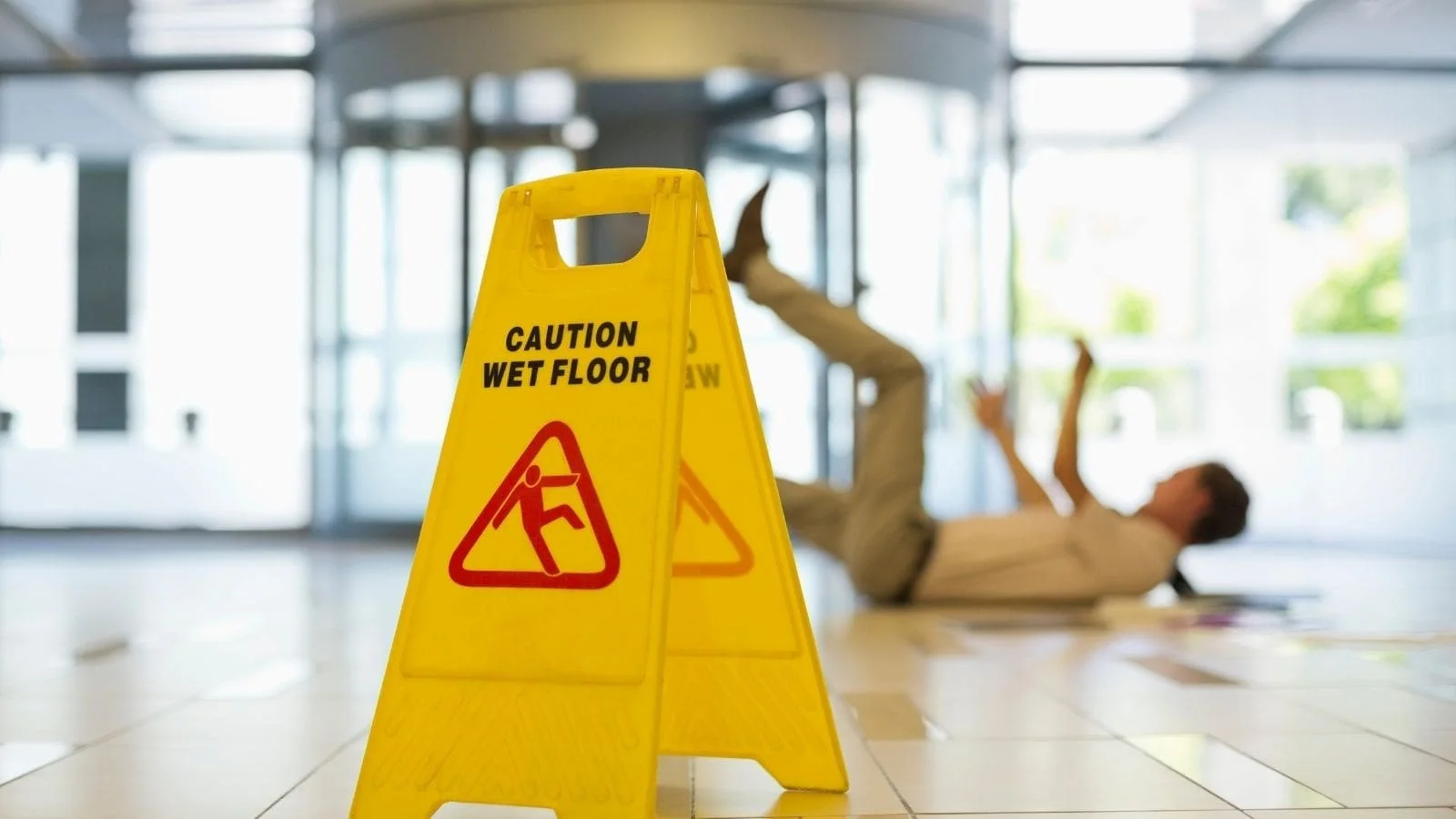
The most common premises liability claim. Wet floors without warning signs, icy parking lots, uneven pavement, broken stairs, and inadequate lighting all qualify. Property owners must clean up spills and hazards promptly , and preserving the scene is critical to proving they didn’t. Owners must clean up spills promptly and warn visitors of known hazards. When they don’t, they’re liable for resulting injuries.
Negligent Security
Property owners , particularly commercial operators like apartment complexes, hotels, parking structures, and retail centers , have a duty to provide strong security to prevent foreseeable criminal acts. When a property owner knows (or should know) that criminal activity has occurred on or near the property and fails to take strong security measures, they may be liable for injuries suffered as a result of crimes on the property.
Inadequate Maintenance and Code Violations
In commercial and industrial settings, preventing workplace slip and fall accidents is an employer obligation under OSHA and Kentucky law.
Structural failures, broken handrails, defective elevators, collapsed flooring, and building code violations can all give rise to premises liability claims. When a property owner ignores known maintenance issues or fails to bring a property up to building codes, they create unstrong hazards for visitors.
Swimming Pool Accidents
Residential and commercial pool operators have significant safety obligations under both Kentucky law and local ordinances. Drownings, diving injuries, and pool-related trauma are among the most serious premises liability claims. Owners must maintain proper fencing, depth markings, safety equipment, and supervision for public-access pools.
Parking Lot Injuries
Poorly maintained parking lots , with potholes, inadequate lighting, lack of security, or icy surfaces , cause thousands of injuries across Kentucky each year. Commercial property owners are responsible for the condition of parking facilities they operate, maintain, or control.
The Open and Obvious Doctrine
Kentucky courts recognize the “open and obvious” doctrine , if a hazard was clearly visible and a reasonable person would have noticed and avoided it, the property owner may not be liable. However, this is not an automatic bar to recovery. If the property owner should have anticipated that visitors would be distracted or unable to avoid the hazard, liability may still exist. This is a nuanced legal question that turns on the specific facts of each case.
Proving a Kentucky Premises Liability Claim
To succeed on a premises liability claim in Kentucky, four elements must be established:
- Duty of care existed , the property owner owed you a duty based on your legal status as a visitor
- Breach of duty , the owner failed to meet that duty by allowing or creating a hazardous condition
- Causation , the owner’s breach directly caused your injury
- Damages , you suffered actual harm, including medical expenses, lost wages, or pain and suffering
Kentucky follows pure comparative fault , if you are found partially responsible for your own injury, your recovery is reduced proportionally, but you are not barred from recovery. Evidence is critical in premises liability cases, and it can disappear quickly. Surveillance footage may be overwritten within days. Hazardous conditions may be repaired before being documented. The sooner you contact an attorney, the better.
Frequently Asked Questions
What types of injuries qualify for a premises liability claim in Kentucky?
How long do I have to file a premises liability claim in Kentucky?
What if the property owner says the hazard was obvious?
Who can be held liable for injuries in a commercial building?
What evidence do I need to support a premises liability claim?
Start Your Free Case Review
Fill out the form below and our team will reach out to discuss your options.