

@import url(‘https://fonts.googleapis.com/css2?family=Poppins:wght@400;500;600;700&display=swap’); .sa-page-wrapper * { font-family: ‘Poppins’, sans-serif !important; box-sizing: border-box !important; } .sa-page-wrapper { max-width: 100% !important; margin: 0 auto !important; padding: 0 !important; color: #0B212D !important; line-height: 1.7 !important; font-size: 17px !important; font-weight: 500 !important; background: #ffffff !important; } .sa-hero { position: relative !important; width: 100vw !important; margin-left: calc(50% – 50vw) !important; min-height: 420px !important; overflow: hidden !important; display: flex !important; align-items: flex-end !important; } .sa-hero img { position: absolute !important; top: 0 !important; left: 0 !important; width: 100% !important; height: 100% !important; object-fit: cover !important; object-position: center !important; z-index: 1 !important; } .sa-hero-overlay { position: absolute !important; top: 0 !important; left: 0 !important; width: 100% !important; height: 100% !important; background: linear-gradient(to top, rgba(11,33,45,0.92) 0%, rgba(11,33,45,0.6) 50%, rgba(11,33,45,0.25) 100%) !important; z-index: 2 !important; } .sa-hero-content { position: relative !important; z-index: 3 !important; padding: 60px 40px 44px !important; max-width: 900px !important; width: 100% !important; text-align: center !important; margin: 0 auto !important; } .sa-hero h1 { font-size: 42px !important; font-weight: 700 !important; line-height: 1.15 !important; color: #ffffff !important; margin: 0 0 16px 0 !important; text-shadow: 0 2px 8px rgba(0,0,0,0.3) !important; } .sa-hero-sub { font-size: 18px !important; font-weight: 500 !important; color: #ffffff !important; line-height: 1.5 !important; margin: 0 !important; } .sa-trust-divider { width: 1px !important; height: 16px !important; background: #0b212d !important; } .sa-content-grid { display: grid !important; grid-template-columns: 1fr 340px !important; gap: 48px !important; max-width: 1200px !important; margin: 0 auto !important; padding: 48px 40px !important; } .sa-main-content h2 { font-size: 28px !important; font-weight: 700 !important; color: #0B212D !important; margin: 40px 0 16px 0 !important; line-height: 1.25 !important; text-align: center !important; } .sa-main-content h2:first-child { margin-top: 0 !important; } .sa-main-content h3 { font-size: 22px !important; font-weight: 600 !important; color: #0B212D !important; margin: 32px 0 12px 0 !important; line-height: 1.3 !important; text-align: center !important; } .sa-main-content p { font-size: 17px !important; line-height: 1.75 !important; color: #0B212D !important; margin: 0 0 18px 0 !important; font-weight: 500 !important; } .sa-main-content a { color: #0B212D !important; text-decoration: underline !important; font-weight: 500 !important; } .sa-main-content a:hover { color: #0B212D !important; } .sa-main-content ul, .sa-main-content ol { margin: 0 0 20px 0 !important; padding-left: 24px !important; } .sa-main-content li { font-size: 17px !important; line-height: 1.75 !important; margin-bottom: 8px !important; color: #0B212D !important; } .sa-snippet { background: #f7f9fa !important; border-left: 4px solid #f89c22 !important; padding: 20px 24px !important; margin: 0 0 32px 0 !important; border-radius: 0 8px 8px 0 !important; font-size: 17px !important; line-height: 1.7 !important; color: #0B212D !important; } .sa-stat-row { display: grid !important; grid-template-columns: repeat(auto-fit, minmax(180px, 1fr)) !important; gap: 16px !important; margin: 28px 0 !important; } .sa-stat-card { background: #fff; border: 2px solid #0b212d; border-radius: 10px; padding: 24px 16px; text-align: center; } .sa-stat-card .sa-stat-number { font-size: 28px; font-weight: 700; color: #0b212d; display: block; line-height: 1.1; margin-bottom: 6px; } .sa-stat-card .sa-stat-label { font-size: 16px; font-weight: 600; color: #f89c22; line-height: 1.4; } .sa-callout { background: #0B212D !important; border-radius: 12px !important; padding: 28px 32px !important; margin: 32px 0 !important; color: #ffffff !important; } .sa-callout h3 { color: #f89c22 !important; font-size: 20px !important; font-weight: 700 !important; margin: 0 0 12px 0 !important; } .sa-callout p { color: #ffffff !important; font-size: 17px !important; line-height: 1.65 !important; margin: 0 0 12px 0 !important; } .sa-callout p:last-child { margin-bottom: 0 !important; } .sa-callout ul { margin: 10px 0 0 0 !important; padding-left: 20px !important; } .sa-callout li { color: #ffffff !important; font-size: 17px !important; line-height: 1.7 !important; margin-bottom: 6px !important; } .sa-callout a { color: #ffffff !important; text-decoration: underline !important; font-weight: 600 !important; } .sa-callout a:hover { color: #f89c22 !important; } .sa-steps { margin: 28px 0 !important; padding: 0 !important; list-style: none !important; counter-reset: step-counter !important; } .sa-steps li { counter-increment: step-counter !important; position: relative !important; padding: 20px 20px 20px 68px !important; margin-bottom: 16px !important; background: #f7f9fa !important; border-radius: 10px !important; border: 1px solid #e5e9ec !important; } .sa-steps li::before { content: counter(step-counter) !important; position: absolute !important; left: 16px !important; top: 18px !important; width: 36px !important; height: 36px !important; background: #0B212D !important; color: #ffffff !important; font-size: 16px !important; font-weight: 700 !important; border-radius: 50% !important; display: flex !important; align-items: center !important; justify-content: center !important; } .sa-steps li strong { display: block !important; font-size: 17px !important; font-weight: 600 !important; color: #0B212D !important; margin-bottom: 4px !important; } .sa-steps li p { font-size: 17px !important; color: #0b212d !important; margin: 0 !important; line-height: 1.65 !important; } .sa-faq-section { margin: 40px 0 !important; } .sa-faq-section h2 { font-size: 28px !important; color: #0B212D !important; margin-bottom: 20px !important; text-align: center !important; } .sa-faq-item { border: 1px solid #e5e9ec !important; border-radius: 10px !important; margin-bottom: 12px !important; overflow: hidden !important; } .sa-faq-question { background: #f7f9fa !important; padding: 18px 52px 18px 20px !important; cursor: pointer !important; font-size: 17px !important; font-weight: 600 !important; color: #0B212D !important; position: relative !important; list-style: none !important; } .sa-faq-question::-webkit-details-marker { display: none !important; } .sa-faq-question::after { content: ‘+’ !important; position: absolute !important; right: 20px !important; top: 50% !important; transform: translateY(-50%) !important; font-size: 22px !important; color: #f89c22 !important; font-weight: 700 !important; } details[open] .sa-faq-question::after { content: ‘2212’ !important; } .sa-faq-answer { padding: 16px 20px 20px !important; font-size: 17px !important; line-height: 1.7 !important; color: #0B212D !important; } .sa-sidebar { overflow: visible !important; } .sa-sidebar-cta { background: #0B212D !important; border-radius: 14px !important; padding: 32px 28px !important; margin-bottom: 24px !important; text-align: center !important; } .sa-sidebar-cta h3 { color: #ffffff !important; font-size: 22px !important; font-weight: 700 !important; margin: 0 0 8px 0 !important; } .sa-sidebar-cta p { color: #ffffff !important; font-size: 17px !important; line-height: 1.55 !important; margin: 0 0 20px 0 !important; } .sa-sidebar-cta .sa-phone-link { display: block !important; background: #0B212D !important; color: #FFFFFF !important; font-size: 20px !important; font-weight: 700 !important; padding: 14px 20px !important; border: 2px solid #f89c22 !important; border-radius: 8px !important; text-decoration: underline !important; margin-bottom: 12px !important; box-shadow: 0 4px 16px rgba(248,156,34,.18), 0 2px 6px rgba(0,0,0,.1) !important; } .sa-sidebar-cta .sa-phone-link:hover { background: #0b212d !important; color: #f89c22 !important; text-decoration: underline !important; box-shadow: 0 4px 16px rgba(248,156,34,.18), 0 2px 6px rgba(0,0,0,.1) !important; } .sa-sidebar-cta .sa-phone-label { font-size: 17px !important; color: #ffffff !important; margin-bottom: 4px !important; display: block !important; font-weight: 500 !important; } .sa-sidebar-guarantee { background: #0b212d !important; border-radius: 14px !important; padding: 24px !important; text-align: center !important; margin-bottom: 24px !important; border: 2px solid #f89c22 !important; box-shadow: 0 4px 16px rgba(248,156,34,.18), 0 2px 6px rgba(0,0,0,.1) !important; } .sa-sidebar-guarantee h4 { color: #f89c22 !important; font-size: 20px !important; font-weight: 700 !important; margin: 0 0 8px 0 !important; } .sa-sidebar-guarantee p { color: #fff !important; font-size: 17px !important; line-height: 1.55 !important; margin: 0 !important; font-weight: 500 !important; } .sa-sidebar-trust { background: #f7f9fa !important; border: 1px solid #e5e9ec !important; border-radius: 14px !important; padding: 24px !important; } .sa-sidebar-trust h4 { color: #0B212D !important; font-size: 18px !important; font-weight: 700 !important; margin: 0 0 14px 0 !important; text-align: center !important; } .sa-sidebar-trust ul { list-style: none !important; padding: 0 !important; margin: 0 !important; } .sa-sidebar-trust li { font-size: 16px !important; color: #0B212D !important; padding: 8px 0 !important; border-bottom: 1px solid #e5e9ec !important; font-weight: 500 !important; display: flex !important; align-items: center !important; gap: 8px !important; } .sa-sidebar-trust li:last-child { border-bottom: none !important; } .sa-sidebar-trust li::before { content: ‘✓’ !important; color: #f89c22 !important; font-weight: 700 !important; font-size: 16px !important; } .sa-highlight-box { background: #fff8ee !important; border: 2px solid #f89c22 !important; border-radius: 10px !important; padding: 22px 26px !important; margin: 28px 0 !important; } .sa-highlight-box p { margin: 0 !important; font-size: 17px !important; color: #0B212D !important; line-height: 1.7 !important; } .sa-highlight-box strong { color: #0B212D !important; } /* Cost table */ .sa-cost-table { width: 100% !important; border-collapse: collapse !important; margin: 20px 0 28px 0 !important; border-radius: 10px !important; overflow: hidden !important; border: 1px solid #e5e9ec !important; } .sa-cost-table thead th { background: #0B212D !important; color: #ffffff !important; font-size: 16px !important; font-weight: 600 !important; padding: 14px 16px !important; text-align: left !important; } .sa-cost-table tbody td { padding: 12px 16px !important; font-size: 16px !important; color: #0B212D !important; border-bottom: 1px solid #e5e9ec !important; } .sa-cost-table tbody tr:last-child td { border-bottom: none !important; } .sa-cost-table tbody tr:nth-child(even) { background: #f7f9fa !important; } .sa-cost-table tbody td:first-child { font-weight: 600 !important; color: #0B212D !important; } /* GF visibility fix, force forms visible on desktop */ .sa-trust-strip { background: #ffffff !important; padding: 16px 0 !important; width: 100vw !important; margin-left: calc(50% – 50vw) !important; border-top: 3px solid #f89c22 !important; border-bottom: 3px solid #f89c22 !important; overflow: hidden !important; } .sa-trust-strip-inner { display: flex !important; align-items: center !important; justify-content: space-evenly !important; max-width: 1280px !important; margin: 0 auto !important; padding: 0 32px !important; } .sa-trust-strip-item { display: flex !important; flex-direction: column !important; align-items: center !important; justify-content: center !important; text-align: center !important; padding: 0 16px !important; flex: 1 !important; } .sa-trust-strip-accent { color: #0B212D !important; font-size: 16px !important; font-weight: 700 !important; line-height: 1.25 !important; white-space: nowrap !important; } .sa-trust-strip-text { color: #f89c22 !important; font-size: 16px !important; font-weight: 600 !important; line-height: 1.3 !important; margin-top: 2px !important; } .sa-trust-strip-divider { width: 1px !important; height: 36px !important; background: #0B212D !important; flex-shrink: 0 !important; } .sa-trust-strip-4th, .sa-trust-strip-4th-divider { display: flex !important; } @media (max-width: 768px) { /* Hide form section + sidebar form on mobile */ .sa-sidebar-cta .sa-hero { min-height: 320px !important; } .sa-hero h1 { font-size: 28px !important; } .sa-hero-content { padding: 36px 20px 32px !important; } .sa-content-grid { grid-template-columns: 1fr !important; padding: 32px 20px !important; gap: 32px !important; } .sa-sidebar { } .sa-main-content h2 { font-size: 24px !important; } .sa-main-content h3 { font-size: 19px !important; } .sa-main-content p, .sa-main-content li { font-size: 16px !important; } .sa-stat-row { grid-template-columns: 1fr 1fr !important; } .sa-cost-table { font-size: 13px !important; } .sa-cost-table thead th, .sa-cost-table tbody td { padding: 10px 10px !important; font-size: 13px !important; } } @media (max-width: 400px) { .sa-hero h1 { font-size: 24px !important; } .sa-stat-row { grid-template-columns: 1fr !important; } } /* ── Trust strip (Bowling Green style) ── */ @media (min-width: 1100px) { } @media (max-width: 520px) { } .sa-stat-card .sa-stat-source a, .sa-stat-card small a { color: #0B212D !important; text-decoration: underline !important; } .sa-stat-card .sa-stat-source a:hover, .sa-stat-card small a:hover { color: #F89C22 !important; } .sa-main-content h2{text-align:center !important;} .sa-main-content h3{text-align:center !important;} .sa-faq-section h2{text-align:center !important;}
Kentucky spinal cord injury attorney sam aguiar injury lawyers

Kentucky Spinal Cord Injury Attorney

A spinal cord injury changes everything in an instant.

Forbes Best-In-State 2025 1 of Only 2 Selected from Kentucky
Bigger Share Guarantee® You Always Get More
1,000+ Five-Star Reviews 4.9/5 Overall Rating
$0 Out-Of-Pocket Forever We’re Not Paid Unless You Are

Spinal cord injuries are among the most catastrophic consequences of car accidents, truck collisions, and other preventable trauma. Approximately 18,000 new spinal cord injuries occur in the United States each year, with vehicle crashes causing more than one-third of all cases. Lifetime costs can exceed $4.7 million. At Sam Aguiar Injury Lawyers, we handle complex spinal cord injury cases across Kentucky and fight for the full compensation our clients need. Call (502) 888-8888 for a free case review.

The Devastating Impact of Spinal Cord Injuries

Globally, over 15 million people are living with spinal cord injuries. In the United States alone, approximately 18,000 new cases occur annually, with the average age at injury now 44 years old. Approximately 78% of new SCI cases are male. Motor vehicle collisions are responsible for nearly half of all spinal cord injuries, with most affecting the cervical region.

The financial toll is staggering. According to the Christopher & Dana Reeve Foundation, the estimated lifetime costs directly attributable to spinal cord injury are:

Severity of Injury First Year Each Year After Lifetime (Age 25)
High Tetraplegia (C1–C4) $1,064,716 $184,891 $4,724,181
Low Tetraplegia (C5–C8) $769,351 $113,423 $3,451,781
Paraplegia $518,904 $68,739 $2,310,104
Incomplete Motor Function $347,484 $42,206 $1,578,274

These figures do not include indirect costs such as lost wages, lost fringe benefits, and lost productivity, which average an additional $71,961 per year. When you add it all up, the true lifetime cost of a spinal cord injury can range from $1.9 million to over $10 million.

How Spinal Cord Injuries Happen in Accidents

Motor vehicle collisions cause spinal cord injuries through several distinct mechanisms:

  • Compression injuries , Direct force from a collision compresses the spinal cord, causing bruising, damage, or complete severance
  • Acceleration-deceleration injuries , Sudden stopping or direction changes cause the head and body to move at different rates, placing extreme stress on the spinal column
  • Penetrating injuries , In severe accidents, foreign objects or bone fragments may penetrate the spinal area, causing direct damage to the cord

Types of Spinal Cord Injuries

Injury Locations

  • Cervical Injuries (C1–C7) , Injuries to the neck vertebrae are the most common in vehicle crashes. While seatbelts protect the chest and waist, the head and neck remain relatively unrestrained during frontal and side impacts. These injuries can affect all four limbs (tetraplegia) and are often the most severe.
  • Thoracic Injuries (T1–T12) , The thoracic vertebrae extend through the upper and middle back, connecting to the ribs. Injuries here can lead to permanent nerve damage and paralysis of the lower body (paraplegia).
  • Lumbar Injuries (L1–L5) , Located in the lower back, these are the largest vertebrae. Car accidents frequently cause lumbar sprains, strains, and fractures in this region.

Complete vs. Incomplete Injuries

Complete spinal cord injuries result in total loss of motor and sensory function below the injury site. Recovery is extremely challenging, and many patients experience permanent disability.

Incomplete spinal cord injuries involve partial damage, allowing some degree of function below the injury. Among tetraplegia cases, incomplete injuries account for approximately 47.8% of traumatic cases, and the prognosis for recovery is generally better.

Common Specific Injuries We See

  • Whiplash , A cervical spine injury caused by rapid back-and-forth neck movement during collision
  • Vertebral fractures , Ranging from minor compression fractures to severe burst fractures requiring surgery
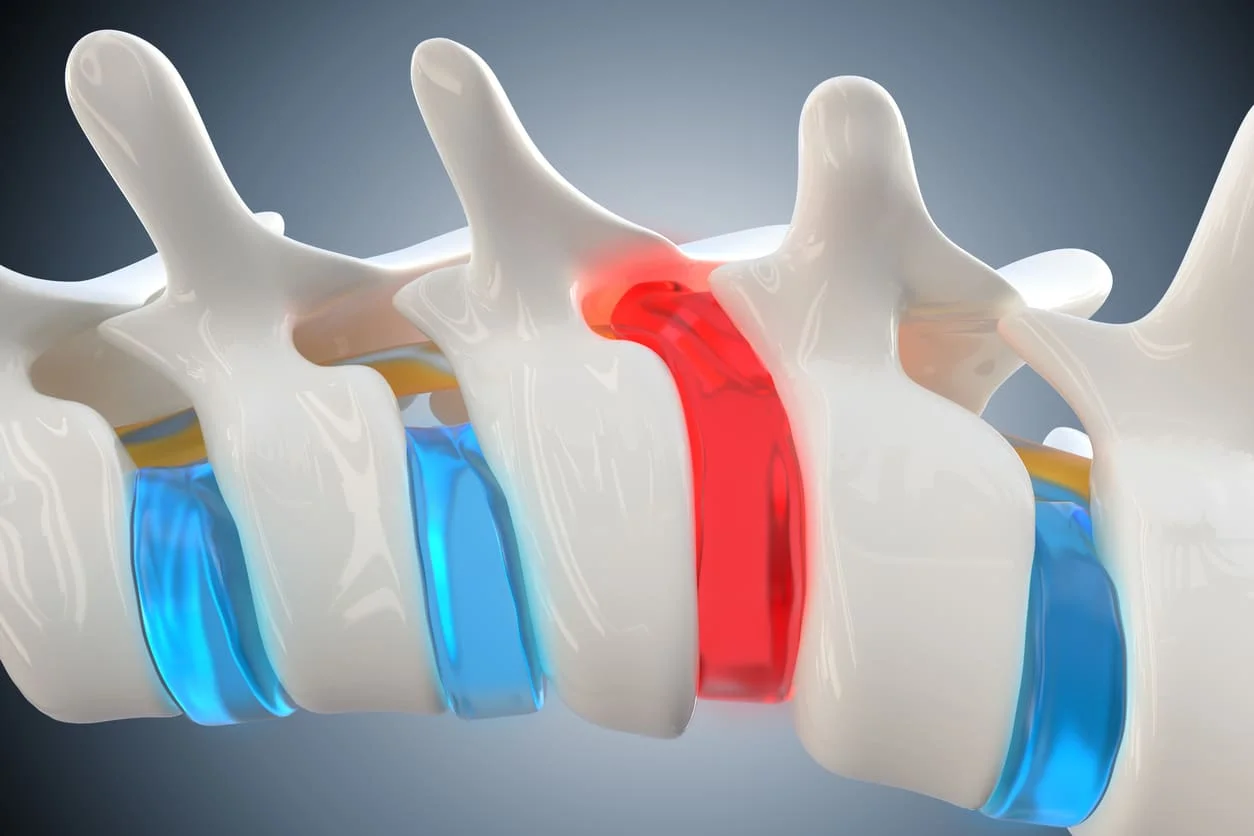
  • Herniated discs , The soft inner material of a spinal disc protrudes through a tear, compressing adjacent nerves
  • Spinal cord contusions and lacerations , Direct impact bruises or tears the cord, causing temporary or permanent neurological impairment

Recognizing a Spinal Cord Injury

Recognizing the signs of a spinal cord injury after an accident is critical for timely medical intervention. Symptoms that may indicate a spinal injury include:

  • Intense back or neck pain
  • Numbness or tingling in the extremities
  • Weakness or paralysis in any limb
  • Loss of bladder or bowel control
  • Difficulty breathing
  • A visibly misaligned spine or neck

If you experience any of these symptoms after an accident, seek emergency medical care immediately. Early intervention can significantly improve outcomes. Do not allow anyone other than qualified emergency medical personnel to move you, except to escape an immediate threat to life.

Treatment and Long-Term Recovery

Emergency and Acute Care

The initial management of spinal cord injuries focuses on preventing further damage and stabilizing the patient. Proper handling at the accident scene is critical,the “golden hour” after trauma is when appropriate interventions can significantly impact survival and reduce permanent disability. Emergency treatment includes diagnostic imaging (CT scans, MRIs, X-rays), steroid medication to reduce inflammation, and surgical intervention to remove bone fragments, foreign objects, or herniated discs compressing the cord.

Rehabilitation

The treatment and rehabilitation process for spinal cord injuries is long, expensive, and requires a multidisciplinary team approach:

  • Physical therapy , Targeted exercises to build strength, improve mobility, range of motion, standing, walking, and wheelchair transfers
  • Occupational therapy , Strategies for daily activities, adaptive equipment, and environmental modifications
  • Psychological support , People with SCI have higher risks of depression and suicidal ideation; mental healthcare is essential
  • Assistive technology , Wheelchairs, braces, walking devices, home modifications (ramps, widened doorways, accessible bathrooms), vehicle modifications, and communication devices

How Sam Aguiar Injury Lawyers Fights for SCI Victims

Spinal cord injury cases are among the most complex in personal injury law. The stakes are enormous, the medical evidence is intricate, and insurance companies routinely try to minimize claims worth millions. Here is how we approach these cases:

  1. complete Case Evaluation

    We assess the full extent of your injuries, current medical expenses, projected future care needs, lost earning capacity, and the long-term impact on your quality of life. We work with medical and economic experienceds to build an accurate picture of what your case is truly worth.

  2. Medical Evidence and experienced Coordination

    SCI cases require focused medical knowledge. We work with neurosurgeons, physiatrists, rehabilitation dedicated team, and life care planners to substantiate your claim and project lifetime costs with precision.

  3. Aggressive representation Against Insurers

    Insurance companies have sophisticated tools and experienced adjusters working to undervalue your claim. We know their playbook and fight to ensure they do not minimize your pain and suffering, future medical needs, or lost income.

  4. Full Support Beyond the Legal Case

    We coordinate medical treatment, help with rental vehicles and property damage, take care of with insurance paperwork, and connect you to rehabilitation and support resources. You focus on recovery; we handle everything else.

Bigger Share Guarantee® , You always take home more. Our no increased litigation fees contingency fee never increases when litigation begins. Most firms raise to 40–45% the moment a lawsuit is filed. On a multi-million-dollar spinal cord injury case, that 5–10% difference can mean hundreds of thousands of dollars more in your pocket. $0 Out-Of-Pocket, forever.

Accident Types That Cause Spinal Cord Injuries

Sam Aguiar Injury Lawyers handles spinal cord injury cases arising from all types of vehicle accidents across Kentucky, including:

Spinal Cord Injury , Frequently Asked Questions

How much is a spinal cord injury case worth?

The value of a spinal cord injury case depends on the severity and location of the injury, your age, the impact on your earning capacity, and the extent of your future medical needs. Lifetime costs for a high tetraplegia injury sustained at age 25 can exceed $4.7 million in direct medical costs alone, not including lost wages. An experienced SCI attorney works with medical and economic experienced professionals to calculate the true value of your case and fights to recover the full amount.

What compensation can I recover after a spinal cord injury?

Spinal cord injury victims may recover compensation for past and future medical expenses (surgery, rehabilitation, medication, assistive devices), lost wages and lost earning capacity, pain and suffering, emotional distress, loss of enjoyment of life, home and vehicle modifications, and in-home care costs. In cases involving gross negligence, punitive damages may also be available.

How long do I have to file a spinal cord injury lawsuit in Kentucky?

Under KRS 413.140, Kentucky’s statute of limitations for personal injury claims is one year from the date of the accident. However, the discovery rule may extend this deadline in some circumstances. Acting quickly is critical,evidence deteriorates, witnesses forget details, and important records can be lost. Contact an attorney as soon as possible after your injury.

What if I am partially at fault for the accident that caused my spinal cord injury?

Kentucky follows a pure comparative fault system under KRS 411.182. This means you can still recover compensation even if you were partially at fault, but your award will be reduced by your percentage of fault. For example, if you are found 20% at fault and your damages total $2 million, you would receive $1.6 million. An experienced attorney can help minimize any fault attributed to you.

Why should I hire a spinal cord injury lawyer instead of handling the claim myself?

SCI cases involve complex medical evidence, massive financial stakes, and insurance companies with teams of adjusters and attorneys working to minimize your payout. Without experienced legal representation, you risk accepting a settlement that covers only a fraction of your lifetime needs. A dedicated SCI attorney works with medical experienced professionals to calculate the true cost of your injury, fights aggressive insurer tactics, and ensures your future is protected.

Does Sam Aguiar Injury Lawyers charge upfront fees for spinal cord injury cases?

No. We work on a contingency fee basis,you pay nothing unless we win your case. Our Bigger Share Guarantee® means our no increased litigation fees fee never increases, even if your case goes to trial. Most firms raise their fee to 40–45% at litigation. On a multi-million-dollar SCI case, that difference can mean hundreds of thousands more in your pocket.

Spinal Cord Injury?

Call Sam Aguiar. Available 24/7 , average 10-minute call to qualify your case.

Louisville (502) 888-8888

Bigger Share Guarantee®

You Always Get More

Why SCI Victims Choose Us

  • Forbes Best-In-State 2025 , 1 of 2 in KY
  • Super Lawyers 2017–2026
  • Courier Journal Community Choice 2025
  • 1,000+ five-star Google reviews (4.9/5)
  • 40+ Seven-Figure Results Since 2020
  • Medical experienced professionals and life care planner network
  • No increased litigation fees , ever
  • $0 Out-Of-Pocket Forever
{ “@context”: “https://schema.org”, “@type”: “FAQPage”, “mainEntity”: [ { “@type”: “Question”, “name”: “How much is a spinal cord injury case worth?”, “acceptedAnswer”: { “@type”: “Answer”, “text”: “The value of a spinal cord injury case depends on the severity and location of the injury, your age, the impact on your earning capacity, and the extent of your future medical needs. Lifetime costs for a high tetraplegia injury sustained at age 25 can exceed $4.7 million in direct medical costs alone, not including lost wages. An experienced SCI attorney works with medical and economic experienced professionals to calculate the true value of your case and fights to recover the full amount.” } }, { “@type”: “Question”, “name”: “What compensation can I recover after a spinal cord injury?”, “acceptedAnswer”: { “@type”: “Answer”, “text”: “Spinal cord injury victims may recover compensation for past and future medical expenses (surgery, rehabilitation, medication, assistive devices), lost wages and lost earning capacity, pain and suffering, emotional distress, loss of enjoyment of life, home and vehicle modifications, and in-home care costs. In cases involving gross negligence, punitive damages may also be available.” } }, { “@type”: “Question”, “name”: “How long do I have to file a spinal cord injury lawsuit in Kentucky?”, “acceptedAnswer”: { “@type”: “Answer”, “text”: “Under KRS 413.140, Kentucky’s statute of limitations for personal injury claims is one year from the date of the accident. However, the discovery rule may extend this deadline in some circumstances. Acting quickly is critical,evidence deteriorates, witnesses forget details, and important records can be lost. Contact an attorney as soon as possible after your injury.” } }, { “@type”: “Question”, “name”: “What if I am partially at fault for the accident that caused my spinal cord injury?”, “acceptedAnswer”: { “@type”: “Answer”, “text”: “Kentucky follows a pure comparative fault system under KRS 411.182. This means you can still recover compensation even if you were partially at fault, but your award will be reduced by your percentage of fault. For example, if you are found 20% at fault and your damages total $2 million, you would receive $1.6 million.” } }, { “@type”: “Question”, “name”: “Why should I hire a spinal cord injury lawyer instead of handling the claim myself?”, “acceptedAnswer”: { “@type”: “Answer”, “text”: “SCI cases involve complex medical evidence, massive financial stakes, and insurance companies with teams of adjusters and attorneys working to minimize your payout. Without experienced legal representation, you risk accepting a settlement that covers only a fraction of your lifetime needs.” } }, { “@type”: “Question”, “name”: “Does Sam Aguiar Injury Lawyers charge upfront fees for spinal cord injury cases?”, “acceptedAnswer”: { “@type”: “Answer”, “text”: “No. We work on a contingency fee basis,you pay nothing unless we win your case. Our Bigger Share Guarantee® means our no increased litigation fees fee never increases, even if your case goes to trial. Most firms raise their fee to 40–45% at litigation. On a multi-million-dollar SCI case, that difference can mean hundreds of thousands more in your pocket.” } } ] }