Tow Truck Accident Attorneys in Kentucky
Tow trucks carry the weight of disabled vehicles, operate in traffic at all hours, and have massive blind spots. When their drivers or companies are negligent, the crashes they cause are severe — and the liability picture is more complex than a standard commercial crash.
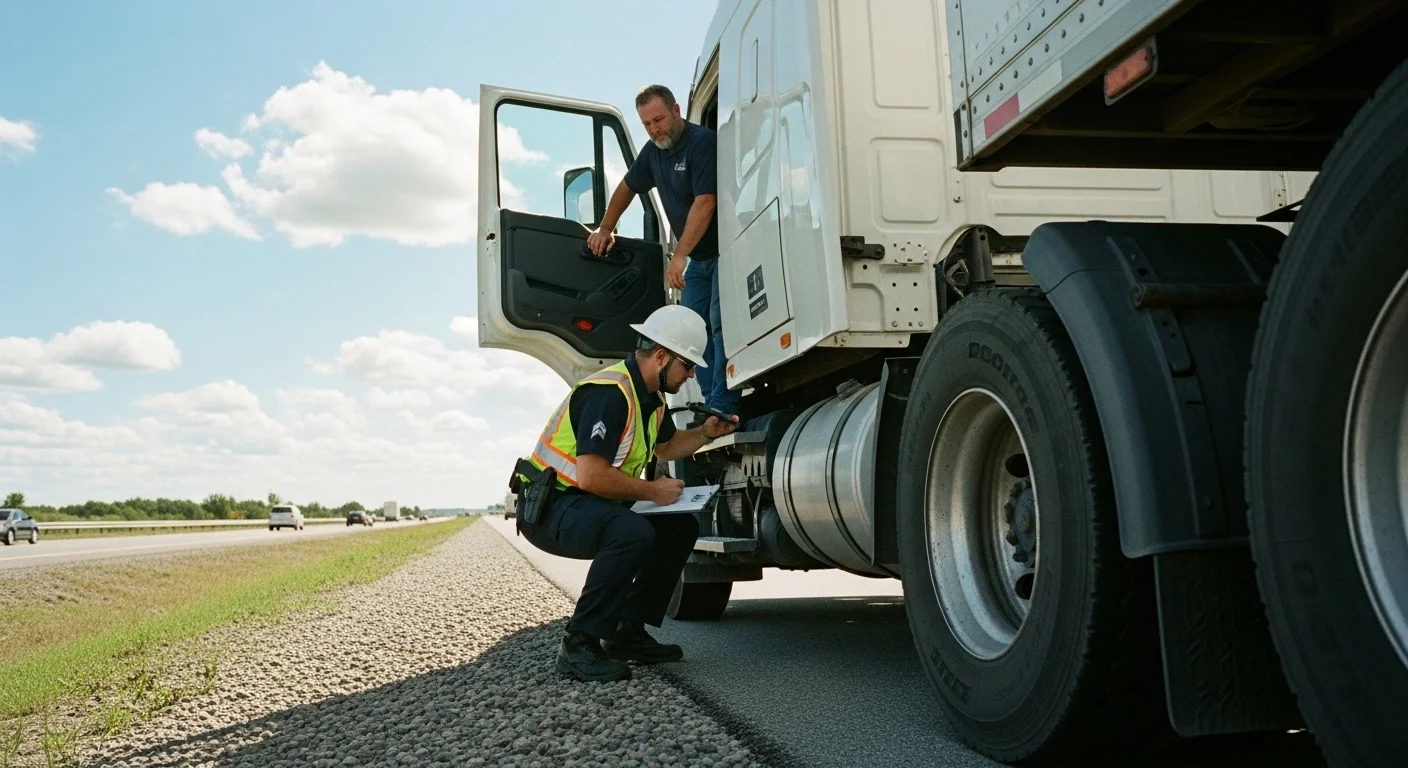
Tow trucks operate under conditions that create serious crash risk: irregular hours, overnight calls, stop-and-go work on highway shoulders, and the added burden of towing a disabled vehicle. NHTSA data shows that tow truck operators face one of the highest roadside fatality rates of any commercial vehicle operator — often struck by passing vehicles during recovery operations. When a tow truck causes a crash rather than responding to one, the liability typically falls on both the driver and the towing company — and in some cases, the company that dispatched them.
What Makes Tow Truck Crashes Different
Unlike a standard semi-truck running a scheduled route, tow trucks respond to calls at any hour, in any weather, often with minimal preparation time. The crash dynamics reflect those conditions:
(FMCSA safety data)
Common Causes of Tow Truck Crashes in Kentucky
Our investigation into tow truck crash cases focuses on the specific failure modes most common to towing operations:
Driver Fatigue
Tow truck operators frequently work irregular schedules — day shifts that extend into evening emergency calls, overnight recovery operations, and back-to-back dispatches during weather events. Many smaller towing companies do not have the fleet size to rotate drivers appropriately, and hours of service rules that apply to interstate CMVs do not always reach lighter-duty tow trucks operating within a single state. Fatigue is a recurring root cause in tow truck crashes.
Visibility and Blind Spot Failures
Heavy-duty wreckers and rollback tow trucks have significant rear and side blind spots — especially when backing into a breakdown scene or entering traffic after loading a vehicle. Failure to use spotters, check mirrors systematically, or use backup cameras before entering a travel lane has caused crashes involving pedestrians, cyclists, and passenger vehicles.
Improper Towing and Unsecured Loads
When a vehicle is not properly secured to the tow truck — whether due to rushed recovery operations, faulty equipment, or inadequate training — the towed vehicle can become a projectile. Unsecured load crashes are among the most dangerous because they create sudden, unpredictable hazards for other drivers with little to no warning.
Speeding and Reckless Operation
Dispatch pressure to reach breakdown scenes quickly leads some tow truck drivers to exceed speed limits while towing. The combination of a heavy tow truck, an attached disabled vehicle, and excessive speed dramatically increases stopping distances and crash severity.
Poor Maintenance
Towing equipment — including hydraulic systems, tow bars, safety chains, and lighting — requires regular maintenance. Many smaller towing operations skip or defer required inspections. When mechanical failures contribute to a crash, the towing company faces liability for failing to maintain its equipment in safe operating condition.
Move Over Law — KRS 189.930
Kentucky’s Move Over Law requires drivers approaching a stationary tow truck, emergency vehicle, or utility vehicle with lights activated to move over one lane if it’s safe to do so — or slow to a speed 10 mph below the posted limit if a lane change isn’t possible.
If another driver’s failure to comply with KRS 189.930 contributed to your crash or injury during a tow truck recovery operation, that violation is evidence of their negligence. Our team evaluates all parties involved in the scene — including bystanders whose actions created additional hazards.
Who Is Liable in a Tow Truck Crash?
Tow truck liability is more layered than most commercial vehicle cases. Depending on how the tow truck was dispatched and operated, responsible parties may include:
- The tow truck driver — direct negligence: fatigue, speeding, distraction, failure to secure the load
- The towing company — negligent hiring, inadequate training, failure to maintain equipment, scheduling drivers past safe limits; see negligent hiring claims
- The motor club or insurance dispatch service — when an AAA, insurance company, or third-party dispatch contractor assigned the job, their standards for selecting qualified operators may be relevant
- A municipality or government contractor — when the tow truck was operating under a police or city contract, government liability and notice requirements apply; shorter deadlines may apply to these claims
- The vehicle manufacturer — when a defective component (tow bar, safety latch, hydraulic line) contributed to the crash
What to Do After a Tow Truck Crash
-
Get medical care first
Even low-speed tow truck crashes can cause serious injuries, especially whiplash, soft tissue damage, and back injuries. Don’t wait to see if symptoms develop.
-
Photograph the truck, the scene, and your vehicle
Capture the towing company’s name, DOT number (if displayed), the vehicle being towed, the condition of towing equipment, and all road conditions. This identifies the operator, the company, and whether the load was properly secured.
-
Get the police report number
A police report establishes the official record. Make sure the investigating officer documents all parties — including any vehicle being towed that contributed to the crash.
-
Do not give recorded statements to the towing company’s insurer
Towing company insurers use recorded statements to lock you into a description of events that minimizes their liability. Say nothing beyond factual identification until our team is involved.
-
Contact our team immediately
Maintenance records, dispatch logs, and driver qualification information are held by the company. Our preservation letter goes out on day one.
Don’t let a quick offer close your case. Early settlement offers from towing companies often come before the full extent of injuries is clear. Our Bigger Share Guarantee® means a no increased litigation fees fee that never increases — and $0 Out-Of-Pocket, forever.
Frequently Asked Questions
Can I sue a towing company after a tow truck crash?
Yes. Towing companies are responsible for their drivers’ conduct under respondeat superior, and they face independent liability for their own failures — inadequate training, failure to maintain equipment, negligent hiring, and scheduling practices that create fatigued drivers. If the company is on contract with a motor club or municipality, those entities may also face liability depending on their level of control over the operation.
What if the towed vehicle came loose and hit me?
When a towed vehicle breaks free and causes a crash, the towing company faces liability for failure to properly secure the load. Under federal cargo securement standards (49 CFR Part 393 Subpart I) and general negligence principles, the company is responsible for ensuring the vehicle being towed is secured before entering traffic. This is one of the most common and most severe types of tow truck-related crashes.
Does Kentucky’s Move Over Law apply to tow trucks?
Yes. Under KRS 189.930, drivers must move over or slow down when approaching a stationary tow truck with activated warning lights. If another driver’s failure to comply with this law contributed to your crash or injury at a tow truck recovery scene, that failure is evidence of negligence. Our team evaluates all parties at the scene.
How long do I have to file a tow truck injury claim in Kentucky?
Generally two years from the date of the crash for personal injury. Wrongful death claims must be filed within one year. If a government entity or municipality operated the tow truck, notice requirements may be as short as 90 days — acting quickly is critical. Property damage claims have a two-year deadline.
Tell Us What Happened
Our team will review your tow truck accident and reach out to discuss your options — no upfront cost, no obligation.