
Turo Accident Attorneys
Injured in a Turo Accident?
 ★★★★★
Over 1,000 Five-Star Reviews
•
Available 24/7. $0 Out-Of-Pocket Forever.
★★★★★
Over 1,000 Five-Star Reviews
•
Available 24/7. $0 Out-Of-Pocket Forever.
Turo Insurance Structure
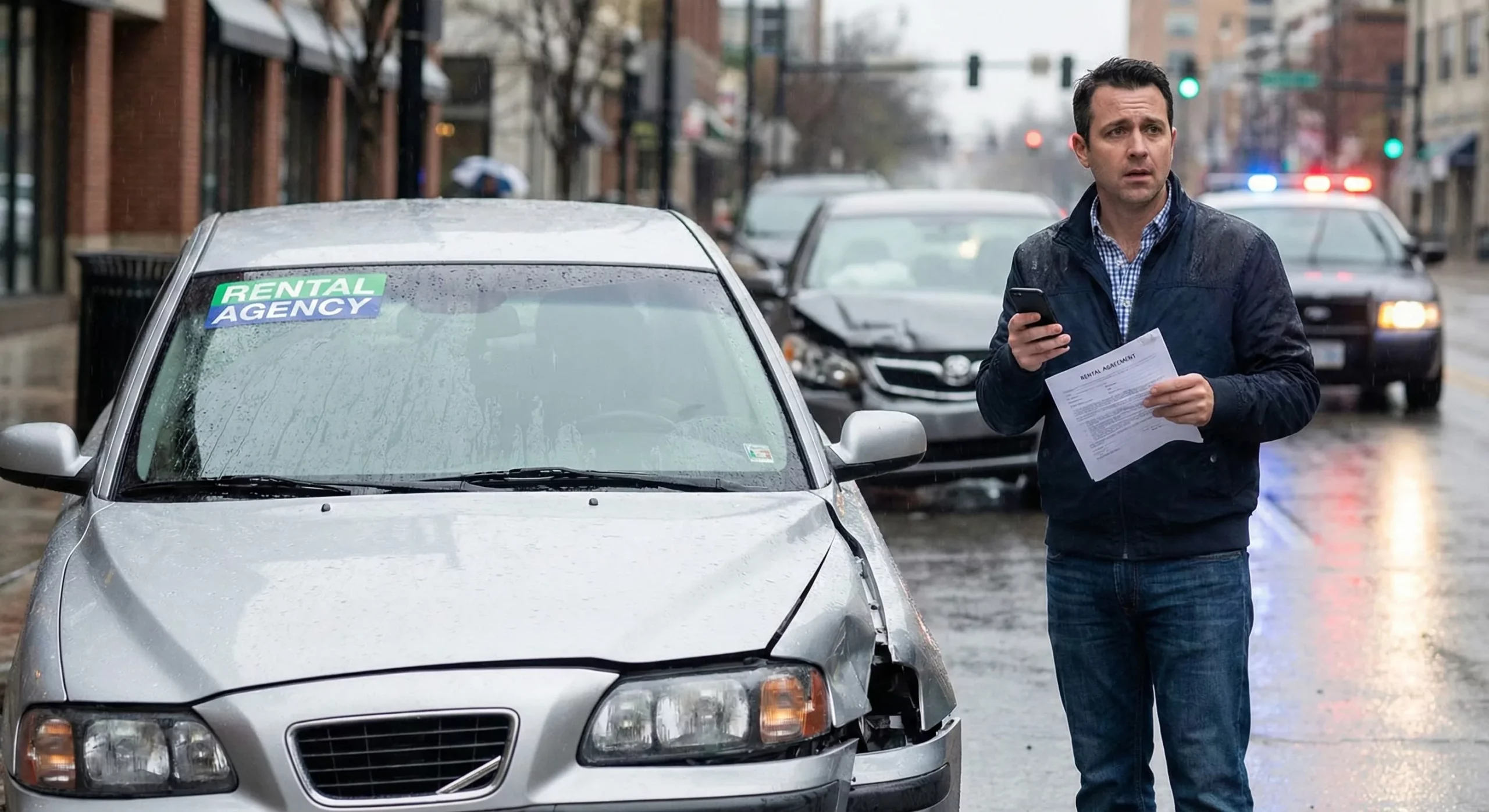
Turo is a peer-to-peer car sharing program, and Kentucky regulates those programs in KRS 365.520 to 365.528. The coverage that applies after a crash in a Turo-booked vehicle depends on whether the injured person is the guest, the host, or a third party, which protection plan was selected, who was driving, and whether the crash happened during the car sharing period. Kentucky’s no-fault law, including the tort threshold in KRS 304.39-060, adds a layer that a traditional rental car case also carries.
Guest and Host Protection Plans
Guests choose a protection plan when they book, and hosts choose a vehicle protection plan when they list a car. The plans differ in physical damage protection and deductibles for the host’s vehicle, so the plan in effect on the trip decides who pays for the car itself.
Third-party liability rests on Kentucky law. Under KRS 365.522(1), a peer-to-peer car sharing program assumes the shared vehicle owner’s liability for bodily injury and property damage to third parties, and for basic reparation benefits losses, during the car sharing period, in amounts no lower than the minimums in KRS 304.39-110 and the $10,000 in basic reparation benefits set by KRS 304.39-020(2). That assumption does not apply when the owner made an intentional or fraudulent material misrepresentation to the program or acted in concert with a guest who failed to return the vehicle.
KRS 365.522(2) also requires the program to ensure that the owner and the driver are covered by a liability policy meeting those minimums during each car sharing period. When the owner’s or driver’s insurance has lapsed or does not provide the required coverage, the program’s insurance must provide it from the first dollar of the case. Turo’s trip and coverage records are often needed to show that the crash fell within the car sharing period.
Turo and Traditional Rental Car Differences
A traditional rental car company owns its fleet and typically includes its own liability coverage in the rental agreement. On Turo, a private host owns the vehicle and the program supplies coverage through the rules in KRS 365.522.
The federal Graves Amendment, 49 U.S.C. § 30106, shields owners in the business of renting or leasing vehicles from vicarious liability for a renter’s driving when the owner was not negligent. Kentucky extends that protection to peer-to-peer car sharing: under KRS 365.528, the program and the host are exempt from vicarious liability consistent with 49 U.S.C. § 30106 and, except as provided in KRS 304.39-080, under laws that impose liability based solely on vehicle ownership. A host’s personal auto policy may not apply either, because KRS 304.39-047 allows the insurer of a shared vehicle owner’s policy to exclude liability, uninsured and underinsured motorist, basic reparation, medical payments, comprehensive, and collision coverage for crashes during a car sharing period. A guest’s own personal policy may or may not extend to a peer-to-peer rental, so identifying which tier applied and which exclusions apply takes more investigation than a typical rental car case.
Kentucky’s No-Fault Rules and Turo Accidents
Kentucky’s no-fault system applies to crashes in Turo vehicles the same way it applies to other car crashes. KRS 304.39-080(5) requires security for vehicles registered or operated in Kentucky, basic reparation benefits (PIP) pay up to $10,000 per person under KRS 304.39-020(2), and during a car sharing period the program assumes basic reparation benefits losses under KRS 365.522(1)(a). An injured person can also bring a tort claim for pain and suffering once the threshold in KRS 304.39-060(2)(b) is met, including medical expenses over $1,000, a fracture to a bone, permanent disfigurement, or a permanent injury.
Common Coverage Gaps in Turo Accidents
Coverage disputes in Turo cases come from a handful of recurring problems:
- Someone other than the approved guest was driving, which can put Turo’s coverage terms in dispute and requires a careful look at the policy language and other coverage sources.
- The guest selected a low protection plan, or no protection, which affects who pays for damage to the host’s vehicle.
- The crash happened outside the car sharing period, when KRS 365.522 no longer applies.
- The at-fault driver’s coverage is inadequate, so the injured person’s own uninsured or underinsured motorist coverage may apply.
- The insurers dispute who was in control of the vehicle or whether it was returned as agreed. KRS 365.522(2)(d) places primary liability on the program’s coverage when the dispute is over the agreed return location, or over who was in control and the program cannot produce the required records, and KRS 365.522(3) bars making the program’s coverage wait for another insurer to deny the claim first.
Turo’s terms of service and protection plans have changed over time, so the trip agreement and protection plan in effect on the date of the crash decide what coverage applies, and every available coverage channel should be identified early.
Evidence to Preserve After a Turo Accident
The Turo booking confirmation number, the active protection plan, the booking dates, the approved driver information, and the police crash report are the starting point for identifying which coverage applies. Beyond the standard evidence from any car crash, a Turo case benefits from the trip confirmation email, in-app messages with the host, the host’s vehicle listing, photos of the vehicle’s condition, and screenshots of the protection plan selected at booking. Turo’s own trip records, which can sometimes be obtained through a formal request, may answer coverage questions the guest’s or host’s paperwork leaves open.
Turo’s terms require prompt reporting of a crash through its app or website. Giving a recorded statement to Turo’s insurer or the host’s insurer can close off coverage options that a careful review would otherwise preserve. An injury settlement release is permanent. Once signed, the claim is closed forever. Insurance companies push quick checks before the full cost of medical care is known because there are no do-overs.
Injuries and Damages in a Turo Accident Case
Injuries from a Turo crash are valued the same way as injuries from any other motor vehicle crash: medical treatment, lost income, and the long-term effect of the injury all count toward the case. The difference is the coverage analysis. A Turo crash can involve the program’s coverage, the host’s personal policy, the guest’s personal policy, and a third party’s insurance, and working through each layer methodically avoids leaving available compensation unclaimed.
How Sam Aguiar Injury Lawyers Handles Turo Accident Cases
Sam Aguiar Injury Lawyers investigates every Turo accident case to identify all available coverage sources, whether that means the program’s coverage under KRS 365.522, a host’s or guest’s personal policy, or a client’s own underinsured motorist coverage.
- Dedicated three-person team: a top-rated attorney, an experienced case manager, and a skilled legal assistant.
- Bigger Share Guarantee®: Clients always walk away with more money than the firm after medical bills, liens, and case expenses are paid. If the client’s share would ever be less than the legal fee, the firm cuts its fee.
- Flat contingency fee that never increases if your case goes to trial.
- $0 Out-Of-Pocket Forever.
Before you give Turo’s insurer or the host’s insurer a recorded statement, get a free case review of your Turo crash from Sam Aguiar Injury Lawyers. After an accident, the insurance company doesn’t waste time. Neither should you.
Key Takeaways
Whose Coverage Applies After Your Turo Crash?
A Turo crash can bring in the host’s personal policy, the Turo protection plan, your own PIP and possibly an uninsured motorist policy, and each one tends to point at the others. Sam Aguiar Injury Lawyers works out which coverage answers first and pursues every policy that applies to your case. You will have a dedicated three-person case team following the file, and you pay $0 Out-Of-Pocket Forever. Call today for a free case review.
Frequently Asked Questions
1Does Turo’s insurance cover me if I’m a third party hit by a Turo vehicle?+
Kentucky law answers most of this. During the car sharing period, KRS 365.522 makes the program assume the host’s liability to third parties in amounts no lower than Kentucky’s minimum liability limits, and requires liability coverage for the host and the driver.
2Will my personal auto insurance cover a Turo accident?+
If you are the host, possibly not: KRS 304.39-047 lets the insurer of a shared vehicle owner’s policy exclude coverage for crashes during a car sharing period. If you are the guest, your own policy may or may not extend to a peer-to-peer rental, so its terms need review.
3Does Kentucky’s PIP coverage apply to Turo accidents?+
Yes. Kentucky’s no-fault system applies to crashes in Turo vehicles, basic reparation benefits pay up to $10,000 per person under KRS 304.39-020(2), and the program assumes basic reparation benefits losses during the car sharing period under KRS 365.522(1)(a).
4Can I sue for pain and suffering after a Turo accident in Kentucky?+
Yes, once the tort threshold in KRS 304.39-060(2)(b) is met, including medical expenses over $1,000, a fracture to a bone, permanent disfigurement, or a permanent injury.
5What if the Turo host’s own insurance had lapsed?+
Under KRS 365.522(2)(e), when the host’s or driver’s insurance has lapsed or does not provide the required coverage, the program’s insurance must provide it from the first dollar of the case. An injured person’s own uninsured or underinsured motorist coverage can also apply when the at-fault driver’s coverage falls short.
6What should I document after a Turo accident in Kentucky?+
Preserve the trip confirmation showing the protection plan, the booking dates and approved driver information, the host’s vehicle listing, in-app messages with the host, photos of the vehicle, and the police report, and report the crash to Turo promptly as its terms require.