
8 Tactics Insurers Use After a Crash

Kentucky insurance adjusters are trained to limit what they pay you. The moment a crash is reported, the insurance company’s claims team starts working, and its goal is to close your case for as little as possible, as fast as possible.
Why Adjusters Work Against You
Kentucky’s Unfair Claims Settlement Practices Act at KRS 304.12-230 sets rules for how insurers must handle a claim, but adjusters still follow a trained playbook designed to minimize payouts.
Common Insurance Tactics After a Kentucky Car Accident
1. The Fast Settlement Call
Within days, sometimes hours, of the crash, an adjuster calls to offer a quick settlement. The number might even feel like a lot when you’re disoriented, in pain, and looking at a wrecked car. But that offer almost always comes before you know the full scope of your injuries. Soft tissue injuries, herniated discs, and traumatic brain injuries often don’t fully declare themselves for days or weeks. Signing a release early locks you into that number permanently.
Common tactics we see from insurance companies:
- Same-day calls offering a small check. A few thousand dollars to make the case go away. The check is almost always a fraction of what the case is worth.
- Recorded statement requests. The adjuster asks scripted questions designed to get you to admit you were at fault, that you felt fine, or that you had a pre-existing condition.
- Pressure to use the carrier’s preferred body shop. You have the right to pick your own.
- Delays on PIP medical payments. Some carriers slow-pay PIP, hoping you will give up.
- Surveillance. Yes, this happens. Be careful what you post on social media after a crash.
If a carrier is calling you, you can decline politely and refer the adjuster to your lawyer. We pick up evenings and weekends.
2. The Recorded Statement Trap
The adjuster asks for a “quick recorded statement, just to get the basics.” What they’re actually doing is locking you into an account of the accident and your injuries before you have complete information. Phrases like “I’m doing okay” or “I didn’t really see where they came from” get turned into ammunition. You are not legally required to give the other driver’s insurer a recorded statement. Learn more about how recorded statements are used against you and the insurance-tactics page on recorded statements after a crash.
3. Downplaying Your Injuries
Adjusters use language designed to minimize. “Soft tissue injuries” are described as minor. Delayed pain is framed as unrelated to the crash. Pre-existing conditions, a prior back injury, an old knee issue, become the insurer’s explanation for everything. They may also send you to an independent medical exam (IME) with a doctor who regularly produces findings favorable to insurers.
4. Inflating Your Fault Share
Adjusters look for ways to place part of the blame for the crash on you, because a larger fault share for you means a smaller payout. Kentucky follows pure comparative fault under KRS 411.182, so an injured person’s recovery is reduced by his or her percentage of fault. See how insurance companies investigate car accident fault.
5. Payment Delays
Dragging out a case builds financial pressure and pushes cases closer to Kentucky’s filing deadlines, reducing negotiating leverage. Insurers must still act within the timeframes set by 806 KAR 12:095, and our payment delays page covers specific tactics.
6. Lowballing the Initial Offer
The first offer is almost never the real number. Insurers know that many people accept initial offers without negotiating, especially when they need money quickly. Initial offers routinely exclude future medical costs, lost earning capacity, pain and suffering, and other components of full compensation. See what full compensation after a car accident actually looks like.
7. Social Media Surveillance
Adjusters and investigators monitor claimants’ social media accounts looking for photos or posts that appear inconsistent with their injury cases. A photo at a cookout, a post about feeling better, or even a tag in someone else’s photo can be taken out of context and used to challenge your case. Social media surveillance is a standard practice, not an exception.
8. Using Insurance Reserves Against You
Inside every insurance company, adjusters set an internal reserve, the amount the company sets aside as a likely payout. This reserve is kept hidden from you, but it reveals how the insurer actually values your case. When the reserve is far below your documented damages, that gap is a tell. Understanding how insurance reserves work gives you context for why initial offers are so often disconnected from actual case value.
Adjuster Tactics in a Typical Claim
These tactics don’t always appear in isolation. In a typical Louisville car accident case, an injured person might face: a quick call asking for a recorded statement (day 2), an IME request (week 3), a low initial offer with no explanation (week 6), a delay citing “additional investigation needed” (week 10), and then a second offer slightly above the first, still well below full value. Each step is deliberate. See the full adjuster playbook breakdown for a detailed look.
Insurer Already Calling? Start With a Free Case Review
Every tactic on this page works best on someone dealing with the adjuster alone. Sam Aguiar Injury Lawyers takes over the insurer’s calls, answers requests for recorded statements and medical exams, and keeps your documented damages in front of the company, and a dedicated three-person case team keeps the file moving from there. If an adjuster is already calling you, a free case review is the place to start.
Frequently Asked Questions
1Why do adjusters call with a fast settlement offer?+
2Why do adjusters ask for a recorded statement right away?+
3How do adjusters downplay injuries?+
4How do payment delays work as a tactic?+
5How does social media surveillance affect my case?+
6What are insurance reserves and why do they matter?+
7Does hiring a lawyer really change how an insurer treats a case?+
Latest Articles
Kentucky Diminished Value Claims
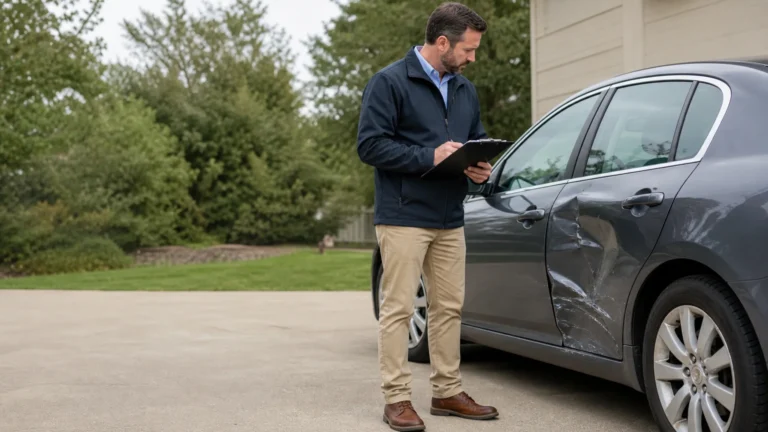
Kentucky drivers may pursue a repaired vehicle’s leftover market loss from the at-fault driver as part of a.
FMCSA Revoked ELDs: Fleet Compliance and Enforcement Deadlines
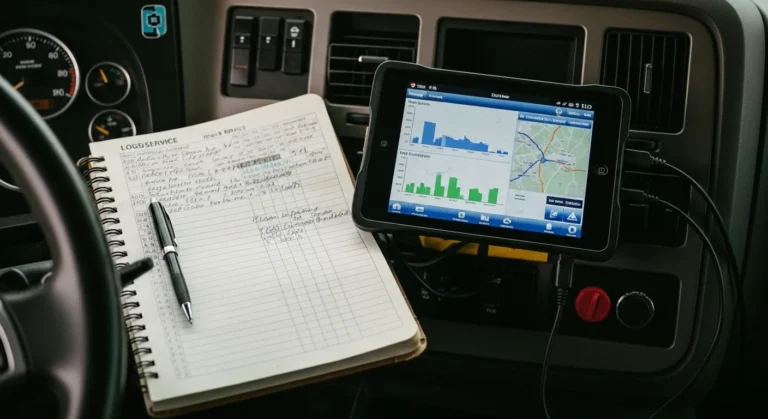
FMCSA removed five electronic logging devices from the registered list on August 6, 2026, and set an October.

FMCSA English Proficiency Rule and OOS Enforcement
FMCSA English Proficiency Rule Sam Aguiar Injury Lawyers August 11, 2026 7 minute read On This Page.