

Rear Collision Warning Lights on Trucks
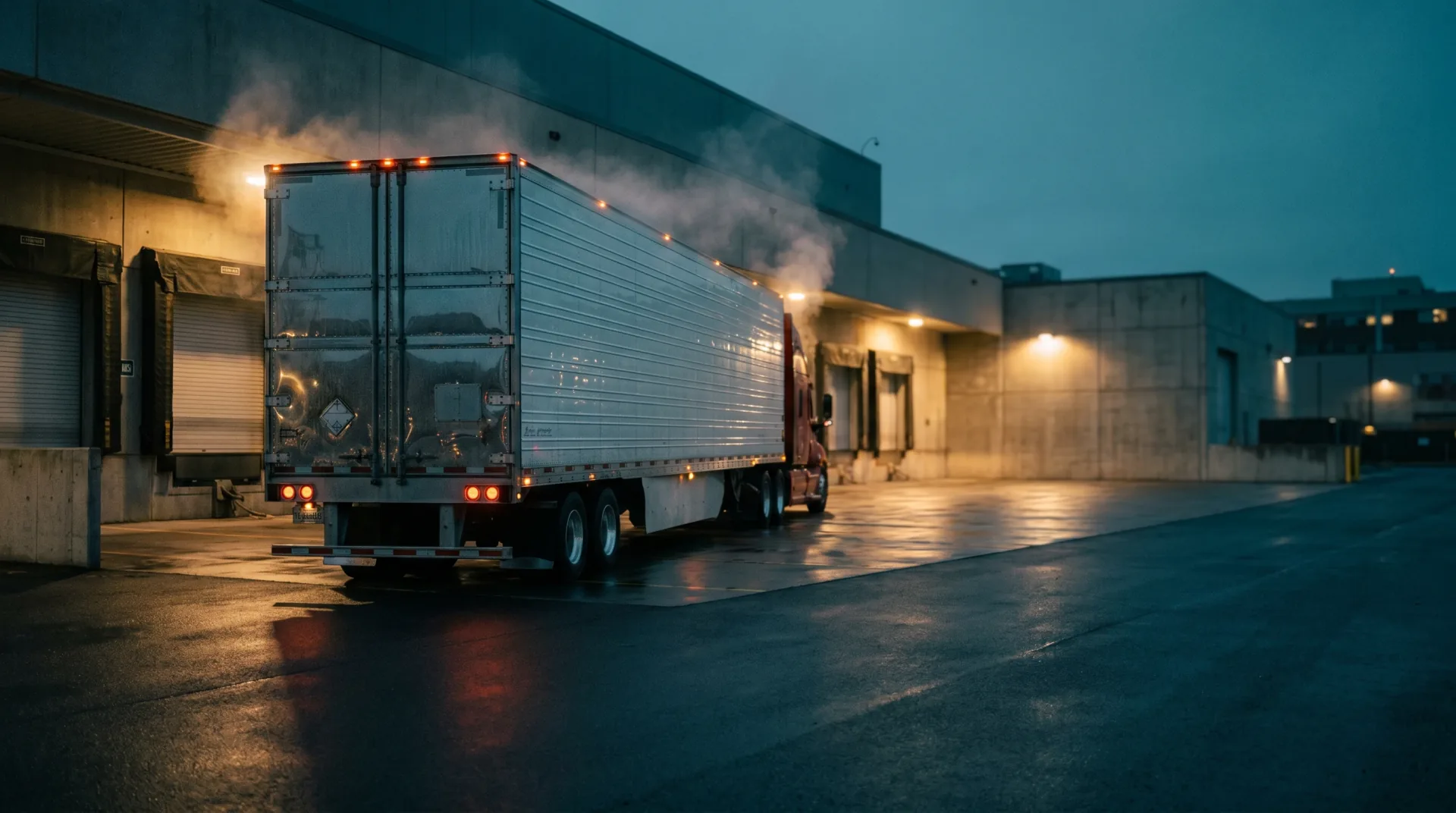
Rear Radar Collision Warnings
Truck collision warning lights using rear-facing radar are the subject of a pending Grote Industries exemption application. A rear-facing radar system calculates the time remaining before a possible impact and triggers the warning. FMCSA reopened comments on the clarified warning-system operation on October 20, 2026. The application remains under review, with comments due November 19.
Amber Warning-Lamp Operation
The supplemental explanation specifies amber pulses lasting up to four seconds for each rear-collision warning activation. That warning does not then become steady red. The original application had described a transition to steady red, which raised concern that a following driver might mistake the warning for braking.
| Authority | Applicable Condition | Issue |
|---|---|---|
| AuthorityFederal Agency Action | Applicable Condition Rear Radar Estimates approaching-vehicle collision risk | IssueRear Radar |
| AuthorityFederal Agency Action | Applicable Condition Amber Warning Collision-warning function | IssueAmber Warning |
| AuthorityFederal Agency Action | Applicable Condition Braking Signal Separate function takes priority | IssueBraking Signal |
| AuthorityFederal Agency Action | Applicable Condition Federal Status Application under review | IssueFederal Status |
Source: Federal Agency Action.
Brake-Signal Priority
The same auxiliary lamps can serve a separate brake-warning function. When braking and a collision warning occur together, the brake-activated function takes priority. Any steady red indication in that sequence relates to brake application. Interpreting these truck safety systems requires distinguishing the function that triggered the lamps.
Warning-System Accident Evidence
A truck crash investigation should identify the installed hardware, configuration, power supply, radar coverage and available event records before drawing conclusions from video. A missing flash may reflect an inactive system, a camera limitation, a different configuration or a condition outside the detection area. These are possibilities to test against the particular installation, not findings established by the application.
Pending Federal Exemption
The underlying steady-burning lamp requirement remains in force, subject to its existing exceptions. A pending application does not authorize an installation that otherwise needs an exemption. Any eventual grant must be read for its covered equipment, effective period and conditions; the proposed operation alone is not a new federal standard.
Injuries in a Truck Rear-End Accident
The warning lamps, braking sequence and following vehicle’s approach may all need examination after a serious rear-end accident. Our truck accident lawyers can review your injuries and the accident circumstances. Contact Sam Aguiar Injury Lawyers for a free case review.
Latest Articles
Federal Truck Safety Rules
Federal rule changes affecting commercial vehicle safety.

Driver Medical Files
Medical information relevant to a truck driver’s fitness to drive.
Driverless Truck Beacons
Roadside warning devices for automated trucks stopped on the highway.