

Railroad Emergency Vehicle Driving Limits
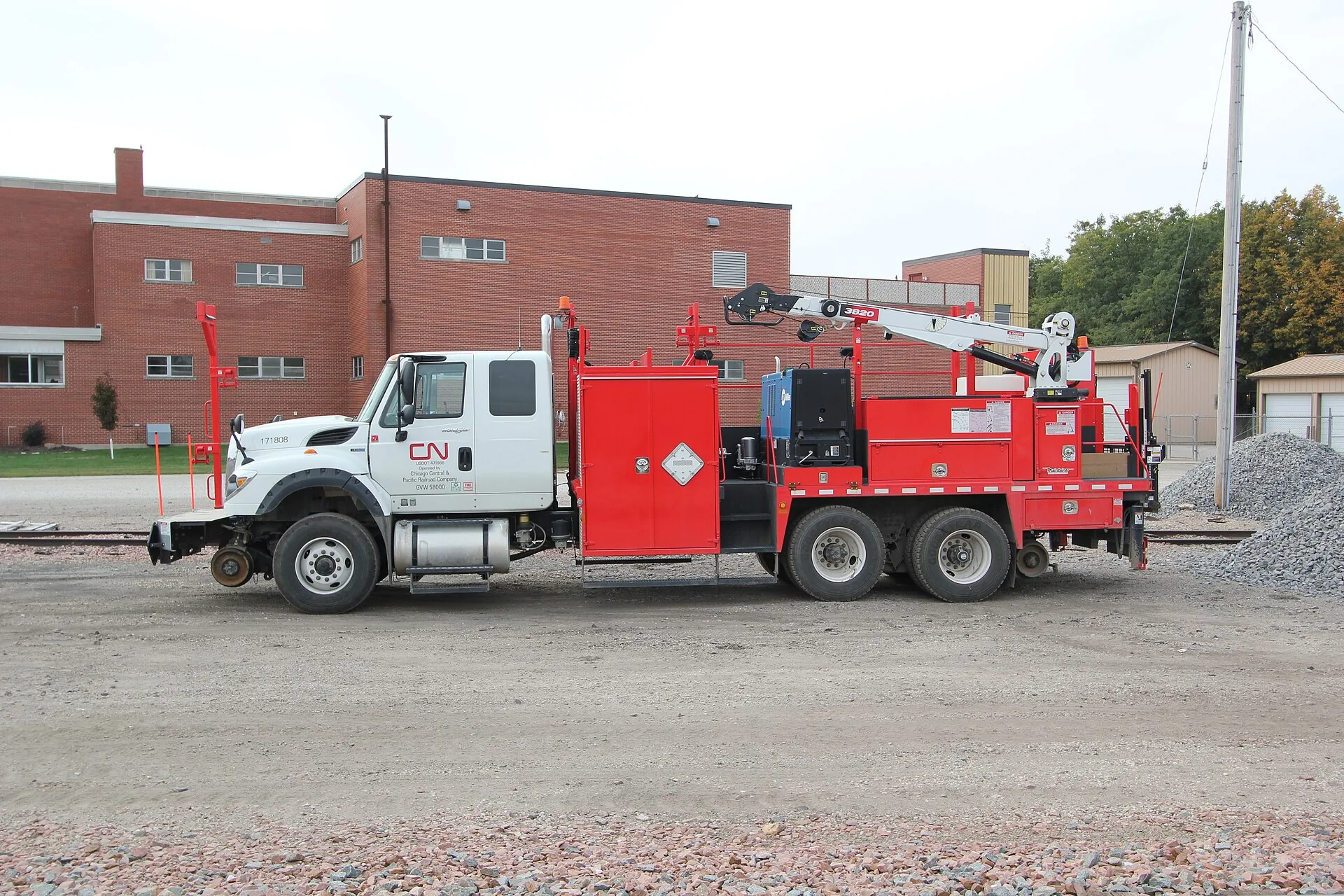
Railroad Emergency Exemption Coverage
The railroad hours of service exemption lets employees of listed railroads use an extended driving window when taking a commercial vehicle to a qualifying unplanned event. The renewed railroad exemption took effect October 20, 2026, and expires October 18, 2030. It covers employees of the 231 railroads listed in the decision’s appendix and specified events affecting main-track operations, including derailments, train collisions, bridge strikes and weather emergencies.
Extended Duty Windows
The exemption’s driving limits allow a window of up to 17 hours, compared with the ordinary 14-hour duty window. They preserve the 11-hour driving limit after 10 consecutive hours off duty. Covered drivers may exceed the cumulative 60/70-hour limits by no more than six hours and may travel no more than 300 air miles from their normal reporting location or terminal. A 17-hour window is not permission to drive for 17 hours.
| Authority | Applicable Condition | Issue |
|---|---|---|
| AuthorityFederal Agency Action | Applicable Condition Driving Window Up to 17 hours | IssueDriving Window |
| AuthorityFederal Agency Action | Applicable Condition Driving Time 11 hours after 10 hours off | IssueDriving Time |
| AuthorityFederal Agency Action | Applicable Condition Cumulative Limit Up to 6 additional hours | IssueCumulative Limit |
| AuthorityFederal Agency Action | Applicable Condition Distance 300 air miles | IssueDistance |
Source: Federal Agency Action.
Work at the Rail Incident
Once a driver arrives at the incident site, the applicable hours-of-service limits resume. All time working to restore rail service must be recorded as on duty, not driving. Required fatigue training and all other federal motor-carrier safety provisions still apply. Time repairing track therefore remains part of the workday even though the vehicle is parked.
Exemption-Use Records
The carrier must retain records of exemption use, including duty records, supporting documents and a description of the unplanned event. A truck crash investigation can compare those records with the carrier’s identity, dispatch, route and work history. A connection to railroad work alone does not establish coverage; routine maintenance is not one of the listed emergencies.
Return Travel After Rail Work
The exemption is limited to travel to the incident. Travel between the worksite and nearby lodging or dining may qualify under personal-conveyance conditions. If those conditions do not apply and the driver has reached the driving-hour limits, the decision requires another permitted transport arrangement. The trip home cannot simply inherit the outbound exception.
Accidents Involving Railroad Service Trucks
An emergency assignment does not answer every question about a truck driver’s workday. If a railroad service truck caused serious injuries, our truck accident team can examine the assignment and driving record as part of your case. Request a free case review.
Latest Articles
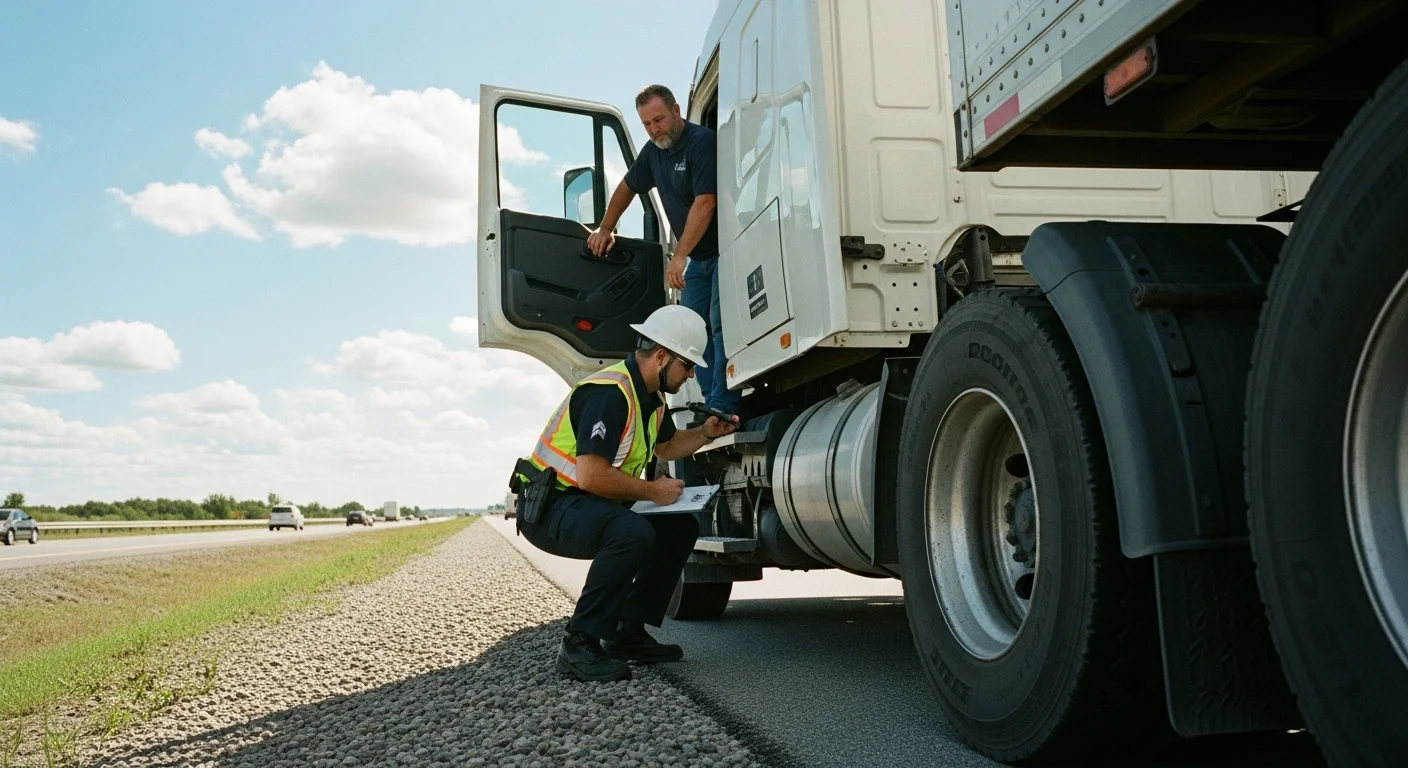
Federal Truck Safety Rules
Federal rule changes affecting commercial vehicle safety.

Driver Medical Files
Medical information relevant to a truck driver’s fitness to drive.
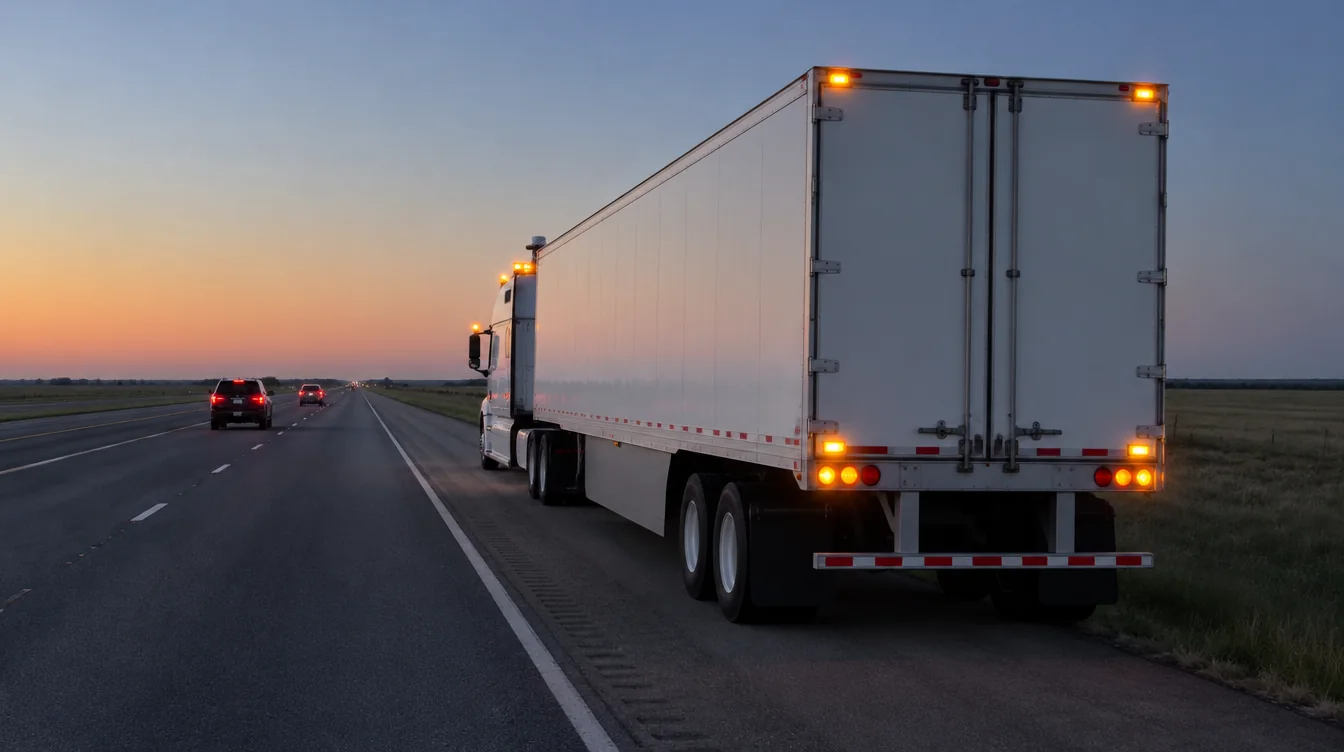
Driverless Truck Beacons
Roadside warning devices for automated trucks stopped on the highway.