

UPS Truck Accident Cases

UPS truck accident cases involve more moving parts than a standard car crash case. UPS describes its global fleet in its corporate fact sheet as approximately 135,000 vehicles delivering more than 22 million packages a day, backed by a layered corporate insurance structure. The Federal Motor Carrier Safety Administration publishes UPS’s inspection and crash history under USDOT number 21800.
UPS package car and feeder drivers are employees represented by the Teamsters union. Because of that employment relationship, respondeat superior generally applies, so UPS as a corporation can be held accountable for a driver’s conduct on the job.
UPS Liability for Employee Drivers
Every UPS package car driver and feeder operator is a direct employee. Under respondeat superior, an employer can be held liable for the negligent acts of an employee within the scope of employment, so when a UPS driver causes a crash while making deliveries or running a feeder route, UPS may bear corporate responsibility for that conduct.
The 2023 Teamsters National Agreement covers hundreds of thousands of UPS workers, including many at Teamsters Local 89 in Louisville, home to one of the largest UPS facilities in the country because of the Worldport air hub. The contract governs driver seniority, training requirements, overtime rules, and route assignments, which creates a documentation trail for a crash investigation. Reported disputes between UPS and the Teamsters over driver programs reflect the depth of the employment relationship.
Vehicle Types in the UPS Fleet
The UPS vehicle involved in a crash determines how federal regulations apply and what onboard evidence may exist, whether the crash happened in Kentucky or another state.
- Package cars (P-series step vans): the brown walk-in van used for residential and business deliveries, with gross vehicle weight ratings that can reach 10,001 pounds or more, the threshold for federal commercial motor vehicle regulation.
- Feeder tractors (semi-trucks): long-haul tractor-trailers that move freight between UPS hubs under full hours-of-service and electronic logging device requirements.
- Sprinter and cargo vans: used in dense urban and last-mile routes, and subject to federal rules when the gross vehicle weight rating reaches 10,001 pounds and the van operates in interstate commerce.
- Alternative fuel vehicles: a growing share of the UPS fleet, including step vans running on renewable natural gas, with the same crash dynamics and liability exposure as conventional vehicles.
Federal Regulations That Apply to UPS Vehicles
The Federal Motor Carrier Safety Administration (FMCSA) sets safety standards for commercial motor vehicles in interstate commerce. Most UPS feeder trucks and many package cars meet the weight threshold for federal oversight, which creates legally mandated records that can become evidence after a crash. For UPS feeder truck crashes in Jefferson County, the Louisville truck accident lawyer page documents the carrier records and the insurance layers.
Hours of Service
UPS feeder drivers operating commercial vehicles over the federal weight threshold are subject to hours-of-service regulations, which limit driving time and require rest periods. Property-carrying drivers generally may not drive more than 11 hours or beyond a 14-hour on-duty window. A violation of these limits can support a negligence case.
Electronic Logging Device Requirements
Most commercial drivers subject to hours-of-service rules must record duty status on an FMCSA-registered electronic logging device. These devices capture driving time, engine hours, vehicle movement, and location data, and the record must be retained for a set period. After a crash, this data can show when the driver was behind the wheel and whether hours-of-service limits were exceeded.
Driver Qualification Files
Federal rules require carriers to maintain a driver qualification file for each commercial driver, including the license application, road test records, medical examiner certificates, and prior employer inquiries. A disqualifying violation on a prior employer check, or a lapsed medical certificate, can create carrier exposure under a negligent entrustment theory.
Vehicle Maintenance Requirements
Federal rules require systematic inspection, repair, and maintenance of commercial vehicles, with records of inspections, driver-reported defects, and repairs. Even a carrier with a strong overall inspection record can have an individual vehicle with an uninspected defect that contributed to a specific crash. A package car or feeder that looks fine from the curb can still have a tire, brake, lighting, or coupling issue, so inspection stickers and visible repairs belong in the same review as the inspection reports.
Corporate Crash Response and Insurance Layers
Large carriers often maintain internal incident response protocols that send personnel to the scene of a significant crash to gather information for the company. Insurers and legal teams may begin reviewing driver records and other data at the same time, often before the injured person knows the process has started.
UPS does not rely on a single commercial auto policy for every loss. Large carriers commonly use layered insurance arrangements, sometimes called insurance towers, where a self-insured retention layer sits below one or more excess policies. The carrier typically handles claims in the self-insured layer directly, while the excess carrier handles claims that exceed it. The firm’s trucking insurance coverage page explains how these layered structures generally work.
Time-Sensitive Evidence in UPS Crash Cases
Commercial vehicles generate far more data than passenger cars, and that data has retention windows after which it may be overwritten.
- Electronic logging and telematics data: UPS package cars and feeders can transmit GPS location, speed, engine status, and hours-of-service data. Federal rules set a minimum retention period for electronic logging device data, but proprietary telematics data may follow a shorter cycle.
- Onboard camera footage: many UPS vehicles carry inward-facing and outward-facing cameras that can capture driver behavior, road conditions, and the moments before impact. Without a prompt preservation request, footage may be overwritten under a standard retention schedule.
- Driver qualification file: license records, medical certificates, and prior employer safety checks, which federal rules require carriers to retain for a set period after a driver leaves.
- Inspection reports: these can show whether a known mechanical defect, such as a brake or signal issue, was reported before the crash.
- Dispatch and route records: the number of stops assigned and the schedule a driver was expected to complete, which bears on whether time pressure played a role.
Telematics can show where a package car or feeder was, but it may not show who was in the seat or whether the system was live, and camera time, GPS time, and engine time can disagree. Useful video can also come from a nearby business, a home, a traffic camera, a gas station, or another vehicle, including cameras around the Louisville Worldport hub. Some systems overwrite quickly, and vendor-managed systems need a precise date, time, location, or camera angle before a search can begin.
Injury Patterns Common in UPS Vehicle Crashes
Most people injured in large-truck crashes are occupants of the other vehicle. NHTSA estimates that 70 percent of the 153,452 people injured in 2023 large-truck crashes were occupants of other vehicles, and the weight difference between a UPS feeder truck or heavy package car and a passenger vehicle explains that pattern.
- Traumatic brain injuries, ranging from concussion to severe injury, with some effects not apparent until days after the crash.
- Spinal cord injuries, including vertebral fracture or disc herniation from rear-end and side-impact crashes with large vehicles.
- Internal organ damage, which can occur without any external sign of injury and may require emergency intervention.
- Crush injuries to the extremities from door intrusion during a side-impact crash with a step van.
- Soft tissue injuries, including whiplash and ligament damage, which do not always appear on initial imaging.
Louisville Worldport Hub and Kentucky Operations
Kentucky sits at the center of UPS’s air network. UPS describes its Worldport facility at Louisville Muhammad Ali International Airport as its largest global air hub, processing packages around the clock and supporting thousands of Kentucky jobs. Package cars, feeder tractors, and tractor-trailers moving to and from Worldport put a heavy share of UPS commercial traffic on Louisville-area roads, particularly near the airport and connecting interstates.
UPS also uses a proprietary routing system called ORION (On-Road Integrated Optimization and Navigation), which UPS describes as technology that plans delivery routes using data on stops, traffic, and time windows. Dispatch and ORION route data can show the number of stops assigned to a driver and the schedule the driver was expected to complete that day.
UPS Compared With Other Delivery Carriers
The direct-employee driver model distinguishes a UPS case from cases against some other delivery carriers. Competing carriers rely more heavily on independent contractor or delivery service partner models for certain routes, which adds a layer of analysis to determine which company bears responsibility. Once a UPS driver’s employment status is confirmed, that extra layer is generally unnecessary.
The vehicle type also changes the analysis. A crash with a Worldport-area feeder tractor pulling a loaded trailer carries different weight and stopping-distance considerations than a crash with a package car making residential stops in a Louisville neighborhood. The vehicle’s gross weight rating, cargo load, and route assignment establish which federal rules applied at the time of the crash.
Coverage Sources
A UPS feeder tractor or package car crash can involve the injured driver’s own coverage, UPS’s self-insured retention, and one or more excess policies layered above it, depending on the severity of the loss. Commercial carriers operating large vehicles generally carry substantially higher limits than a private passenger policy.
Kentucky’s no-fault system pays up to $10,000 in basic reparation benefits for medical expenses and lost income regardless of fault under KRS 304.39-020, a modest amount compared to the medical costs a serious commercial vehicle crash can generate. Personal injury protection, umbrella or excess policies, and the layered UPS coverage tower together show the resources available for a case.
A UPS truck accident case generally starts with identifying the vehicle type, confirming the driver’s employment status and qualification history, and requesting preservation of electronic and camera data. Medical records, wage documentation, and repair estimates then establish the losses tied to the crash.
Hit by a UPS Truck in Kentucky?
UPS operates its Worldport hub in Louisville and answers crashes with its own corporate response team and layered insurance. Sam Aguiar Injury Lawyers meets that with a dedicated trucking team that confirms the driver’s employment status, identifies the vehicle type and goes after camera and electronic data. Sam Aguiar was named a Forbes Best-In-State personal injury lawyer. A free case review shows where your case stands against a company the size of UPS.
Frequently Asked Questions
1Are UPS drivers employees or independent contractors?+
2Where can I find UPS’s FMCSA safety record?+
3Do federal trucking rules apply to UPS package cars?+
4What evidence should be preserved after a UPS truck accident?+
5Does UPS self-insure its vehicles?+
6How does the Teamsters union affect a UPS accident case?+
7Are UPS crashes more severe than typical car accidents?+
8Is a UPS package car crash different from a UPS feeder truck crash?+
Latest Articles
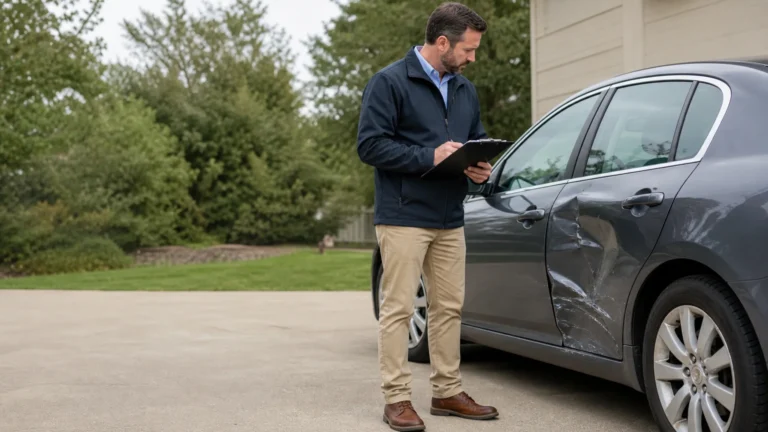
Kentucky Diminished Value Claims
Kentucky drivers may pursue a repaired vehicle’s leftover market loss from the at-fault driver as part of a.
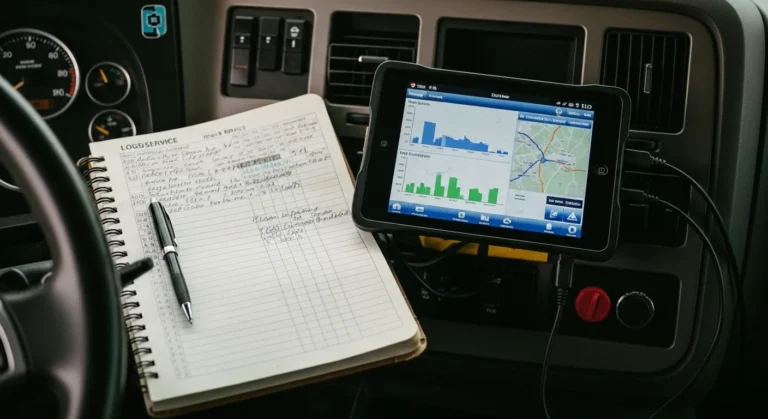
FMCSA Revoked ELDs: Fleet Compliance and Enforcement Deadlines
FMCSA removed five electronic logging devices from the registered list on August 6, 2026, and set an October.
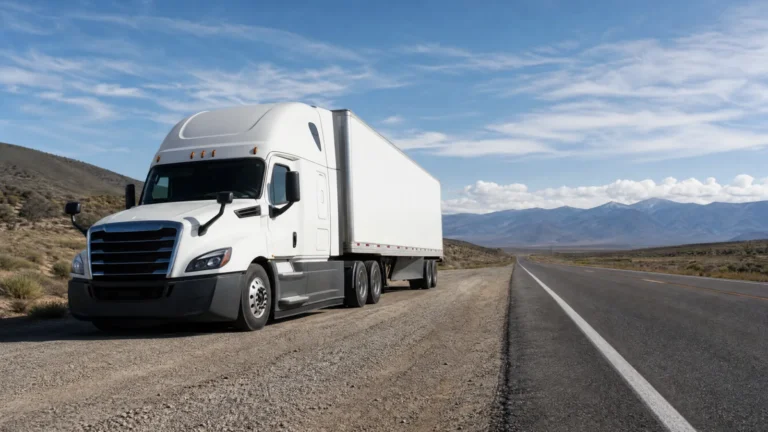
FMCSA English Proficiency Rule and OOS Enforcement
FMCSA English Proficiency Rule Sam Aguiar Injury Lawyers August 11, 2026 7 minute read On This Page.