
Liability and Insurance for Self-Driving Trucks
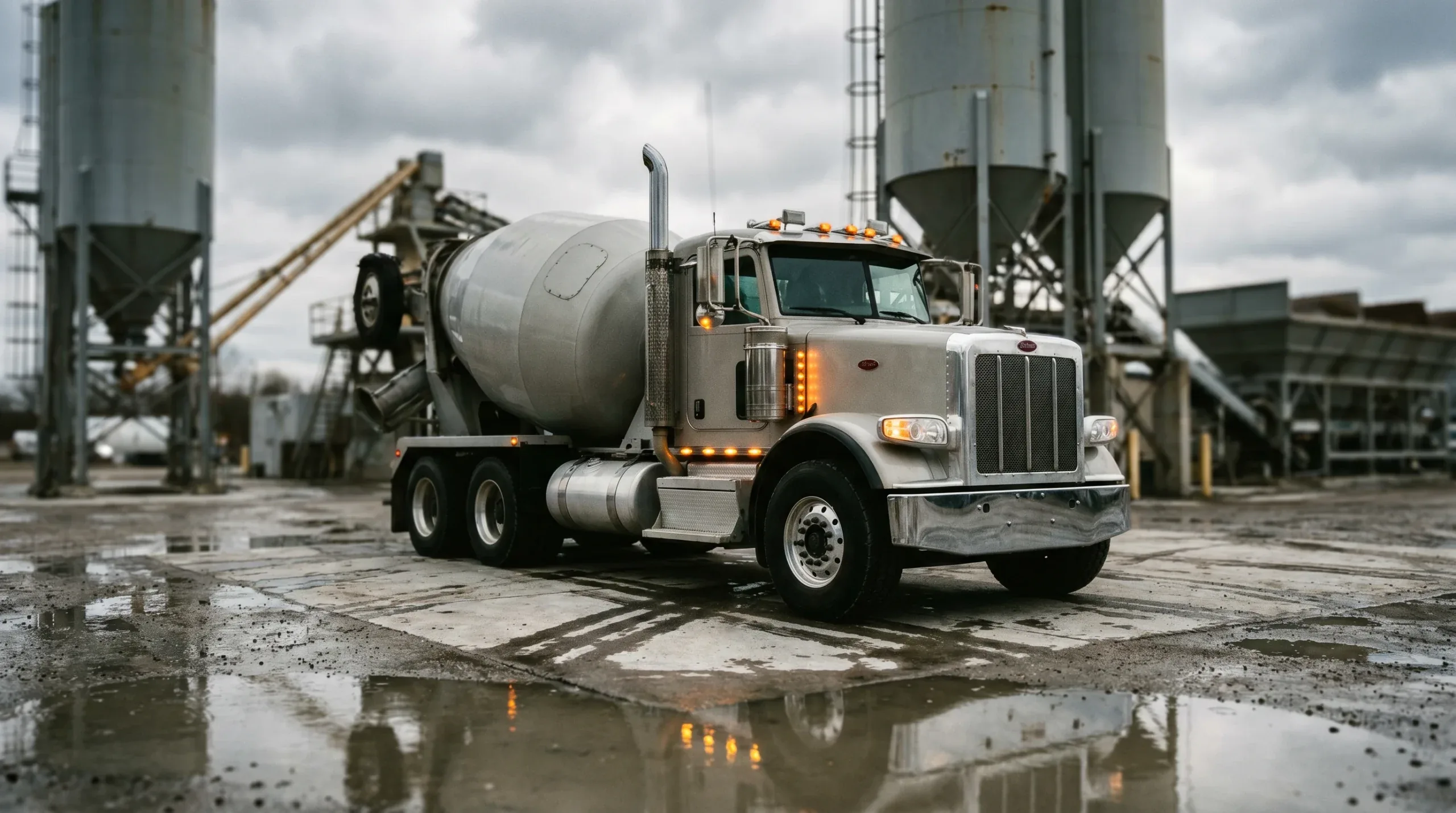
In May 2025, Aurora Innovation began commercial driverless trucking between Dallas and Houston on Interstate 45, moving customer freight in heavy-duty trucks without anyone behind the wheel. As the technology spreads, crash cases raise a new liability question: when a truck with no human driver causes a crash, responsibility can reach technology companies, fleet operators, and truck manufacturers, under state and federal rules written for human drivers.
SAE Levels of Automation
The SAE International J3016 standard defines six levels of driving automation, from Level 0 (no automation) to Level 5 (full automation in all conditions). Where a specific truck falls on that scale shows who was expected to perform the driving task when the crash happened.
Six SAE Levels Separate Driver Assistance From Driverless Operation
Levels of driving automation defined in SAE J3016
No automation. The human driver performs all driving tasks.
Driver assistance. The system supports steering or braking and speed, and the human driver does the rest.
Partial automation. The system controls steering and speed together while the human driver monitors.
Conditional automation. The system drives, and a human must be ready to take over when asked.
High automation. The system drives without human backup inside a defined operational design domain.
Full automation. The system handles all conditions everywhere.
Source: SAE International
Driverless commercial deployments such as Aurora’s operate at Level 4, meaning the system drives without a human driver on defined routes under defined conditions. When conditions fall outside those definitions, the system is designed to bring the truck to a safe stop. A failure to do so sits at the center of most autonomous truck liability questions.
Liable Parties After an Autonomous Truck Crash
Liability in an autonomous truck crash is rarely assigned to a single party. Which companies share it depends on the technology involved, the deployment decisions, and what failed.
Autonomous Driving System Developer
The company that develops and deploys the automated driving system can be liable under product liability and negligence theories if the system failed to perform as designed or was deployed outside its validated operating conditions. When software makes the decision that causes a crash, the developer of that software is a potential defendant.
Truck Manufacturer
The manufacturer of the truck can be liable if brakes, steering, sensors, or other hardware failed in a way that contributed to the crash. Autonomous systems connect directly to vehicle hardware, so the line between a software failure and a hardware failure can blur, and the developer and the manufacturer can both be named for an integrated system failure.
Fleet Operator and Motor Carrier
The company that operates the autonomous truck, whether as fleet owner or as a carrier using the system, keeps its carrier obligations under FMCSA regulations. The carrier must keep the vehicle in safe operating condition and carry the required insurance. A carrier that runs an autonomous truck on routes or in conditions outside the system’s validated operating domain can be directly negligent. The same carrier duties anchor an ordinary semi-truck accident case.
Remote Support Personnel
Some Level 4 deployments use remote staff who monitor trucks and can respond in certain situations. Kentucky requires an operator to file a law enforcement interaction plan describing how to reach a fleet support specialist available while the vehicle is in operation. If remote staff failed to respond to a situation that called for intervention, that failure can put their employer in the case.
Maintenance and Infrastructure Contractors
Autonomous trucks depend on map data, sensor calibration, and road infrastructure in ways conventional trucks do not. A failure in map updates, sensor maintenance, or the road markings the system relied on can create liability for companies beyond the usual carrier, driver, and manufacturer.
Kentucky Autonomous Vehicle Statute
Kentucky regulates fully autonomous vehicles under KRS 186.760 to 186.779, created by 2024 Ky. Acts ch. 176 and effective July 15, 2024. KRS 186.763 allows a fully autonomous vehicle to operate without a human driver when the automated driving system is engaged, the vehicle can reach a minimal risk condition after a system failure, and it can comply with state traffic laws. Subsection (2) required a credentialed human driver in any fully autonomous vehicle over 62,000 pounds declared gross weight from July 15, 2024, until July 31, 2026.
Insurance proof comes first. Under KRS 186.766, a fully autonomous vehicle that is not a motor carrier must show single-limit liability coverage of at least $1,000,000 before it runs without a human driver. A fully autonomous vehicle that is a motor carrier must show coverage that satisfies KRS 281.655. Commercial policies, excess layers, and the MCS-90 endorsement can all sit above that filing, and the developer and manufacturer may carry their own product liability coverage.
Senate Bill 241 (2025) proposed changes to that statute but did not pass. It was introduced on February 18, 2025, and referred to committee.
Autonomous Truck Data Records
An autonomous truck records far more than the engine and logging data of a conventional truck. The records that show what the system perceived and decided include:
- LiDAR point clouds showing the environment the truck perceived in three dimensions
- Camera feeds from multiple angles recording what the system detected
- Radar data tracking the positions and speeds of surrounding vehicles
- Decision logs showing what the system chose to do
- Sensor fusion records showing how separate inputs were combined
- System status logs showing whether any component was degraded or failed
- Remote support logs, when remote staff were involved
- Map matching data showing whether the truck was inside its validated operating zone
Those files show whether the system’s decision stayed inside what the technology was designed to do. Preserving them uses the same demand process as a conventional truck case, directed at companies with complex data systems. The broader record set is covered in truck accident injury cases.
Current Autonomous Trucking Operations
Aurora’s first driverless commercial route ran on I-45 between Dallas and Houston, with Uber Freight and Hirschbach Motor Lines as launch customers. In Kentucky, the heavy-truck human-driver window in KRS 186.763(2) ran through July 31, 2026.
Crashes involving trucks with driver assistance features raise the same questions before full autonomy arrives: whether the driver monitored the system as required at Level 2, and whether the manufacturer’s design contributed to the crash. A lane-keeping system, automatic emergency braking, or adaptive cruise control that malfunctions can support a product liability claim against the truck or technology manufacturer.
Can a Self-Driving Truck Company Be Held Liable?
A crash involving an automated truck can point to the carrier, the technology developer, or the maker of a braking or lane-keeping system that failed. Sam Aguiar Injury Lawyers has a dedicated trucking team that pursues the sensor logs, software records, and maintenance data these cases depend on. You pay $0 Out-Of-Pocket Forever while that work gets done. Ask for a free case review to find out who may owe you for your injuries.
Frequently Asked Questions
1Can the company that made self-driving software be sued after an autonomous truck crash?+
2Does a truck need to be fully driverless for an automation liability case?+
3What insurance applies to autonomous trucks in Kentucky?+
4Did Kentucky Senate Bill 241 raise autonomous vehicle insurance to $5 million?+
5What are the SAE levels of driving automation?+
Latest Articles
Kentucky Diminished Value Claims
Kentucky drivers may pursue a repaired vehicle’s leftover market loss from the at-fault driver as part of a.
FMCSA Revoked ELDs: Fleet Compliance and Enforcement Deadlines
FMCSA removed five electronic logging devices from the registered list on August 6, 2026, and set an October.
FMCSA English Proficiency Rule and OOS Enforcement
FMCSA English Proficiency Rule Sam Aguiar Injury Lawyers August 11, 2026 7 minute read On This Page.