

First Steps in a Kentucky Personal Injury Claim

Kentucky law requires a driver involved in an accident that injures someone to stop, check on the people involved, and give aid under KRS 189.580. What happens in the hours right after an accident, and in the days that follow, has a direct effect on physical recovery and on the ability to recover full compensation. This first part of the Kentucky personal injury series covers those first steps. The later parts cover the insurance system and injury claim rights, the claim process, negotiations and litigation, and trial and life after the case.
Police Report and Scene Duties
A call to 911 brings police and emergency care to the scene. A police report creates an official record of the accident: who was there, what happened, and who the responding officer believed was responsible. Without one, insurance companies have more room to dispute the facts.
While waiting for police and emergency services, a driver should:
- Move out of traffic when it is safe to do so, without leaving the scene.
- Check on the other people involved and call for medical care for anyone injured.
- Avoid apologizing or admitting fault, even casually, because statements made at the scene can be used against the driver later.
- Exchange names, addresses, phone numbers, insurance information, and license plate numbers with all drivers.
- Get the badge numbers of responding officers and ask how to obtain the crash report.
Kentucky Reporting Requirements
Under KRS 189.635, a driver involved in an accident that causes injury to anyone, or damage that leaves a vehicle inoperable, must immediately notify a law enforcement officer with jurisdiction. When police do not respond to the scene, a report can be filed with the Kentucky State Police or the local law enforcement agency. The report is a foundational document for the claim.
Medical Attention After an Accident
Prompt medical care is the step people most often skip. Adrenaline masks pain, and injuries like concussions, internal bleeding, whiplash, and herniated discs frequently produce no noticeable symptoms for hours or days. By the time pain becomes obvious, insurance adjusters can use the gap between the accident and the first medical visit to argue the injuries were minor, or were not caused by the accident at all.
The safest course is a same-day visit to the emergency room, urgent care, or a primary care physician. At that visit, the injured person should:
- Tell the provider exactly how the accident happened and what part of the body hit what.
- Report every symptom, even minor ones such as headaches, neck stiffness, back pain, dizziness, and numbness.
- Describe symptoms accurately without downplaying them, because the medical records become the foundation of the claim.
- Follow through with every recommended treatment, referral, and follow-up appointment.
Treatment gaps are one of the most common ways insurance companies reduce claim values. Skipped appointments, stopping treatment before a doctor’s release, or a delay in seeking care all give adjusters a gap to argue the injuries were less severe than claimed.
Scene Documentation
A smartphone is one of the most useful tools in the first minutes after an accident. Documentation works best before the vehicles are moved:
- Photographs of the vehicles from all four sides, with close-ups of the damage and wide shots showing their position in the roadway. Vehicle positions at impact show how the accident happened, and that evidence is gone once the cars are moved.
- Photographs of the road and surroundings, including skid marks, road defects, traffic signals, signage, weather, and lighting, along with the exact address or cross streets and the time of day.
- Names and phone numbers of witnesses. Independent bystanders are difficult for insurance companies to dismiss.
- Nearby surveillance cameras. Traffic cameras, business security cameras, and residential cameras may have recorded the accident, and that footage is overwritten quickly, as covered in obtaining car accident footage.
- Notes on what the other driver said, such as an apology or an admission of not seeing the other vehicle, written down immediately while memory is fresh.
Insurance Company Tactics in the First Days
Insurance companies move quickly after an accident to protect their own interests, and a few early decisions can protect thousands of dollars in a settlement.
Recorded Statements
The other driver’s insurance company will likely call within a day or two asking for a recorded statement. No law requires the injured person to give one. The questions are built to draw out something that reduces or denies the claim, such as whether the person is feeling okay or back to normal yet. A casual “I’m doing better” can later be used to argue the injuries have resolved.
The injured person’s own insurance company may also ask for a recorded statement. The policy likely requires cooperation with that insurer, but the policyholder can still have an attorney present first, and speaking with an attorney before any recorded call is the safest approach.
Quick Settlement Offers
Fast settlement offers almost always arrive before the full extent of the injuries is known. Once a settlement is accepted and a release is signed, the claim is closed permanently, even if surgery or complications follow. Full compensation depends on knowing the full picture of the losses first.
Social Media Activity
Insurance companies routinely monitor claimants’ social media accounts. Photos, check-ins, and posts showing physical activity or a good mood after an accident are regularly used to dispute injury severity. The safest approach is to post nothing about the accident or daily activities during recovery.
Personal Impact Records
Medical records document physical injuries, but personal injury claims also compensate for pain, suffering, emotional distress, and changes to daily life. That part of the claim is harder to establish without the injured person’s own records.
A daily injury journal, even a few notes on a phone each day, can track:
- Pain level and location.
- Activities the injuries prevented that day.
- Effects on sleep, mood, relationships, and work.
- Medications and their side effects.
- Every medical appointment, its cost, and the transportation used.
- Out-of-pocket expenses such as transportation, home care, and medical equipment.
Combined with the medical records, that journal shows how the accident changed the injured person’s life, which directly affects the value of the claim.
Attorney Timing After an Accident
An attorney is most effective when involved as early as possible. Surveillance footage is overwritten, witnesses become harder to reach, and skid marks fade, so earlier involvement means earlier evidence preservation.
The choice of attorney also affects how insurance companies value a claim. Insurance companies track attorney performance, and firms with strong trial records are taken more seriously at the negotiating table.
Ready to Take Action on Your Injury Claim?
After a serious injury, medical bills pile up while the insurance company looks for ways to pay you less. Most law firms take their cut first and leave you with whatever is left. Sam Aguiar Injury Lawyers does things differently. With our exclusive Bigger Share Guarantee®, you always get more. Every client gets a dedicated three-person team: an attorney, a case manager, and a legal assistant. We never raise our fee rate if we have to go to court, and you pay $0 Out-Of-Pocket Forever.
Frequently Asked Questions
1Is calling the police required after a car accident in Kentucky?+
2What if there is no pain right after the accident?+
3Is a recorded statement to the other driver’s insurance company required?+
4How long is there to file a lawsuit in Kentucky?+
Latest Articles
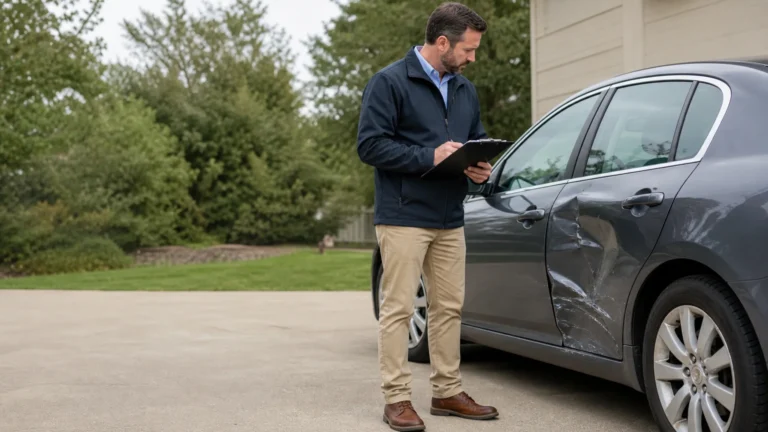
Kentucky Diminished Value Claims
Kentucky drivers may pursue a repaired vehicle’s leftover market loss from the at-fault driver as part of a.
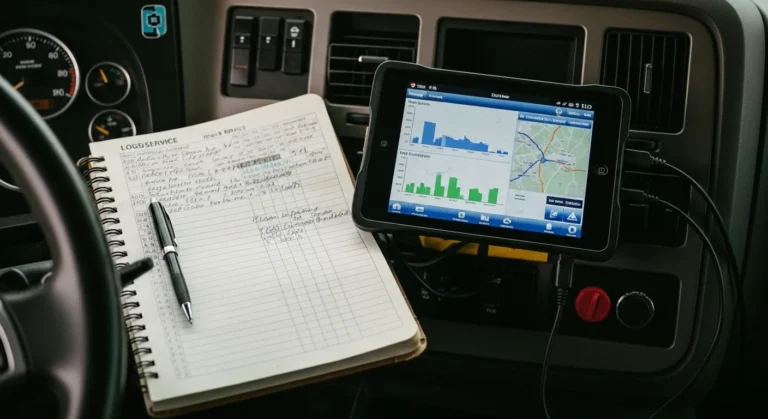
FMCSA Revoked ELDs: Fleet Compliance and Enforcement Deadlines
FMCSA removed five electronic logging devices from the registered list on August 6, 2026, and set an October.

FMCSA English Proficiency Rule and OOS Enforcement
FMCSA English Proficiency Rule Sam Aguiar Injury Lawyers August 11, 2026 7 minute read On This Page.