

Car Accident Footage Sources and Preservation
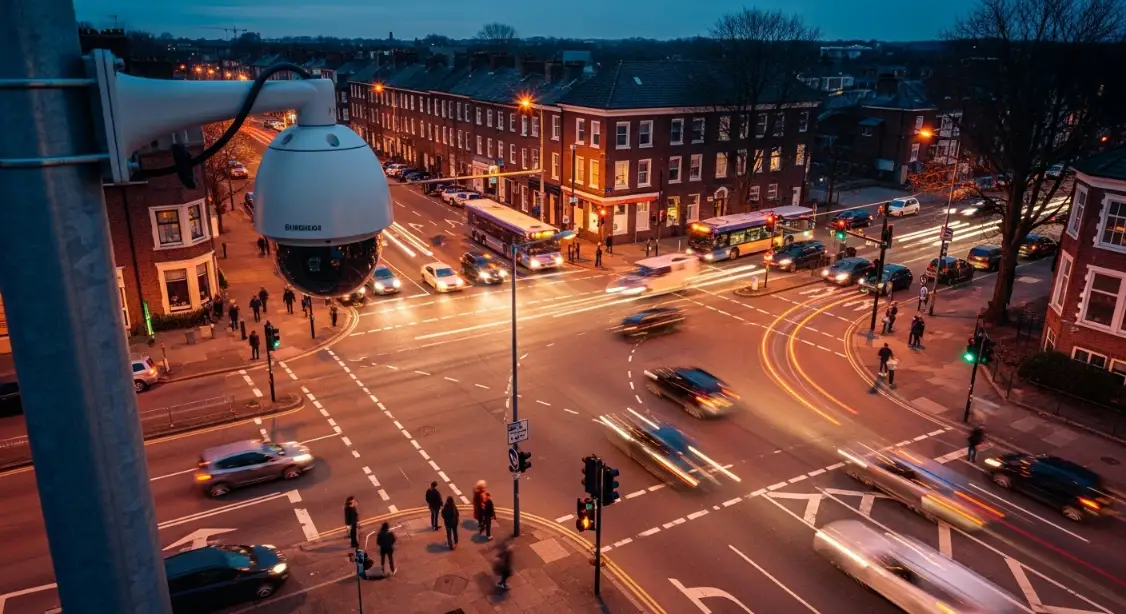
Crash footage is often the strongest evidence in a personal injury case. A traffic camera, business surveillance system, or dash camera that captured a crash shows what happened without relying on disputed witness accounts or the at-fault driver’s version of events. Most of that footage is on a countdown: many systems record over old video on a short cycle, and without a formal preservation demand, no one is required to save it.
Video Evidence in Crash Cases
Insurance adjusters are trained to dispute fault, and a driver who caused a crash may give a statement that contradicts what happened. Without video, a case often becomes one person’s word against another’s, and adjusters use that uncertainty to reduce settlement offers.
Video shows the position of the vehicles at impact, whether a signal was run, how fast a vehicle was traveling, and who was in which lane. In trucking cases, footage from the scene combined with the truck’s onboard systems can establish a complete timeline of the crash.
Camera Sources
Traffic Signal and City Cameras
Louisville Metro and the Kentucky Transportation Cabinet operate camera systems at many major intersections and along arterial roads, including cameras run through the KYTC Traffic Operations program and Metro Public Works. Preservation requests have to go to the correct agency. Sam Aguiar Injury Lawyers has direct real-time access to six-month rolling archives of DOT and TRIMARC traffic camera footage, described in the article on using the DOT database to find crash footage.
Business Surveillance Cameras
Gas stations, restaurants, retail stores, apartment complexes, warehouses, and other businesses along a crash route often have exterior cameras that captured the crash or its aftermath. Identifying every camera within the likely field of view, on foot and through satellite imagery, and sending a preservation demand to each property owner is the only way to keep that footage from being overwritten.
Dash Cameras
The vehicles involved in the crash and other vehicles passing through the area may have recorded the collision. Footage can be requested from every involved vehicle and from identified third-party witnesses. In trucking cases, fleet-managed forward-facing and inward-facing cameras on the truck are another source.
Police and First Responder Body Cameras
Louisville Metro Police, Kentucky State Police, and first responder agencies use body cameras. Scene footage can show the positions of the vehicles, statements made at the time, and the at-fault driver’s behavior after the crash. Kentucky residents can request public records, including this footage, under the Open Records Act, KRS 61.872.
Truck Onboard Cameras
Modern commercial trucks carry forward-facing event cameras, lane departure systems, and in some cases inward-facing driver monitoring cameras. The carrier owns that footage, and it is subject to rapid overwrite or deletion. A spoliation letter to the trucking company demanding preservation of all onboard camera footage is part of a truck crash investigation.
Toll and Highway Cameras
The tolled Ohio River bridges use camera infrastructure at toll points and approach lanes, so a crash near those locations may be captured from several angles. Toll operator camera coverage can be identified and included in preservation requests.
Retention Periods
Retention periods catch most crash victims off guard. While an injured person is focused on medical treatment and insurance calls, the footage of the crash may be recorded over. Retention varies by source:
- City and KYTC traffic cameras: some systems overwrite continuously without archiving unless a preservation hold is in place.
- Business surveillance systems: most overwrite on a cycle measured in days or weeks.
- Dash cameras: loop recording on most consumer units begins overwriting immediately.
- Trucking company onboard cameras: carriers set their own retention policies, and footage can be deleted before a policy period ends.
- Police body cameras: retention depends on the agency’s policy and the type of incident.
Preservation Letters
A preservation or spoliation letter is a formal notice to anyone who may hold footage or other evidence. It puts the recipient on notice that the evidence may be relevant to litigation and should be preserved. Destroying evidence after that notice can lead to sanctions or an instruction that lets the jury infer the evidence was unfavorable to the party that destroyed it.
Collection Steps
- Scene mapping: every camera that could have captured the crash, its approach, or its aftermath is identified through satellite imagery, knowledge of the area, and investigation.
- Preservation letters: formal demands go to city agencies, business owners, trucking companies, and any third party with potential footage, describing what must be preserved and the consequences of failing to do so.
- Open records requests: police body camera footage, traffic camera archives, and crash investigation records are requested under KRS 61.872.
- Business canvassing: investigators visit the crash area to find businesses and residences with exterior cameras that do not appear on public maps, since in-person contact is often faster than a mailed letter.
- Subpoenas and discovery: once a lawsuit is filed, formal discovery reaches footage that was preserved but not voluntarily produced, along with fleet management data and a carrier’s internal incident reports. The trucking evidence page covers those records.
Trucking Crash Footage
Commercial trucking crashes produce more potential footage sources than most other crashes. Along with the outside sources above, a commercial truck may contain:
- Forward-facing event cameras, such as DriveCam and Lytx systems, that record the road ahead and trigger on hard braking, sharp turns, or impact.
- Driver-facing cameras that can capture distraction, fatigue, or inattention in the moments before a crash.
- Electronic logging device (ELD) data: timestamped records of location and driving time that can corroborate or contradict the video.
- Engine control module (ECM) data that records the truck’s speed, throttle, and brake applications in the seconds before impact.
All of it is perishable, which is why preservation demands in a trucking case go out as early as possible.
Spoliation Remedies
When a party that received a preservation demand destroys footage or lets it be overwritten anyway, courts can respond. In Kentucky civil cases, a court may instruct the jury that it can infer the destroyed evidence would have been unfavorable to the party that destroyed it.
In federal court, Federal Rule of Civil Procedure 37(e) governs lost electronically stored information. When a party failed to take reasonable steps to preserve it and it cannot be replaced, the court may order measures to cure the prejudice, and on a finding of intent to deprive, it may presume the information was unfavorable, instruct the jury to presume so, or dismiss the action or enter a default judgment.
Where Is the Video of Your Crash Right Now?
Store cameras, doorbells, dashcams and traffic systems all record over themselves, and once footage is gone, spoliation remedies are only a partial fix. Sam Aguiar Injury Lawyers has access to DOT and TRIMARC traffic camera archives reaching back about six months. That footage can put the crash itself in front of an adjuster or a jury. Most cases qualify in under 10 minutes, so request a free case review while the video still exists.
Frequently Asked Questions
1Can traffic camera footage be obtained after a crash in Louisville?+
2What if a business already deleted the footage?+
3How is police body camera footage obtained after a crash?+
4Can a truck’s own camera footage be obtained after a crash?+
5What if no camera captured the crash?+
Latest Articles
Kentucky Diminished Value Claims
Kentucky drivers may pursue a repaired vehicle’s leftover market loss from the at-fault driver as part of a.
FMCSA Revoked ELDs: Fleet Compliance and Enforcement Deadlines
FMCSA removed five electronic logging devices from the registered list on August 6, 2026, and set an October.
FMCSA English Proficiency Rule and OOS Enforcement
FMCSA English Proficiency Rule Sam Aguiar Injury Lawyers August 11, 2026 7 minute read On This Page.