{ “@context”: “https://schema.org”, “@type”: “FAQPage”, “mainEntity”: [ { “@type”: “Question”, “name”: “Can a car accident cause CTE?”, “acceptedAnswer”: { “@type”: “Answer”, “text”: “CTE is caused by repeated head trauma, not a single event. A car accident that causes a concussion adds to a personu2019s cumulative brain trauma history. For someone with prior concussions from sports, falls, or previous crashes, a new car accident concussion increases the total damage. The Boston University CTE Center has documented CTE in individuals with non-sports head trauma.” } }, { “@type”: “Question”, “name”: “Can CTE be diagnosed while a person is alive?”, “acceptedAnswer”: { “@type”: “Answer”, “text”: “As of 2026, CTE can only be confirmed through post-mortem brain tissue examination. However, researchers at Boston University and the National Institutes of Health are developing biomarker and PET scan methods that may allow in-vivo diagnosis in the future.” } }, { “@type”: “Question”, “name”: “What is second-impact syndrome?”, “acceptedAnswer”: { “@type”: “Answer”, “text”: “Second-impact syndrome occurs when a person sustains a new concussion before fully recovering from a prior one. The brain can swell rapidly, with potentially fatal results. Even without full second-impact syndrome, a second concussion during the recovery window compounds the damage from the first.” } }, { “@type”: “Question”, “name”: “How did the NFL concussion crisis start?”, “acceptedAnswer”: { “@type”: “Answer”, “text”: “In 2002, Dr. Bennet Omalu discovered abnormal tau protein deposits in the brain of deceased Pittsburgh Steelers center Mike Webster. He published his findings in Neurosurgery in 2005. The NFL initially denied the connection. Congressional hearings in 2009 and continued research eventually forced the league to acknowledge the link between repeated head impacts and long-term brain disease.” } }, { “@type”: “Question”, “name”: “Does a prior concussion affect my car accident claim?”, “acceptedAnswer”: { “@type”: “Answer”, “text”: “Yes. A prior concussion makes your brain more vulnerable to further injury. If a car accident causes a new concussion, the cumulative effect may produce symptoms more severe than either event alone. Under Kentuckyu2019s eggshell plaintiff doctrine, the at-fault driver takes you as they find you, including your history of prior brain trauma.” } }, { “@type”: “Question”, “name”: “What research supports the link between CTE and repeated impacts?”, “acceptedAnswer”: { “@type”: “Answer”, “text”: “The most comprehensive research comes from the Boston University CTE Center, which has examined hundreds of donated brains. A 2023 study led by Dr. Ann McKee found CTE in 91.7% of former NFL players examined. Additional research published in Nature has identified DNA damage and immune system changes in individuals with repetitive head impact exposure.” } }, { “@type”: “Question”, “name”: “What imaging tests detect brain damage from repeated concussions?”, “acceptedAnswer”: { “@type”: “Answer”, “text”: “Standard CT and MRI scans may appear normal after a concussion. Advanced imaging techniques like diffusion tensor imaging (DTI) and functional MRI (fMRI) can detect changes in white matter and brain connectivity that standard imaging misses. Radiology imaging plays a critical role in documenting brain injuries for car accident claims.” } } ] } .sa-page-wrapper * { font-family: ‘Poppins’, sans-serif; box-sizing: border-box; } .sa-page-wrapper { max-width: 100%; margin: 0 auto; padding: 0; color: #0b212d; line-height: 1.7; font-size: 17px; font-weight: 500; background: #fff; } .sa-hero { position: relative; width: 100%; min-height: 420px; overflow: hidden; display: flex; align-items: flex-end; } .sa-hero img { position: absolute; top: 0; left: 0; width: 100%; height: 100%; object-fit: cover; object-position: center; z-index: 1; } .sa-hero-overlay { position: absolute; top: 0; left: 0; width: 100%; height: 100%; background: linear-gradient(to top, rgba(0,61,84,.92) 0, rgba(0,61,84,.6) 50%, rgba(0,61,84,.25) 100%); z-index: 2; } .sa-hero-content { position: relative; z-index: 3; padding: 60px 40px 44px; max-width: 900px; width: 100%; } .sa-hero h1 { font-size: 42px; font-weight: 700; line-height: 1.25; color: #fff; margin: 0 0 16px; text-shadow: 0 2px 8px rgba(0,0,0,.3); } .sa-hero-sub { font-size: 22px; font-weight: 500; color: #fff; line-height: 1.5; margin: 0; } .sa-trust-bar { background: #fff; padding: 14px 40px; display: flex; flex-wrap: wrap; gap: 24px; align-items: center; justify-content: center; } .sa-trust-bar span { color: #f89c22; font-size: 16px; font-weight: 600; letter-spacing: .03em; white-space: nowrap; } .sa-trust-bar .sa-trust-divider { width: 1px; height: 16px; background: #0b212d; } .sa-content-grid { display: grid; grid-template-columns: 1fr 340px; gap: 48px; max-width: 1200px; margin: 0 auto; padding: 48px 40px; } .sa-main-content h2 { font-size: 28px; font-weight: 700; color: #0b212d; margin: 40px 0 16px; line-height: 1.25; text-align: center; } .sa-main-content h3 { font-size: 22px; font-weight: 600; color: #0b212d; margin: 32px 0 12px; line-height: 1.3; text-align: center; } .sa-main-content p { font-size: 17px; line-height: 1.75; color: #0b212d; margin: 0 0 18px; text-align: left; } .sa-main-content a { color: #0b212d; text-decoration: underline; font-weight: 500; } .sa-main-content a:hover { color: #f89c22; } .sa-snippet { background: #f7f9fa; border-left: 4px solid #f89c22; padding: 20px 24px; margin: 0 0 32px; border-radius: 0 8px 8px 0; font-size: 17px; line-height: 1.7; color: #0b212d; } .sa-stat-row { display: grid; grid-template-columns: repeat(auto-fit, minmax(200px, 1fr)); gap: 16px; margin: 28px 0; } .sa-stat-card { background: #0b212d; border-radius: 10px; padding: 24px; text-align: center; } .sa-stat-number { font-size: 36px; font-weight: 700; color: #f89c22; display: block; line-height: 1.1; margin-bottom: 6px; } .sa-stat-label { font-size: 14px; font-weight: 500; color: #fff; line-height: 1.4; } .sa-callout { background: #fff; border: 2px solid #0b212d; border-radius: 12px; padding: 28px 32px; margin: 32px 0; color: #0b212d; } .sa-callout h3 { color: #0b212d; font-size: 20px; font-weight: 700; margin: 0 0 12px; text-align: left; } .sa-callout p { color: #0b212d; font-size: 17px; line-height: 1.65; margin: 0 0 12px; } .sa-callout p:last-child { margin-bottom: 0; } .sa-callout a { color: #0b212d; text-decoration: underline; font-weight: 600; } .sa-callout a:hover { color: #f89c22; } .sa-highlight-box { background: #0b212d; border-radius: 10px; padding: 22px 26px; margin: 28px 0; } .sa-highlight-box p { font-size: 17px; color: #fff; line-height: 1.7; margin: 0; } .sa-highlight-box strong { color: #fff; } .sa-timeline-row { display: flex; flex-wrap: wrap; gap: 15px; justify-content: center; margin: 28px 0; } .sa-timeline-card { background: #f7f9fa; border-top: 4px solid #f89c22; border-radius: 8px; padding: 20px; flex: 1; min-width: 200px; max-width: 280px; border: 1px solid #e5e9ec; } .sa-timeline-card .sa-tl-year { font-weight: 700; font-size: 14px; color: #f89c22; margin: 0 0 5px; } .sa-timeline-card .sa-tl-title { font-weight: 600; font-size: 15px; color: #0b212d; margin: 0 0 8px; } .sa-timeline-card .sa-tl-desc { font-size: 14px; color: #0b212d; line-height: 1.5; margin: 0; } .sa-faq-section { margin: 40px 0; } .sa-faq-item { border: 1px solid #e5e9ec; border-radius: 10px; margin-bottom: 12px; overflow: hidden; } .sa-faq-question { background: #fff; padding: 18px 52px 18px 20px; cursor: pointer; font-size: 17px; font-weight: 600; color: #0b212d; position: relative; list-style: none; } .sa-faq-question::-webkit-details-marker { display: none; } .sa-faq-question::after { content: ‘+’; position: absolute; right: 20px; top: 50%; transform: translateY(-50%); font-size: 22px; color: #f89c22; font-weight: 700; } details[open] .sa-faq-question::after { content: ‘2212’; } .sa-faq-answer { padding: 16px 20px 20px; font-size: 17px; line-height: 1.7; color: #0b212d; } .sa-cta-banner { background: linear-gradient(135deg, #0b212d 0%, #142130 100%); padding: 48px 40px; text-align: center; margin-top: 8px; position: relative; overflow: hidden; } .sa-cta-banner h2 { color: #fff; font-size: 32px; font-weight: 700; margin: 0 0 12px; } .sa-cta-banner p { color: #d0d9df; font-size: 18px; margin: 0 0 28px; max-width: 600px; margin-left: auto; margin-right: auto; line-height: 1.6; } .sa-cta-banner .sa-cta-phones { display: flex; justify-content: center; gap: 20px; flex-wrap: wrap; margin-bottom: 20px; } .sa-cta-banner .sa-cta-phone { display: inline-block; background: #fff; color: #0b212d; font-size: 22px; font-weight: 700; padding: 16px 32px; border-radius: 8px; text-decoration: none; } .sa-cta-banner .sa-cta-phone:hover { color: #f89c22; } .sa-cta-banner .sa-cta-sublabel { display: block; font-size: 16px; font-weight: 700; margin-top: 8px; } .sa-cta-banner .sa-cta-subtext { color: #f89c22; font-size: 16px; font-weight: 600; margin: 0; } .sa-sidebar-cta { background: #0b212d; border-radius: 14px; padding: 32px 28px; margin-bottom: 24px; text-align: center; } .sa-sidebar-cta h3 { color: #fff; font-size: 22px; font-weight: 700; margin: 0 0 8px; line-height: 1.25; } .sa-sidebar-cta p { color: #fff; font-size: 17px; line-height: 1.55; margin: 0 0 20px; } .sa-phone-label { font-size: 18px; color: #fff; display: block; font-weight: 600; margin-bottom: 6px; letter-spacing: .03em; } .sa-phone-link { display: block; background: #fff; color: #0b212d; font-size: 18px; font-weight: 700; padding: 14px 20px; border-radius: 8px; text-decoration: underline; text-underline-offset: 4px; margin-bottom: 12px; border: 2px solid #f89c22; box-shadow: 0 4px 16px rgba(248,156,34,.18), 0 2px 6px rgba(0,0,0,.1); } .sa-phone-link:hover { color: #f89c22; } .sa-sidebar-guarantee { background: #fff; border: 2px solid #0b212d; border-radius: 14px; padding: 24px; text-align: center; margin-bottom: 24px; box-shadow: 0 4px 16px rgba(248,156,34,.18), 0 2px 6px rgba(0,0,0,.1); } .sa-bsg-logo { display: block; margin: 0 auto 12px; max-width: 120px; } .sa-sidebar-guarantee h4 { color: #f89c22; font-size: 20px; font-weight: 700; margin: 0 0 8px; } .sa-sidebar-guarantee p { color: #0b212d; font-size: 18px; line-height: 1.55; margin: 0; font-weight: 500; } .sa-sidebar-trust { background: #f7f9fa; border: 1px solid #e5e9ec; border-radius: 14px; padding: 24px; } .sa-sidebar-trust h4 { color: #0b212d; font-size: 20px; font-weight: 700; margin: 0 0 14px; text-align: center; } .sa-sidebar-trust ul { list-style: none; padding: 0; margin: 0; } .sa-sidebar-trust li { font-size: 18px; color: #0b212d; padding: 8px 0; border-bottom: 1px solid #e5e9ec; font-weight: 500; display: flex; align-items: center; gap: 8px; } .sa-sidebar-trust li:last-child { border-bottom: none; } .sa-sidebar-trust li::before { content: ‘✓’; color: #f89c22; font-weight: 700; font-size: 16px; } .sa-form-section { background: #0b212d; padding: 48px 40px; text-align: center; } .sa-form-section h2 { color: #fff !important; font-size: 28px; font-weight: 700; margin: 0 0 24px; } .sa-form-container { max-width: 640px; margin: 0 auto; } @media (max-width: 768px) { .sa-hero { min-height: 320px; } .sa-hero h1 { font-size: 24px; margin-bottom: 12px; } .sa-hero-content { padding: 36px 20px 32px; } .sa-hero-sub { font-size: 18px; } .sa-trust-bar { display: grid; grid-template-columns: 1fr 1fr; gap: 12px; padding: 12px 20px; text-align: center; } .sa-trust-bar span { font-size: 14px; } .sa-trust-bar .sa-trust-divider { display: none; } .sa-content-grid { display: block; padding: 32px 20px; } .sa-sidebar { width: 100%; margin-top: 32px; } .sa-timeline-row { flex-direction: column; } .sa-timeline-card { max-width: 100%; } .sa-cta-banner { padding: 36px 20px; } .sa-cta-banner h2 { font-size: 26px; } .sa-form-section { display: none; } } @media (max-width: 400px) { .sa-hero h1 { font-size: 24px; } }
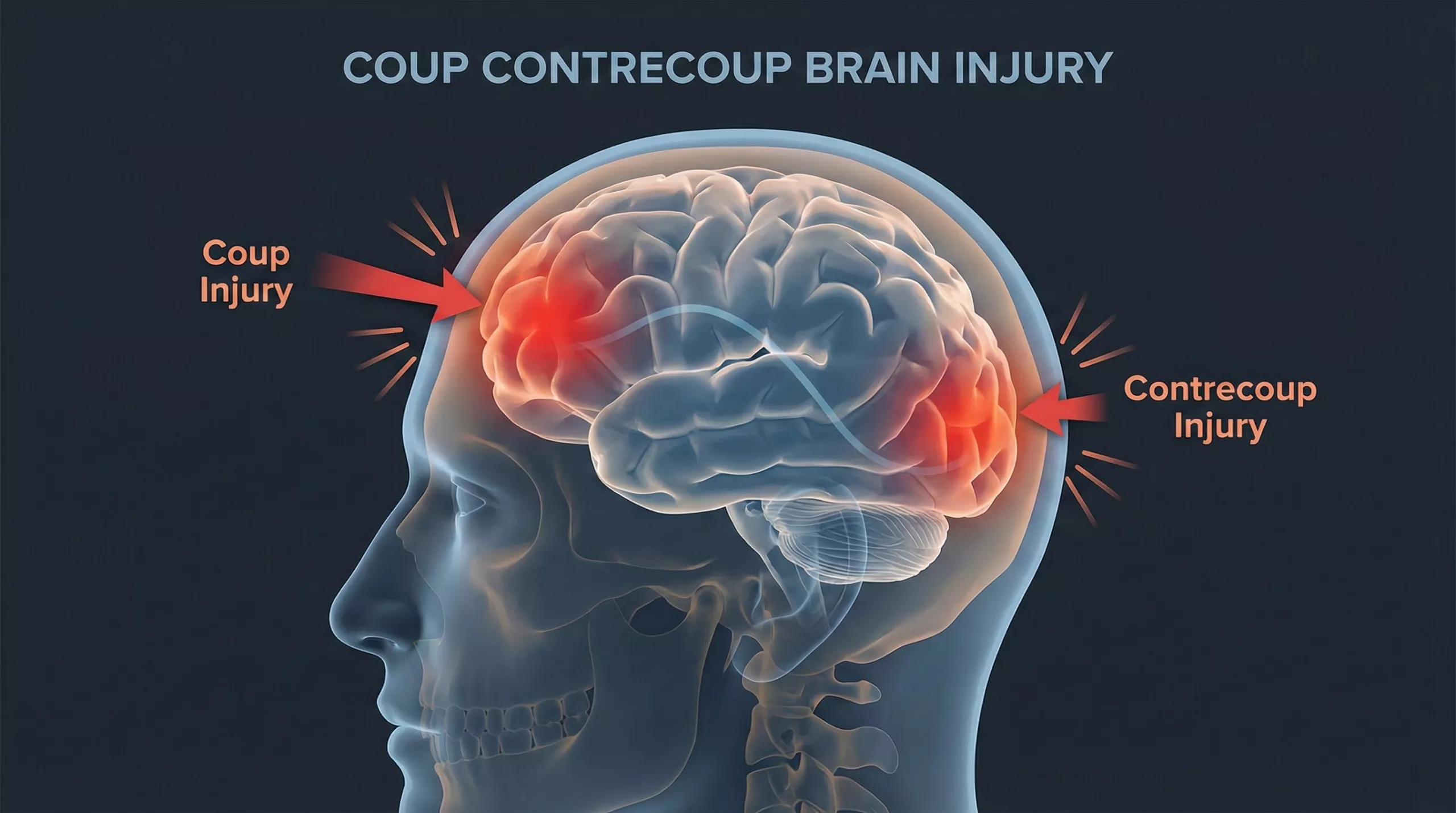
Brain scan imagery representing cte research and car accident brain injury

CTE & Car Accidents: What NFL Research Means for Crash Victims

Decades of NFL concussion research have proven that repeated brain trauma causes lasting damage. Car accidents produce the same forces.

Forbes Best-In-State 2025
Super Lawyers 2017–2026
1,000+ Five-Star Reviews — 4.9/5
$0 Out-Of-Pocket — Always

Chronic Traumatic Encephalopathy (CTE) is a progressive brain disease caused by repeated head trauma. Research from the Boston University CTE Center has found CTE in over 91% of former NFL players examined. CTE is not limited to athletes. Car accidents produce the same types of brain trauma: concussions and repeated sub-concussive impacts that trigger abnormal tau protein buildup. A person with a prior concussion from any cause faces elevated risk when a new crash causes another brain injury.

How the NFL Changed What We Know About Brain Trauma

The connection between repeated head trauma and long-term brain disease was not widely accepted until NFL research forced it into the open. The timeline spans more than two decades.

2002–2005

Dr. Omalu’s Discovery

Forensic pathologist Dr. Bennet Omalu examined the brain of Pittsburgh Steelers center Mike Webster and discovered abnormal tau protein deposits. He published his findings in Neurosurgery in 2005.

2005–2009

NFL Denial

The NFL’s Mild Traumatic Brain Injury Committee disputed Omalu’s findings. In 2009, Congressional hearings compared the NFL’s response to the tobacco industry’s denial of cancer risks.

2012

Junior Seau

Former San Diego Chargers linebacker Junior Seau died by suicide. The National Institutes of Health confirmed CTE in his brain tissue.

2015

NFL Settlement

The NFL agreed to a settlement fund exceeding one billion dollars for former players diagnosed with neurodegenerative diseases linked to repeated head trauma.

2017

Aaron Hernandez

Former New England Patriots tight end Aaron Hernandez was diagnosed posthumously with Stage III CTE at age 27, one of the most severe cases ever found in someone that young.

2023

BU CTE Center Study

A study led by Dr. Ann McKee at Boston University found CTE in 345 of 376 former NFL players examined, a rate of 91.7%.

What CTE Does to the Brain

CTE is caused by abnormal accumulations of phosphorylated tau protein in the brain. Tau protein normally stabilizes brain cell structure. After repeated impacts, tau proteins become misfolded and clump together, killing surrounding brain cells. The disease progresses through four stages.

Stage I–II Headaches, attention problems, mood changes, short-term memory loss
Stage III–IV Cognitive impairment, aggression, depression, dementia, motor difficulties
Post-mortem Currently can only be confirmed by brain tissue examination after death

Research published in Nature (2025) from Harvard Medical School and Boston University found that CTE involves DNA damage similar to Alzheimer’s disease, with immune system activation playing a key role in determining who develops the disease after repeated impacts.

Why This Research Matters for Car Accident Victims

CTE is not limited to professional athletes. The Boston University CTE Center has documented CTE in individuals with head trauma from military service, intimate partner violence, and other non-sports sources. The mechanism is the same: repeated impacts to the brain cause progressive tau protein accumulation.

Car accidents produce significant forces on the brain. A rear-end collision at moderate speed generates enough force to cause a concussion, even when the occupant is restrained. For someone who has had a prior concussion from any cause (sports, a fall, a previous crash), a new impact compounds the damage.

Second-impact syndrome occurs when a person sustains a new concussion before fully recovering from a prior one. The brain swells rapidly and the results can be catastrophic. Even without full second-impact syndrome, cumulative brain trauma from multiple concussions over a lifetime creates compounding risk that no single event captures on its own.

A BU-led study found that individuals with repetitive head impact exposure showed an average 56% loss of certain frontal neocortex neurons, along with vascular dysfunction and inflammatory responses, even without the classic tau protein markers. Sub-concussive impacts, not just diagnosed concussions, drive this damage.

What This Means for Your Car Accident Claim

If you had a prior concussion and a car accident caused another brain injury, the cumulative effect matters. A traumatic brain injury that might have resolved in weeks for someone with no prior history can produce lasting cognitive problems for someone with a history of head trauma.

Insurance adjusters treat each crash as an isolated event. They do not account for cumulative brain trauma. They will argue that your current symptoms are from the prior injury, not the crash. The medical research tells a different story: each new impact adds to the total damage, and the crash that pushes someone past a threshold is fully compensable.

Why Concussions Are Not Minor Injuries

A concussion is a traumatic brain injury. The idea that a concussion is “just getting your bell rung” is exactly the thinking the NFL used for decades before the science forced a reckoning. The same research that changed how the NFL treats head injuries applies to car accident victims. Every concussion matters. Every impact adds up.

At Sam Aguiar Injury Lawyers, we work with neurologists and neuropsychologists who understand cumulative brain trauma. We document not just the current injury, but the full history of head impacts, because that context is what makes the case.

Frequently Asked Questions

Can a car accident cause CTE?

CTE is caused by repeated head trauma, not a single event. A car accident that causes a concussion adds to a person’s cumulative brain trauma history. For someone with prior concussions from sports, falls, or previous crashes, a new car accident concussion increases the total damage. The Boston University CTE Center has documented CTE in individuals with non-sports head trauma.

Can CTE be diagnosed while a person is alive?

As of 2026, CTE can only be confirmed through post-mortem brain tissue examination. However, researchers at Boston University and the National Institutes of Health are developing biomarker and PET scan methods that may allow in-vivo diagnosis in the future.

What is second-impact syndrome?

Second-impact syndrome occurs when a person sustains a new concussion before fully recovering from a prior one. The brain can swell rapidly, with potentially fatal results. Even without full second-impact syndrome, a second concussion during the recovery window compounds the damage from the first.

How did the NFL concussion crisis start?

In 2002, Dr. Bennet Omalu discovered abnormal tau protein deposits in the brain of deceased Pittsburgh Steelers center Mike Webster. He published his findings in Neurosurgery in 2005. The NFL initially denied the connection. Congressional hearings in 2009 and continued research eventually forced the league to acknowledge the link between repeated head impacts and long-term brain disease.

Does a prior concussion affect my car accident claim?

Yes. A prior concussion makes your brain more vulnerable to further injury. If a car accident causes a new concussion, the cumulative effect may produce symptoms more severe than either event alone. Under Kentucky’s eggshell plaintiff doctrine, the at-fault driver takes you as they find you, including your history of prior brain trauma.

What research supports the link between CTE and repeated impacts?

The most comprehensive research comes from the Boston University CTE Center, which has examined hundreds of donated brains. A 2023 study led by Dr. Ann McKee found CTE in 91.7% of former NFL players examined. Additional research published in Nature has identified DNA damage and immune system changes in individuals with repetitive head impact exposure.

What imaging tests detect brain damage from repeated concussions?

Standard CT and MRI scans may appear normal after a concussion. Advanced imaging techniques like diffusion tensor imaging (DTI) and functional MRI (fMRI) can detect changes in white matter and brain connectivity that standard imaging misses. Radiology imaging plays a critical role in documenting brain injuries for car accident claims.

Every Concussion Matters. Every Impact Adds Up.

If a car accident caused a brain injury on top of a prior concussion, the cumulative damage is what matters. We document the full picture.

Get more. Get it faster. Get it with Sam Aguiar.

Free Case Review