
Inside the NTSB Hearings on the UPS Flight 2976 Crash

Attorneys Sam Aguiar and Jon Hollan observed in person in May 2026 as National Transportation Safety Board (NTSB) investigative hearings into the crash of UPS Flight 2976 exposed a pattern of corporate negligence, concealed evidence, and systemic regulatory failure. UPS Flight 2976 crashed on November 4, 2025, killing fifteen people.
NTSB Hearing Findings
Evidence at the hearings established that Boeing, UPS, ST Engineering, and the FAA each had critical information, repeated warning signs, and direct opportunities to act before Flight 2976 went down. The crash is under NTSB investigation as accident number DCA26MA024. The first wrongful-death filings are on the UPS crash suits page.
Boeing Notice of Component Failures in 2002
Boeing had notice in 2002 that components were failing and destroying the structural lugs that attach the engines to the wings of MD-11s. Boeing eventually issued “Service Letters” acknowledging that bearing race fractures had been found in service. Its operational safety process classified the issue as “not a safety of flight condition” and omitted that, in four of the five known failures, the damage was severe enough to require full structural bulkhead replacements.
Pylon Bearing Warning History
For the next two decades, warning signs about the MD-11’s defective pylon bearings were downplayed or ignored. The FAA’s Service Difficulty Report database was dysfunctional and effectively blind to safety trends, and Boeing treated repeated structural failures as additional data points. The result was a “fly to failure” loop that persisted for years.
A 2007 Boeing presentation confirmed that the failure could cause the loss of a load path between the wing and the engine pylon, and a report of an actual crack in the lug that same year was never included in the safety analysis. Boeing later redesigned the bearing to eliminate the defect but made the redesigned bearing optional, turning a known fix for a deadly defect into a suggestion. Boeing also created an inspection task intended to catch the migrating bearing before it could destroy the lugs, but never built it into the maintenance program with a required interval.
1979 DC-10 Engine Separation and FAA Response
An engine and pylon tore away from this family of aircraft during takeoff once before, on a DC-10 in 1979, as the NTSB had previously made public. After that disaster, the NTSB asked the FAA to fix the same reporting system that failed again here. The FAA closed that recommendation as “unacceptable” and called it an economic burden. Forty-six years later, the same family of aircraft and the same kind of failure took fifteen more lives.
UPS and FedEx Bearing Retrofit Decisions
FedEx retrofitted its fleet with the redesigned bearing, and UPS engineering did not. Both carriers were advised 15 years ago that the redesigned bearing was available and would eliminate the risks posed by components that had failed on multiple aircraft.
The firm’s statement on the hearings addressed UPS directly: “It’s unfortunate and disappointing that our hometown, Big Brown, has fallen so far behind FedEx in prioritizing aircraft safety. Hundreds of these planes tower over us every day and night. Thousands of hero pilots from this community fly them. They deserve better.”
Maintenance Contractor Testimony
ST Engineering, UPS’s maintenance contractor, housed the aircraft for servicing from September through October 18, 2025. The crew, most of whom lacked certifications, failed to identify a bearing already cracked across roughly 75% of its surface. UPS’s own audit of the contractor, completed ten days before the crash, found outdated maintenance manuals in use and parts signed off as “serviceable” despite visible defects.
When a lead mechanic was asked whether he had checked the references he was certifying, the response was, “Do I check every reference? To be honest, no.” A mechanic asked about a required engine support tool testified, “Sir, I don’t even know what it looks like.” Only four of the twenty technicians on the line held FAA mechanic certificates, and a contracted technician’s quality-control audit could take as little as three to fifteen minutes without anyone looking at the plane. UPS still allowed the aircraft, which had just spent a month and a half at this facility, to remain in service without requiring a more thorough inspection by compliant personnel.
Missing Records at the Hearing
Witnesses for UPS and ST Engineering repeatedly told NTSB investigators that they did not have the requested records. Boeing’s representative testified that he was not aware of Boeing’s own 2008 written instruction requiring that a separated bearing component be removed and replaced prior to further flight. The NTSB sent every party home with homework to produce data they should have brought to the hearing, after 15 lives were lost.
Firm Statement on Accountability
Sam Aguiar Injury Lawyers represents families affected by the crash. The firm’s statement read: “Fifteen lives were stolen because corporate and regulatory entities viewed routine maintenance as too burdensome and expensive. What we saw this week included manufacturing deceit, regulatory blindness, sloppy maintenance, and corporate complacency. At the end of the day, we will not allow any of these entities to hide behind one another’s blame. Every one of them had a chance to stop this, and every one of them will be held fully accountable.”
“Our clients lost husbands, wives, parents, and children to a culture that treated a known mechanical flaw as somebody else’s problem to solve. We intend to hold all of them accountable.”
Investigation Status
When this recap was published in June 2026, the NTSB had not issued its final report or a probable cause finding, and its investigation was continuing. Parties had until June 19, 2026, to file proposed findings. The firm is pursuing accountability from every responsible party and systemic change to prevent a recurrence.
About Sam Aguiar Injury Lawyers
Sam Aguiar Injury Lawyers is a personal injury firm founded in 2010, representing people harmed by others’ negligence. The firm has offices in Louisville and Lexington and works across Kentucky. Jon Hollan leads the firm’s truck and commercial vehicle work, with a focus on federal motor carrier regulations, black-box and electronic data, and corporate maintenance failures. Sam Aguiar and Jon Hollan were both named 2026 Super Lawyers. The firm’s statement on the UPS Flight 2976 hearings was distributed nationally via AP News.
Ready to Take Action on Your Injury Claim?
After a serious injury, medical bills pile up while the insurance company looks for ways to pay you less. Most law firms take their cut first and leave you with whatever is left. Sam Aguiar Injury Lawyers does things differently. With our exclusive Bigger Share Guarantee®, you always get more. Every client gets a dedicated three-person team: an attorney, a case manager, and a legal assistant. We never raise our fee rate if we have to go to court, and you pay $0 Out-Of-Pocket Forever.
Frequently Asked Questions
1What was UPS Flight 2976?+
2Who is investigating the UPS Flight 2976 crash?+
3What did the NTSB hearings reveal?+
4Why did Sam Aguiar and Jon Hollan attend the hearings?+
Latest Articles
Kentucky Diminished Value Claims
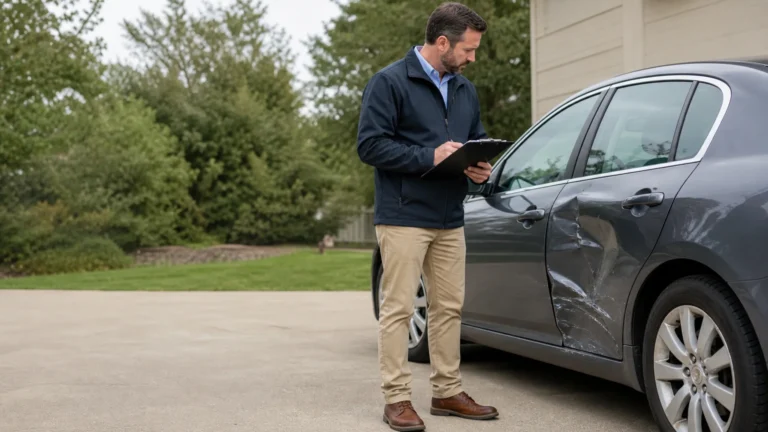
Kentucky drivers may pursue a repaired vehicle’s leftover market loss from the at-fault driver as part of a.
FMCSA Revoked ELDs: Fleet Compliance and Enforcement Deadlines
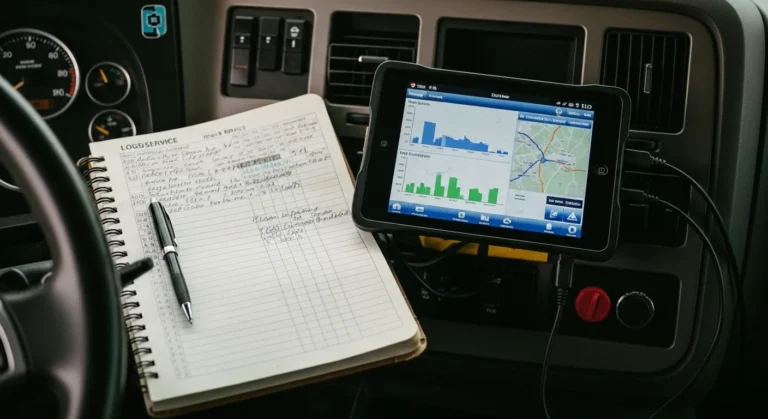
FMCSA removed five electronic logging devices from the registered list on August 6, 2026, and set an October.

FMCSA English Proficiency Rule and OOS Enforcement
FMCSA English Proficiency Rule Sam Aguiar Injury Lawyers August 11, 2026 7 minute read On This Page.