
FMCSA Regulatory Agenda for 2026 Truck Safety Rules
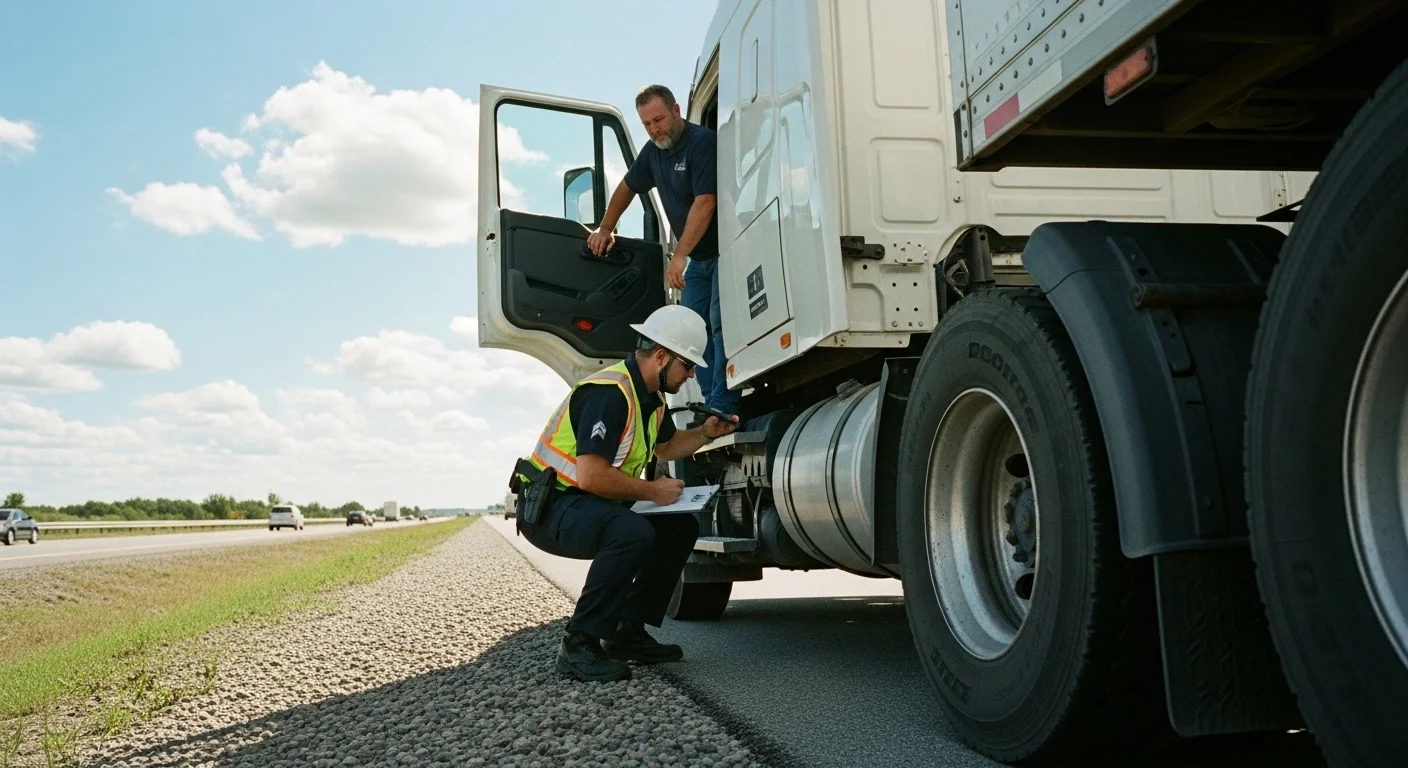
Federal regulators published a wide slate of truck safety proposals in July 2026 covering automatic braking, logging devices, driver training, and carrier oversight. A July 14, 2026, trade press roundup of the Department of Transportation and Federal Motor Carrier Safety Administration rulemaking pipeline lays out one of the widest slates of trucking safety proposals in recent memory, according to FleetOwner’s review of the agenda.
Rulemaking Items on the 2026 Agenda
Seven rulemaking items appear on the agenda. They span automatic emergency braking testing, electronic logging device technical specifications, driver training provider certification, carrier safety fitness determinations, Drug and Alcohol Clearinghouse reporting, commercial driver’s license security standards, and roadside inspection form submission, according to the same FleetOwner agenda review.
Two days later, on July 16, 2026, the agency added a narrower but still consequential item to the docket. FMCSA published a Federal Register notice announcing plans to renew its approved information collection covering inspection, repair, and maintenance records that carriers must keep to reduce the likelihood of commercial motor vehicle crashes. Together, these actions describe an agency working simultaneously on forward-looking vehicle technology standards and the paperwork infrastructure that keeps trucks on the road roadworthy day to day.
| Agenda Item | Stage | What It Would Change |
|---|---|---|
| Agenda ItemAutomatic Emergency Braking | StageSupplemental proposal | What It Would ChangeTest procedures for truck manufacturers’ braking systems |
| Agenda ItemElectronic Logging Devices | StageProposed rule | What It Would ChangeStreamlined regulatory text and device specifications |
| Agenda ItemEntry-Level Driver Training | StagePlanned rulemaking | What It Would ChangeOngoing compliance for training providers to remain listed |
| Agenda ItemSafety Fitness Determination | StageProposed rule | What It Would ChangeHow FMCSA decides a carrier is not fit to operate |
| Agenda ItemDrug and Alcohol Clearinghouse | StageProposed rule | What It Would ChangeGreater availability of driver information |
| Agenda ItemCDL Security Standards | StageProposed rule | What It Would ChangeRecord retention and document verification for state-issued licenses |
| Agenda ItemRoadside Inspection Reports | StageFinal rule | What It Would ChangeReports submitted to states only on request |
Source: FleetOwner, Trucking Regulations 2026: Inside the DOT and FMCSA Agenda
Automatic Emergency Braking Test Procedures
The most consequential item on the list is a planned supplemental notice of proposed rulemaking covering automatic emergency braking test procedures for heavy trucks. According to FleetOwner’s reporting on the agenda, FMCSA and the National Highway Traffic Safety Administration are planning a supplemental notice of proposed rulemaking to comply with the 2022 Infrastructure Investment and Jobs Act, proposing test procedures for truck manufacturers’ automatic emergency braking systems, after an initial notice of proposed rulemaking was published in 2023 under the prior administration.
Test methodology decides which braking systems reach the road. A test standard that is too lenient allows underperforming systems to pass; a rigorous one forces manufacturers to prove real-world reliability across speeds, following distances, and target types. The pace of this rulemaking directly affects when automatic braking becomes a dependable baseline safety feature across the commercial fleet, a real stake for any family affected by a rear-end truck crash.
Electronic Logging Device Specifications and ELDT Certification
Alongside the braking rulemaking, the agency’s agenda includes a planned notice of proposed rulemaking that would update electronic logging device specifications, an item first raised in a 2022 advance notice that has seen little movement since, according to the same FleetOwner agenda roundup. The pending rulemaking would streamline and clarify the existing regulatory text and device specifications, a change that carries direct weight in any truck crash case where hours-of-service data becomes evidence.
The agenda also includes a planned rulemaking on entry-level driver training provider certification, the ELDT program that governs who is authorized to train new commercial driver’s license applicants. The rulemaking could require training providers to maintain ongoing compliance to remain listed, replacing the current system of simple self-certification, according to the same FleetOwner report. A stricter certification standard for training providers would apply scrutiny earlier, before a driver trained under a weak program receives a CDL and gets behind the wheel of a commercial vehicle.
Carrier Safety Fitness Determinations and the Clearinghouse
The agenda also lists a planned notice of proposed rulemaking revising how FMCSA calculates a carrier’s safety fitness determination, the formal rating that classifies a motor carrier as satisfactory, conditional, or unfit to operate. According to FleetOwner, the notice of proposed rulemaking points toward potential updates to how FMCSA determines when a motor carrier is not fit to operate, and the agency first asked for public feedback on its safety fitness determination process in 2023. That determination sits alongside the safety measurement data already searchable through the FMCSA Data Dissemination Program, which publishes each carrier’s crash, inspection, and violation history for public review.
A separate item on the agenda would add more information to the Drug and Alcohol Clearinghouse, the database that tracks positive drug and alcohol test results and refusals for commercial drivers nationwide. According to the FleetOwner agenda report, this pending notice of proposed rulemaking would propose increasing the availability of driver information from the Clearinghouse, among other unnamed process changes. Earlier coverage of how to read a carrier’s FMCSA Safety Measurement System report explains how these public safety records already factor into a truck crash investigation.
CDL Security Standards and Driver Examination Reports
The agenda further lists a planned notice of proposed rulemaking on commercial driver’s license security standards. FMCSA is working to publish the notice to strengthen the security standards of state-issued commercial driver’s licenses, including changes to record retention and document verification, according to the same FleetOwner report. The Department of Transportation’s Office of Inspector General maintains an active portfolio of oversight work related to CDL integrity, including an audit examining FMCSA’s oversight of state CDL knowledge and skills testing programs.
The agenda also includes a rulemaking already in the final rule stage covering how carriers submit roadside inspection reports. That rule would remove the requirement that motor carriers always submit completed Driver Vehicle Examination Reports to their issuing states, and carriers would instead need to submit the form only if the state agency requests it, according to the same FleetOwner roundup. A carrier’s inspection history, along with its recorded crash and violation data, remains searchable through the FMCSA Data Dissemination Program. For a closer look at how broker arrangements can complicate a truck crash investigation, see prior coverage of freight broker liability after a truck crash.
Inspection, Repair, and Maintenance Recordkeeping Renewal
On July 16, 2026, FMCSA published a notice in the Federal Register announcing its plan to submit a renewal request to the Office of Management and Budget for an existing information collection titled Inspection, Repair and Maintenance. The Federal Register notice states the collection exists so that motor carriers document inspection, repair, and maintenance programs the agency has determined are necessary to reduce the likelihood of commercial motor vehicle crashes.
This renewal is a Paperwork Reduction Act formality, but the underlying information collection carries real weight for carriers. The notice confirms the collection exists specifically because the inspection, repair, and maintenance records it governs are the records FMCSA has determined are necessary to reduce the likelihood of commercial motor vehicle crashes. An earlier review of DOT fines for hours-of-service violations covers a related category of carrier recordkeeping that surfaces in truck crash investigations.
Aurora’s Warning Device Waiver
On July 10, 2026, FMCSA activated a waiver of its standard warning device requirements for Aurora Operations Inc., according to the agency’s published waiver notice. The waiver’s terms and conditions, dated July 9, 2026, set out how Aurora may satisfy that requirement through alternative means suited to a driverless truck, since no human driver is present to walk back and place physical warning devices on the shoulder.
The waiver is narrow and company-specific, but it signals how federal regulators are beginning to adapt decades-old physical safety requirements to trucks that operate without anyone in the cab. A warning device requirement written for a human driver assumes that driver can safely exit the vehicle and place a triangle behind it after a breakdown or crash. Autonomous operations do not have that option, so the agency authorized a substitute approach and left the company’s roadside safety obligations in place. As driverless trucking expands on public highways, waivers like this one are likely to keep surfacing as the regulatory framework catches up with the technology already operating on the road.
Non-Domiciled CDL Rule and Dalilah’s Law
Congress is weighing a bill over non-domiciled commercial driver’s licenses, the credentials issued to drivers who are not permanent residents of the state that issued their license. According to Overdrive’s reporting, the Owner-Operator Independent Drivers Association pressed House Speaker Mike Johnson to bring a bill known as Dalilah’s Law, formally the Non-Domiciled CDL Integrity Act, to a floor vote. The bill would codify FMCSA’s existing non-domiciled CDL final rule into statute, and it already cleared the House Transportation and Infrastructure Committee on a 35 to 26 vote in March, according to the same Overdrive report.
The rulemaking underlying that bill has had a turbulent path through the courts. Litigation paused FMCSA’s non-domiciled CDL rule in November 2025 and again in February 2026, the agency issued a revised rule in February, a court ruled in the agency’s favor in May, and oral arguments in the underlying case are scheduled to resume in September, according to Overdrive. CDL security standards, the item listed separately on FMCSA’s regulatory agenda, and the non-domiciled licensing dispute both point to the same underlying problem: verifying that the person holding a commercial license is who the record says they are, and that the license itself was issued through a legitimate process.
Roadside Enforcement and Carrier Vetting
Federal agents have begun joining state truck safety and weight inspections at weigh stations nationwide, according to USA Today’s reporting, and states have revoked more than 28,000 commercial driver’s licenses issued to people who lacked legal work or residency status. The Department of Transportation has justified the expanded effort by pointing to fatal crashes involving improperly licensed drivers, according to the same USA Today report.
Carrier oversight is also under its own separate scrutiny. The Department of Transportation Office of Inspector General currently lists an active audit of FMCSA’s oversight of state commercial driver’s license knowledge and skills testing programs, alongside prior findings that FMCSA’s procedures for overseeing Infrastructure Investment and Jobs Act funded Motor Carrier Safety Assistance Program grants were insufficient, according to the Office of Inspector General’s audit reports index. Roadside inspection data, CDL testing oversight, and the safety fitness determination rulemaking described above all feed into the same public record that plaintiffs’ counsel reviews when a commercial truck crash leads to litigation.
Truck Crash Cases and the Regulatory Agenda
Every item on this list, from automatic braking test procedures to inspection recordkeeping renewals, eventually intersects with truck crash litigation. When a rule tightens what a compliant electronic logging device must do, or what a carrier must document about vehicle maintenance, it also raises the evidentiary bar a carrier has to clear after a crash. A rulemaking that closes a gap in the Drug and Alcohol Clearinghouse or tightens CDL security standards addresses the same driver-qualification failures that show up again and again in trucking injury cases.
These regulatory developments describe the federal standards a carrier and driver were required to meet at the time of a crash. Public tools like the FMCSA Data Dissemination Program already let anyone check a carrier’s crash, inspection, and violation history against those standards.
Ready to Take Action on Your Injury Claim?
After a serious injury, medical bills pile up while the insurance company looks for ways to pay you less. Most law firms take their cut first and leave you with whatever is left. Sam Aguiar Injury Lawyers does things differently. With our exclusive Bigger Share Guarantee®, you always get more. Every client gets a dedicated three-person team: an attorney, a case manager, and a legal assistant. We never raise our fee rate if we have to go to court, and you pay $0 Out-Of-Pocket Forever.
Frequently Asked Questions
1What is the FMCSA regulatory agenda for 2026?+
2Why is automatic emergency braking testing part of the agenda?+
3What did the July 16, 2026, Federal Register notice cover?+
4What is the Aurora warning device waiver?+
5How does the Drug and Alcohol Clearinghouse relate to this agenda?+
6Where can I check a carrier’s federal safety record?+
7What is a carrier safety fitness determination?+
8Does the DOT Office of Inspector General oversee FMCSA programs?+
Latest Articles
Kentucky Diminished Value Claims
Kentucky drivers may pursue a repaired vehicle’s leftover market loss from the at-fault driver as part of a.
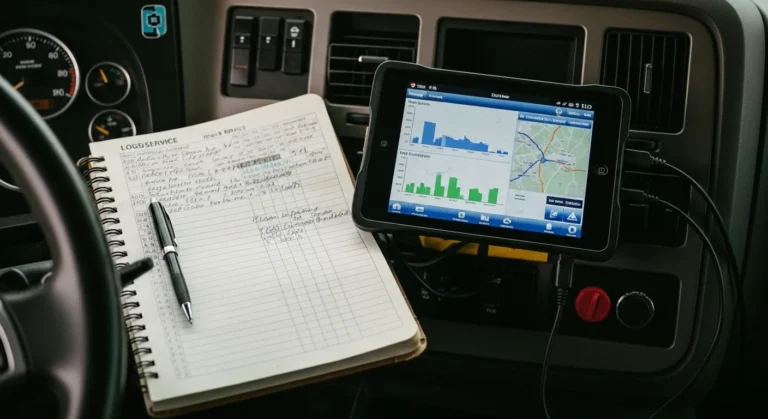
FMCSA Revoked ELDs: Fleet Compliance and Enforcement Deadlines
FMCSA removed five electronic logging devices from the registered list on August 6, 2026, and set an October.
FMCSA English Proficiency Rule and OOS Enforcement
FMCSA English Proficiency Rule Sam Aguiar Injury Lawyers August 11, 2026 7 minute read On This Page.