
Negotiating a Personal Injury Claim
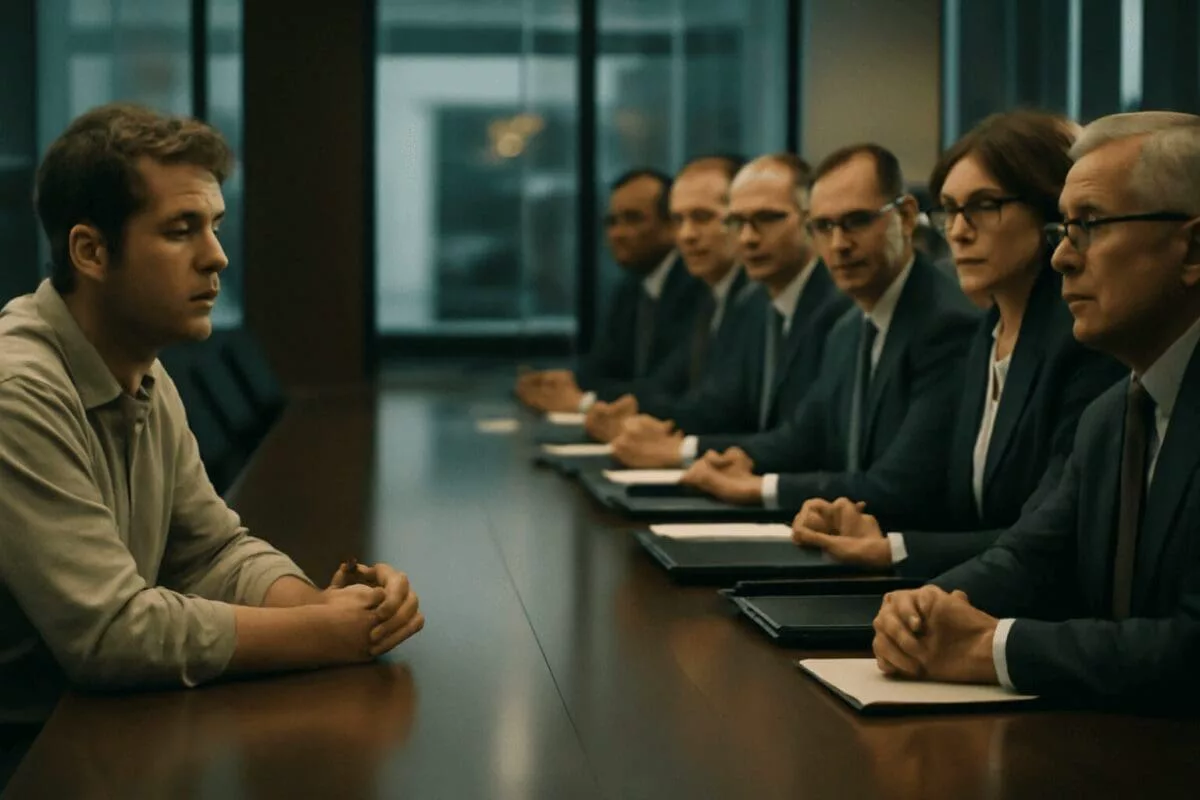
Personal injury settlement negotiations follow a structured back-and-forth that starts with a written demand package and moves through offers, disputes, and revised demands until the numbers meet or the case heads toward litigation. The strength of the demand, the evidence behind it, and a credible willingness to file suit shape each round. Kentucky law also sets rules for how insurers must handle the claim along the way.
Demand Package and Opening Position
Settlement negotiations begin when an attorney submits a demand package to the insurance company. The formal written demand sets the tone, establishes the injured person’s position, and creates a paper trail, and a poorly prepared demand letter produces a weaker opening offer.
Demand Letter Contents
A demand letter summarizes the case and states the amount requested. A complete demand package includes:
- A detailed account of how the crash happened and the at-fault party’s responsibility.
- Medical records and bills covering all treatment through the demand date.
- Records of lost wages, including pay stubs and employer verification.
- Documentation of non-economic losses, such as photos of injuries and a pain journal.
- Supporting reports, such as an accident reconstruction or an economic analysis of future lost earnings, when the case needs them.
- A specific demand figure and a response deadline.
The demand figure is set above the expected result on purpose. That leaves room to negotiate down while still landing above the real minimum, and a demand set too low anchors the insurer to a lower number from the start.
Insurance Reserves and the First Offer
Before a demand letter arrives, the adjuster has already set an internal reserve, the amount the company expects to pay on the claim. That number comes from internal software systems and databases rather than a read of the actual medical records, which is part of why an early low offer often misses the value of documented injuries. The firm’s page on insurance claim reserves explains how those figures are set.
Insurer Responses to a Demand
After a demand is submitted, the insurer answers with a written counteroffer, a partial dispute, or a letter disputing liability or questioning medical treatment.
Low First Offers
The first offer is rarely the insurer’s real number. Adjusters are authorized to pay more than their opening figure, and they start low because many claimants accept the first offer out of frustration or misunderstanding. The tactics adjusters use to minimize Kentucky car accident claims start with that opening offer.
Partial Dispute Offers
An insurer sometimes accepts some elements of the demand and disputes others, agreeing on medical bills, for example, while disputing lost wages or rejecting pain and suffering entirely. That response calls for a specific, documented reply to each disputed point.
Full Denials
A full denial, claiming the insured was not at fault or that the injuries are unrelated to the crash, is sometimes a negotiating position and sometimes a genuine decision. Either way, a denial often starts a longer negotiation instead of ending the claim.
Negotiating Leverage in an Injury Claim
Evidence the insurer cannot easily dispute forces it to take a claim seriously:
- Clear liability supported by crash reports, camera footage, eyewitness accounts, and citations.
- Severe, well-documented injuries such as fractures, surgeries, and permanent impairment ratings, which carry more weight than soft-tissue injuries with subjective complaints alone.
- Economic damages backed by records, such as wage loss verified by the employer and future medical costs supported by a treating physician’s opinion.
An insurer that sees a credible willingness to file suit and try the case negotiates differently than one that expects the claimant to accept whatever is offered.
Offers To Reject
An offer made before the injured person reaches maximum medical improvement is priced to close the case early, because the full scope of the losses cannot be known until the full scope of the injury is known. An offer should also be rejected when it does not cover documented losses, ignores future medical needs or permanent injury, or comes with pressure to sign a release quickly. A signed release is generally a full and final release of all claims arising from the incident, including claims not yet known.
Multi-Round Negotiation Sequence
- The attorney submits the demand package with documentation, a demand figure, and a response window, setting the anchor and the evidence base.
- The insurer responds with a counteroffer or dispute, and each disputed item calls for a specific documentary response.
- The attorney answers with a revised demand that addresses each dispute point by point, sometimes adding medical records or a treating physician’s letter on permanency.
- The numbers converge over later rounds, or they do not. When the insurer’s ceiling and the claimant’s floor meet in a range that covers the losses, the case settles, and when they do not, litigation follows.
- A final demand before filing suit often speeds movement, because litigation is expensive and unpredictable for the insurer.
Kentucky Claim Handling Rules
Kentucky law bars insurers from stalling or lowballing claims where liability is clear. Under KRS 304.12-230, it is an unfair claims settlement practice for an insurer to refuse to pay claims without a reasonable investigation, to fail to attempt in good faith a prompt settlement when liability has become reasonably clear, or to fail to explain the basis for a denial or a compromise offer. The Kentucky Department of Insurance regulation 806 KAR 12:095 requires an insurer to offer any payment due within 30 calendar days of receiving proof of loss. Conduct that breaks those rules can support a separate insurance bad faith claim.
Ready to Take Action on Your Injury Claim?
After a serious injury, medical bills pile up while the insurance company looks for ways to pay you less. Most law firms take their cut first and leave you with whatever is left. Sam Aguiar Injury Lawyers does things differently. With our exclusive Bigger Share Guarantee®, you always get more. Every client gets a dedicated three-person team: an attorney, a case manager, and a legal assistant. We never raise our fee rate if we have to go to court, and you pay $0 Out-Of-Pocket Forever.
Frequently Asked Questions
1How can I tell if a settlement offer is too low?+
2Can I negotiate directly with the insurance company without an attorney?+
3What happens if the insurance company won’t negotiate in good faith?+
4Does accepting a settlement end every other claim from the crash?+
5Why does the first settlement offer come in low?+
6What makes an insurer take a demand seriously?+
Latest Articles

Kentucky Diminished Value Claims
Kentucky drivers may pursue a repaired vehicle’s leftover market loss from the at-fault driver as part of a.
FMCSA Revoked ELDs: Fleet Compliance and Enforcement Deadlines
FMCSA removed five electronic logging devices from the registered list on August 6, 2026, and set an October.

FMCSA English Proficiency Rule and OOS Enforcement
FMCSA English Proficiency Rule Sam Aguiar Injury Lawyers August 11, 2026 7 minute read On This Page.