

Car and Truck Injury Lawyers
Injured in a Car or Truck Accident?
Key Takeaways
- Insurance companies pay only for injuries documented in medical records, and every gap in treatment becomes an argument to reduce the settlement.
- Concussions, herniated discs, and internal bleeding can take days or weeks to surface, so a normal first exam does not rule out a serious injury.
- Section 54 of the Kentucky Constitution bars limits on injury recoveries, and a fracture to a bone meets the no-fault tort threshold in KRS 304.39-060(2)(b) regardless of medical expenses.
Injury Documentation and Case Value
Insurance companies do not pay for injuries they can’t see documented in medical records, so the documentation built after a crash sets the value of the claim. An adjuster reviewing the file looks for gaps: days between the crash and the first medical visit, missed follow-up appointments, and inconsistencies between reported symptoms and treatment notes. Every gap is an argument to reduce the settlement.
Our team builds a complete injury documentation file: ER records, imaging (X-ray, MRI, CT), specialist evaluations, physical therapy records, prescription history, and any functional capacity assessments. For catastrophic injuries, we bring in life care planners and medical professionals to project future care costs. Injuries like spinal cord damage or TBI involve decades of treatment, so the claim has to account for future care as well as the bills accumulated so far.
Read more about car accident injuries and the documentation process and the most common truck accident injuries.
Major Injury Types in Car and Truck Accident Cases
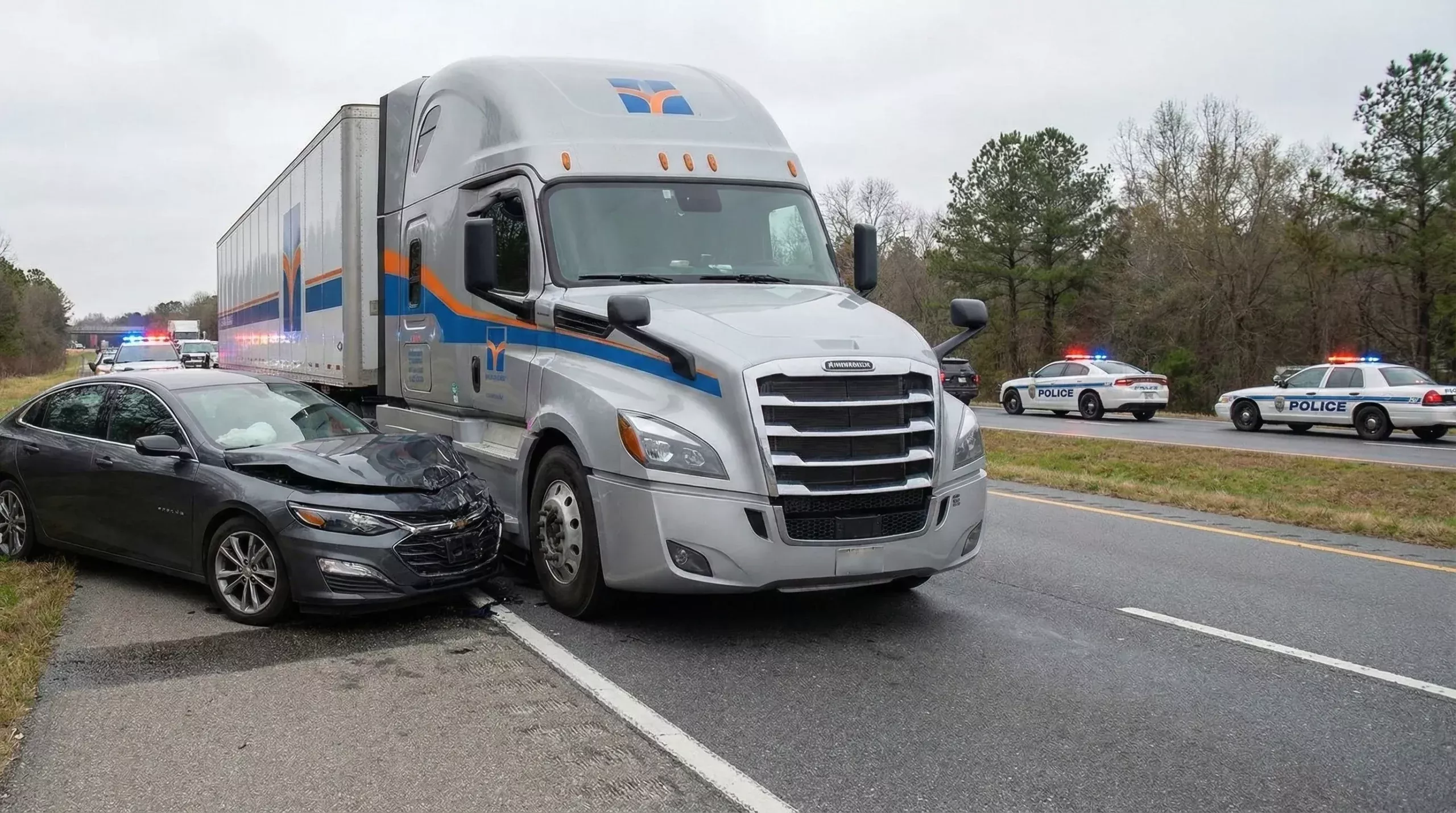
Crash injuries range from soft-tissue damage to permanent brain and spinal cord injury. Truck crashes fall hardest on the other vehicle: according to NHTSA, 70% of the 5,472 people killed in large-truck crashes in 2023 were occupants of other vehicles.
- 1
Traumatic Brain Injury (TBI)
TBI ranges from mild concussion to severe brain damage with permanent cognitive impairment. According to the CDC, motor vehicle crashes caused 23.8% of the 223,050 nonfatal TBI-related hospitalizations in the U.S. in 2018, second only to falls. Memory loss, personality changes, difficulty concentrating, and chronic headaches may not appear for days or weeks after the crash. Many people are discharged from the ER without a TBI diagnosis and later develop serious long-term impairment. Even a “mild” TBI can permanently disrupt the ability to work, maintain relationships, and manage daily activities.
- 2
Spinal Cord Injuries
Spinal cord injuries (SCI) are among the most catastrophic outcomes of vehicle crashes. Depending on the level of injury, SCI can cause partial or complete paralysis (paraplegia or quadriplegia), chronic pain, loss of bladder and bowel control, and significant respiratory complications. The National Spinal Cord Injury Statistical Center estimates lifetime costs of $6,419,617 for high tetraplegia (C1 to C4) in a person injured at age 25. Life care planners, vocational rehabilitation professionals, and economists document the full scope of these losses, which insurance companies would prefer to minimize.
- 3
Bone Fractures
Fractures are among the most common serious car accident injuries. Femur fractures, pelvic fractures, rib fractures, and wrist fractures from bracing all carry significant recovery time and future complication risks. Under Kentucky’s no-fault law, KRS 304.39-060(2)(b) allows a tort claim for pain and suffering when medical expenses exceed $1,000 or the injury includes a fracture to a bone, permanent disfigurement, or permanent injury, so a fracture meets the threshold regardless of medical expenses.
- 4
Soft-Tissue Injuries
Whiplash and cervical spine sprains are common car accident injuries, particularly in rear-end crashes. These injuries can cause chronic neck and back pain, restricted range of motion, and persistent headaches that interfere with work and daily life for months or years. Insurance companies routinely try to minimize soft-tissue claims because the injuries don’t show on X-rays, and MRI imaging, physical therapy records, and consistent medical follow-up are the evidence that forces accurate valuation.
- 5
Internal Injuries
Liver lacerations, spleen damage, kidney injuries, and internal bleeding are life-threatening emergencies that may not be apparent at the scene. Blunt-force trauma from a steering wheel, seatbelt, or dashboard can rupture organs with no visible external injury. Delayed diagnosis is common, so immediate medical evaluation after any serious crash is critical, regardless of how you feel at the scene.
- 6
Burn Injuries
Vehicle fires, fuel leaks, and chemical releases from commercial trucks can cause severe burns that require surgery, skin grafts, and months of intensive medical care. Burn injuries can follow commercial vehicle crashes, where a truck’s fuel load adds fire risk. Long-term treatment costs for serious burns are substantial, and the psychological trauma of disfigurement, including PTSD, depression, and anxiety, belongs in the damages claim.
- 7
Psychological Injuries and PTSD
The psychological harm of a serious crash can be as disabling as a physical injury. Post-traumatic stress disorder (PTSD), anxiety, depression, and driving phobia can follow a serious vehicle crash, and the National Institute of Mental Health lists a serious accident among the traumatic events that can lead to PTSD. Our team documents these injuries and includes them in the damages claim alongside the physical injuries.
Injuries That Don’t Show Up Right Away
Crash injury symptoms often emerge days after the crash. Adrenaline suppresses pain perception immediately after impact. Swelling around a herniated disc can take time to press on a nerve root, and concussion symptoms such as cognitive fog, light sensitivity, and sleep disruption can build over the days after the injury.
Insurance companies exploit this delay aggressively. If you waited three days to see a doctor, the adjuster will argue the injury wasn’t serious, or wasn’t caused by the crash at all. Our team works with medical professionals who understand crash injury biomechanics and can document the connection between your symptoms and the crash, even when there was a gap in initial treatment.
Damages in a Kentucky Injury Claim
Section 54 of the Kentucky Constitution bars the General Assembly from limiting the amount recovered for injuries to a person, so the value of a claim depends on what the evidence documents:
- Medical expenses: ER, hospitalization, surgery, specialist visits, physical therapy, medications, and future care
- Lost wages and earning capacity: income lost during recovery and reduced future earning potential from permanent impairment
- Pain and suffering: physical pain, emotional distress, PTSD, loss of enjoyment of life, and relationship disruption
- Long-term and permanent damages: ongoing care costs, home modifications, permanent disability, and life care plans
- Property damage: vehicle repair or replacement
For catastrophic injuries, a documented future care plan is what puts future medical costs into the settlement value.
Treatment Gaps That Hurt Your Case
A gap in treatment, even a week or two between appointments, lets an adjuster argue that the injuries aren’t as serious as claimed or that you’ve recovered. Insurance adjusters track medical history closely. To protect the value of your case:
- Get medical attention immediately after any crash, even if symptoms seem mild.
- Attend every recommended follow-up appointment.
- Don’t sign a medical release or give a recorded statement to the opposing insurer before speaking with our team.
- Keep a daily log of symptoms, limitations, and how the injury affects your work and personal life, which becomes part of your pain and suffering documentation.
How Sam Aguiar Injury Lawyers Handles Injury Documentation
Dedicated three-person team: a top-rated attorney, an experienced case manager, and a skilled legal assistant. That team manages the entire medical documentation process on your behalf, from requesting records to coordinating with your treating providers, so you can focus on recovery while we handle the documentation that determines what your case is worth.
Bigger Share Guarantee®: Clients always walk away with more money than the firm after medical bills, liens, and case expenses are paid. If the client’s share would ever be less than the legal fee, the firm cuts its fee.
- Flat contingency fee that never increases if your case goes to trial.
- $0 Out-Of-Pocket Forever.
Every week without treatment records gives an adjuster another argument. Keep your appointments and your symptom log, and call Sam Aguiar Injury Lawyers at 502-888-8888 for a free case review of your crash injuries. Most cases qualify in under 10 minutes.
Why Clients Choose Sam Aguiar
Ready to Take Action on Your Case?
After a serious injury, medical bills pile up while the insurance company looks for ways to pay you less. Most law firms take their cut first and leave you with whatever is left. Sam Aguiar Injury Lawyers does things differently. With our exclusive Bigger Share Guarantee®, you always get more. Every client gets a dedicated three-person team: an attorney, a case manager, and a legal assistant. We never raise our fee rate if we have to go to court, and you pay $0 Out-Of-Pocket Forever.
Frequently Asked Questions
1Why do some car accident injuries not show symptoms right away?+
Adrenaline suppresses pain right after impact, swelling around a herniated disc can take time to press on a nerve root, and concussion symptoms can build over the following days.
2What types of injuries are most common in car and truck accidents?+
Common injuries include traumatic brain injury, spinal cord injury, bone fractures, soft-tissue injuries such as whiplash, internal injuries, burns from vehicle fires or fuel leaks, and psychological injuries such as PTSD.
3Does Kentucky cap damages in a personal injury case?+
No. Section 54 of the Kentucky Constitution bars the General Assembly from limiting the amount recovered for injuries to a person, so the value of a claim depends on the documented medical expenses, lost wages, and other losses tied to the injury.
4Does a broken bone qualify for a pain and suffering claim in Kentucky?+
Yes. KRS 304.39-060(2)(b) allows a pain and suffering claim after a motor vehicle crash when the injury includes a fracture to a bone, regardless of whether medical expenses exceed $1,000.
5Can psychological injuries like PTSD be part of a car accident claim?+
Yes. PTSD, anxiety, depression, and driving phobia after a serious crash are part of the damages claim when they are documented through treatment records alongside the physical injuries.
6Why does a gap in medical treatment hurt an injury claim?+
Insurance adjusters track medical treatment closely, and a gap of even a week or two lets them argue the injury was not serious, has healed, or was caused by something other than the crash.