
No-Fault vs. Full Tort Coverage: Which Should You Choose in Kentucky?

Kentucky is one of only a handful of states that runs a “choice no-fault” system. Under the Motor Vehicle Reparations Act (KRS Chapter 304.39), drivers are automatically enrolled in no-fault coverage with Personal Injury Protection (PIP) benefits, but they also have the right to opt out entirely and preserve full tort rights. PIP pays your first bills without deciding fault, but it limits when you can sue. That choice, and what happens after an accident under each path, is what this page covers.
What “No-Fault” Actually Means in Kentucky
In a no-fault state, your own insurance company pays your medical bills and a portion of lost wages after a crash, regardless of who caused it. You don’t have to wait for fault to be determined, and you don’t have to prove the other driver was negligent to start receiving benefits.
Kentucky’s version is a “choice” system because it lets drivers decide whether to stay in the no-fault framework or step outside of it. Most drivers are automatically enrolled in no-fault unless they take active steps to reject it. You can leave the system after a crash by meeting the tort threshold, or ahead of time by rejecting no-fault. Either choice changes what you can recover and how the policies stack.
The Two Paths in Kentucky
- No-fault (PIP) coverage: your own policy pays up to $10,000 in Personal Injury Protection benefits for medical expenses and lost wages. You accept a tort threshold, meaning you can only sue the at-fault driver for pain and suffering once your injuries meet a specific legal standard.
- Tort election (rejected no-fault): you file a written rejection with the Kentucky Department of Insurance before a crash occurs. By doing so, you preserve full tort rights from dollar one, with no threshold needed. However, you give up your right to PIP benefits from your own policy unless you purchased them back separately.
The Tort Threshold for Stepping Outside No-Fault
For drivers who stayed in the no-fault system, KRS 304.39-060 sets the rules for when you can bypass the no-fault limits and pursue a full liability case against the at-fault driver. Under KRS 304.39-060(2)(b), you can step outside no-fault when your injuries meet any of these criteria:
- Medical expenses exceed $1,000
- A bone fracture (any bone)
- Permanent injury or permanent disfigurement
- Death
Clearing the threshold is a floor, not a ceiling. Once your injuries qualify, you can pursue the full range of damages against the at-fault driver, including pain and suffering, future medical costs, lost earning capacity, and more. Most crash victims with significant injuries clear the threshold within the first week of treatment.
Medical Bills: Payment Priority List
After a Kentucky crash, your bills move through these policies in a set sequence, from who pays first to who pays last:
- PIP basic reparation benefits: from your own policy, up to $10,000. Pays first, regardless of fault.
- Added reparation benefits (ARB): optional coverage purchased above the $10,000 basic limit. Extends the same categories, including medical, wage loss, replacement services, and survivor loss, with higher limits.
- Med-Pay: from your own policy. Covers medical costs beyond PIP, paid as bills come in.
- Your health insurance: covers remaining medical bills once PIP and Med-Pay are exhausted. Creates subrogation rights that must be addressed at settlement under KRS 411.188.
- The at-fault driver’s liability policy: pays your full damages, economic and, if the threshold is met, non-economic. This is the tort case.
- Your UM and UIM policy: covers the gap if the at-fault driver is uninsured or their limits are too low. UIM claims require the Coots notice procedure before settling with the at-fault insurer.
Sources: Kentucky Motor Vehicle Reparations Act; KRS 411.188; Coots v. Allstate Ins. Co. (Ky. 1993).
What No-Fault Pays, and What It Doesn’t
What Kentucky PIP Covers
Kentucky’s PIP benefit, called basic reparation benefits under the Motor Vehicle Reparations Act, covers:
- Medical expenses: necessary treatment costs up to the $10,000 limit
- Lost wages: the lesser of $200 per week or 85% of your weekly income
- Replacement services: up to $25 per day for household tasks you can’t perform
- Survivor and funeral benefits in fatal crash cases
For a full breakdown of how these benefits work, visit our dedicated PIP coverage page.
What No-Fault Does Not Cover
- Pain and suffering, until the tort threshold is met
- Property damage to your vehicle
- Future medical costs beyond $10,000, unless you purchased added reparation benefits
- Lost earning capacity beyond immediate wage loss
- Emotional distress or reduced quality of life
Rejecting No-Fault: The Kentucky Tort Election
Any named insured can reject Kentucky’s no-fault system by filing a written rejection with the Kentucky Department of Insurance under KRS 304.39-060. The rejection applies to all persons insured under the policy and remains valid on renewal unless revoked.
Why Some Drivers Reject No-Fault
Drivers who reject no-fault preserve unrestricted tort rights. They can sue the at-fault driver for any injury without meeting a monetary or severity threshold. That can be an advantage when injuries are real but might fall short of the $1,000 threshold in a minor crash. The trade-off is significant, though: no PIP coverage means no immediate $10,000 first-party benefit. If the at-fault driver is uninsured, you have nothing to fall back on from your own policy.
Minimum Insurance After Rejection
Drivers who reject no-fault must still carry minimum liability coverage under Kentucky’s minimum insurance requirements:
- $25,000 per person and $50,000 per accident for bodily injury liability
- $25,000 for property damage liability per accident
- Uninsured motorist coverage equal to minimum liability limits
The real-world choice: most Kentucky drivers should keep no-fault coverage. The $10,000 PIP benefit provides immediate, guaranteed coverage for medical bills regardless of fault. In serious crashes, you will clear the tort threshold anyway and pursue the at-fault driver’s insurer for the rest. Rejecting no-fault saves a modest premium but creates significant risk if you are ever in a crash with an uninsured driver.
How No-Fault Interacts With Other Coverage
Your Health Insurance
PIP typically pays before your health insurance. Once PIP is exhausted, your health coverage may pick up remaining medical costs. Coordination rules between PIP and health insurance can be complex, particularly with Medicare or Medicaid, and your insurer should tell you which coverage pays first in your specific situation.
Uninsured and Underinsured Motorist Coverage
Kentucky requires insurers to offer uninsured motorist (UM) coverage. If you are hit by an uninsured driver, and Kentucky has one of the highest uninsured driver rates in the country at approximately 13.9 to 18.7%, your UM coverage steps in. See our page on uninsured motorist claims in Kentucky for a full breakdown of how this coverage works after a crash.
When the At-Fault Driver Has Minimal Coverage
Kentucky’s minimum liability limits are $25,000 per person. In a serious crash with six-figure medical bills, that coverage is inadequate. Underinsured motorist (UIM) coverage, available under KRS 304.39-320, pays the gap between the at-fault driver’s limits and your actual damages. This coverage must be affirmatively purchased, but it is one of the most valuable protections available in Kentucky.
Subrogation: Your Insurer’s Right to Be Repaid
If your PIP insurer pays your medical bills and you later recover money from the at-fault driver, your insurer may seek repayment for what it paid. This is called subrogation. Understanding how subrogation works in Kentucky accidents matters because it directly affects how much of your settlement you actually take home. In some circumstances, the PIP lien can be reduced or waived, increasing your net recovery.
Kentucky’s No-Fault System and Insurance Rates
A common concern is whether a PIP claim will raise your rates. Under KRS 304.20-041 and related regulations, Kentucky law restricts insurers from raising your premiums solely because you filed a claim for a crash that wasn’t your fault. Learn more about whether your rates can go up after a not-at-fault accident in Kentucky.
PIP and Tort Claims Start With a Free Case Review
Which policy pays first, whether you have cleared the tort threshold, and what your insurer will claim back through subrogation all shape what you take home. Sam Aguiar Injury Lawyers sorts out every layer of coverage early, and a dedicated three-person case team keeps the file moving from there. If you were hurt in a Kentucky crash, a free case review is where that work begins.
Frequently Asked Questions
1Is Kentucky a no-fault state?+
2Do I need to prove fault to get PIP benefits?+
3When can I sue the at-fault driver in Kentucky?+
4What are Kentucky’s minimum insurance requirements?+
5How long do I have to file a no-fault lawsuit in Kentucky?+
Latest Articles
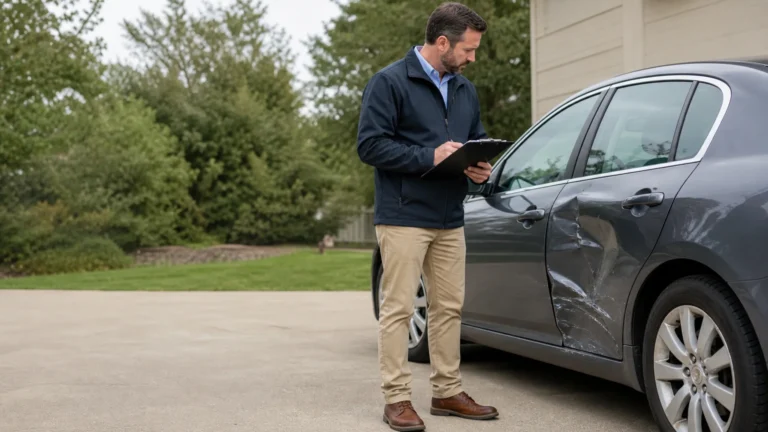
Kentucky Diminished Value Claims
Kentucky drivers may pursue a repaired vehicle’s leftover market loss from the at-fault driver as part of a.
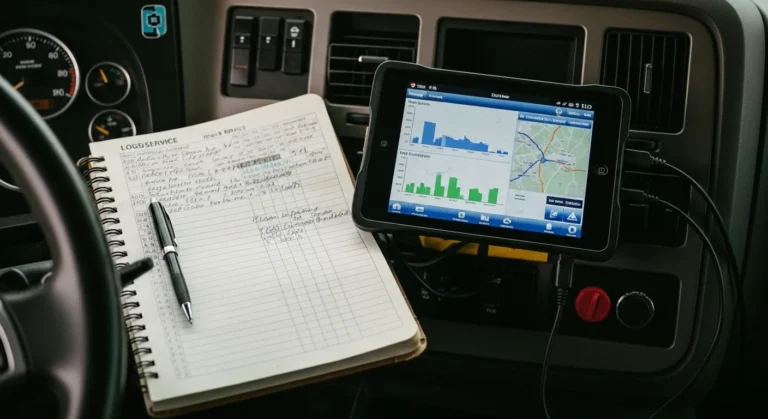
FMCSA Revoked ELDs: Fleet Compliance and Enforcement Deadlines
FMCSA removed five electronic logging devices from the registered list on August 6, 2026, and set an October.

FMCSA English Proficiency Rule and OOS Enforcement
FMCSA English Proficiency Rule Sam Aguiar Injury Lawyers August 11, 2026 7 minute read On This Page.