

Truck Pre-Trip Inspection
8-Phase Truck Pre-Trip Inspection
 ★★★★★
Over 1,000 Five-Star Reviews
•
Available 24/7. $0 Out-Of-Pocket Forever.
★★★★★
Over 1,000 Five-Star Reviews
•
Available 24/7. $0 Out-Of-Pocket Forever.

Inside a Federal Pre-Trip Inspection
The Federal Motor Carrier Safety Administration sets what a driver checks before a commercial truck moves. Under 49 CFR 396.13, the driver reviews the last inspection report, confirms any noted defects were corrected, and is satisfied the truck is in safe operating condition. 49 CFR 392.7 keeps a driver from operating the truck until the service brakes, parking brake, steering, lights, reflectors, tires, horn, wipers, mirrors, and coupling devices are in working order.
Pre-Trip and Post-Trip Inspection Walkaround
Select a mark on the truck or the same component in the list. The mode changes the duty, not the truck in the photograph.
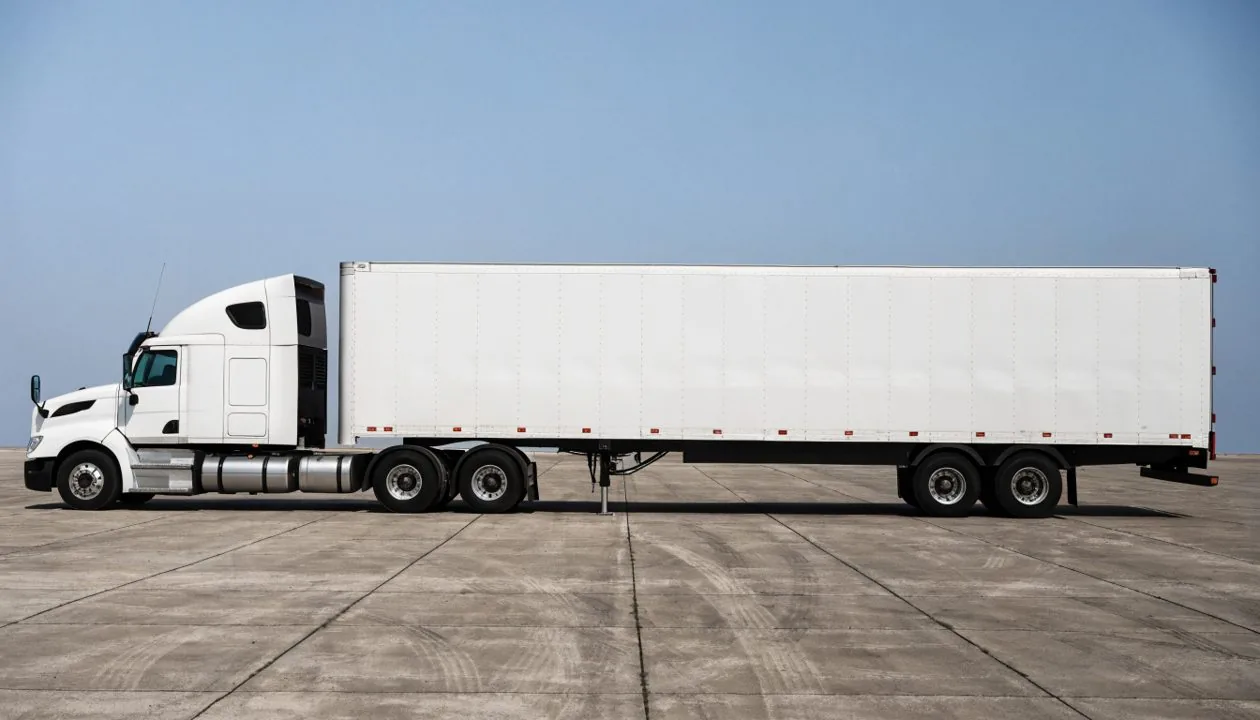
Components
Service brakes and trailer connections
Listed for the § 396.11 reporting explanation. Stopping force, and the lines that carry it to the trailer. What condition was documented, what work was performed, and when? Driver report, repair record, and the next driver’s review when the rule calls for it.
Parking brake
Listed for the § 396.11 reporting explanation. Holds the parked vehicle. What did the driver report, and what maintenance record covers the parking brake? Driver report and maintenance file.
Steering
Listed for the § 396.11 reporting explanation. Directs the vehicle. What steering condition was written down, and what work followed? Driver report and repair record.
Lights and reflectors
Listed for the § 396.11 reporting explanation. Make the vehicle visible and show its signals. What equipment was present and operating under the relevant conditions? Driver report, photographs, and repair records.
Tires
Listed for the § 396.11 reporting explanation. Contact the road. What did inspections, photographs, and any retained components show? Driver report, photographs, and maintenance records.
Horn
Listed for the § 396.11 reporting explanation. Audible warning. Was a horn problem reported, and was any work recorded? Driver report and repair record.
Windshield wipers
Listed for the § 396.11 reporting explanation. Clear the windshield. What wiper condition was documented? Driver report and repair record.
Mirrors
Listed for the § 396.11 reporting explanation. Show the sides and rear the driver uses. What equipment and adjustment were documented? Driver report and photographs.
Coupling
Listed for the § 396.11 reporting explanation. Joins the tractor and trailer on combination equipment. What configuration, inspection, and maintenance evidence exists? Driver report, inspection notes, and maintenance records.
Wheels and rims
Listed for the § 396.11 reporting explanation. Carry the tires and the load. What did inspections, photographs, and any retained parts show about the wheels and rims? Driver report, photographs, and maintenance records.
Emergency equipment
Listed for the § 396.11 reporting explanation. Equipment the driver can reach for a roadside emergency. What emergency equipment was listed, and where was it recorded? Driver report and equipment inventory.
Cargo and load condition
Investigation topic. Not an enumerated § 396.11 component. How the load sits on the vehicle. This is an investigation topic of its own. What was documented about securement and load condition, and in which record? Shipping papers, photographs, and any separate cargo notes.
Pre-trip mode explains the duty to be satisfied the vehicle is in safe operating condition, and to review the last report when that review applies, before driving. 49 CFR § 396.13. Switching mode does not change the condition of the truck in the photograph.
Post-trip mode explains the driver-vehicle inspection report after the day’s work. 49 CFR § 396.11. For the property-carrier example, a written no-defect report is not required every day. Switching mode does not change the condition of the truck in the photograph.
A blank or no-defect report is not proof of safe condition. Systematic inspection, repair, and maintenance stay with the carrier as a separate duty. 49 CFR § 396.3.
Eight Phases of a Pre-Trip Inspection
The walk-through below maps those rules to eight phases. Each phase lists the checkpoints a driver clears. Read it as the same sequence a careful driver follows in the yard before pulling onto the highway.
Most fleets use a printed or electronic inspection sheet that follows the same order. A careful driver moves left-to-right around the truck rather than skipping from front to rear, because a missed step on the steer axle or the fifth wheel can turn into a roadside out-of-service order or, on the highway, a crash. The Commercial Driver’s License (CDL) skills test mirrors the same sequence. A CDL applicant has to demonstrate this pre-trip on a real tractor-trailer before being licensed. That is why the eight-phase walk-through below tracks both the federal rule and the way a driver was trained to run it.
Approach & Fluid Leak Check
General condition walk-up. Note vehicle leaning, fresh puddles under the engine and drivetrain, and any obvious damage before you open a panel.
- Vehicle not leaning to one side
- No fresh fluid puddles under engine
- No coolant / oil / fuel staining
- Area around tires & frame clear
Engine Compartment (Engine Off)
Hood up, engine off. Verify fluid levels and inspect belts & hoses for the ABC defects: Abrasions, Bulges, Cuts, plus secure wiring and mounts.
- Engine oil level: within safe range
- Coolant level: at / above min
- Power steering fluid: full
- Belts & hoses (ABC): no abrasions/bulges/cuts
- Alternator & water pump secure
- Air compressor mounted, belt OK
Cab & Controls (Engine Start)
Engine started. Confirm gauges read normal, controls respond, and required safety equipment is present and in date.
- Oil pressure & gauges normal
- Horns (city + air)
- Wipers / washers
- Mirrors & windshield clean
- Heater / defroster
- Fire extinguisher, triangles, spare fuses
In-Cab Air Brake Tests (LAB)
The critical LAB sequence: Leakage, Alarm, Brake pop-out. Build to governor cutout, then test in order with the engine off and brakes applied.
- Governor cut-out: approx. 120–130 PSI
- Applied leakage rate: < 4 PSI/min (combo)
- Low-air warning alarm: activates < 60 PSI
- Spring brakes pop out: 20–45 PSI
- Air builds 85–100 PSI: ≤ 45 sec
Walk-Around: Driver Side
Down the driver side. Steering and suspension play, front wheel & tire condition, hub seals, and all lights and reflectors.
- Steering play: ≤ 10 deg (~2 in)
- Tread depth (steer): ≥ 4/32 in
- Tire pressure / no cuts
- Lug nuts tight, no rust streaks
- Hub oil seal: no leak
- Lights & reflectors intact
Coupling System (Fifth Wheel)
Inspect the connection between tractor and trailer. Locking jaws must be fully closed around the kingpin with no gap, and lines secured.
- Fifth wheel skid plate greased
- Kingpin not bent / worn
- Locking jaws fully closed: no gap at plate
- Release arm seated & locked
- Gladhands sealed, no leaks
- Electrical line firmly plugged
Trailer Walk-Around
Full trailer pass. Suspension and tandems, all tires & wheels, frame and crossmembers, landing gear stowed, and cargo properly secured.
- Trailer suspension & airbags
- Tandem tires / wheels / mud flaps
- Frame & crossmembers: no cracks
- Landing gear up & crank stowed
- Cargo secured, doors latched
- Trailer lights & reflective tape
Final Brake & Lights Check
Last verification before rolling. Service-brake tug test at ~5 mph, then a full external light and signal sweep with a walk-behind confirmation.
- Service brake tug test: holds at ~5 mph
- Parking brake holds
- Low/high beams & markers
- Turn signals & 4-way flashers
- Brake lights actuate
- DVIR signed & complete
When a Skipped Inspection Causes a Crash
Most of these checks take minutes. A cracked brake hose, a low steer tire, a loose fifth wheel, or a dead trailer light can each turn into a highway crash when no one catches it. The FMCSA records these defects through roadside inspections and out-of-service orders, and the same paper trail surfaces again after a wreck.
The same risk runs through the rest of the heavy-vehicle world. A skipped pre-trip on a long-haul tractor-trailer, a regional delivery vehicle, or a yard tractor moving freight all answer to the same federal rules. Whether the unit is a Class 8 tractor pulling a 53-foot trailer or a straight truck running a local route, the driver still has to clear the eight phases before the trip.
When the truck accident lawyers at Sam Aguiar Injury Lawyers build a case, the pre-trip inspection, the driver vehicle inspection reports, and the carrier maintenance file show whether the company met its own duty before the trip. A gap in that record often points straight to the cause. The same documentation question runs through the firm’s car accident work, and the trucking outcomes are on the firm’s case results page.
Failed Inspections Show Up in Crash Data
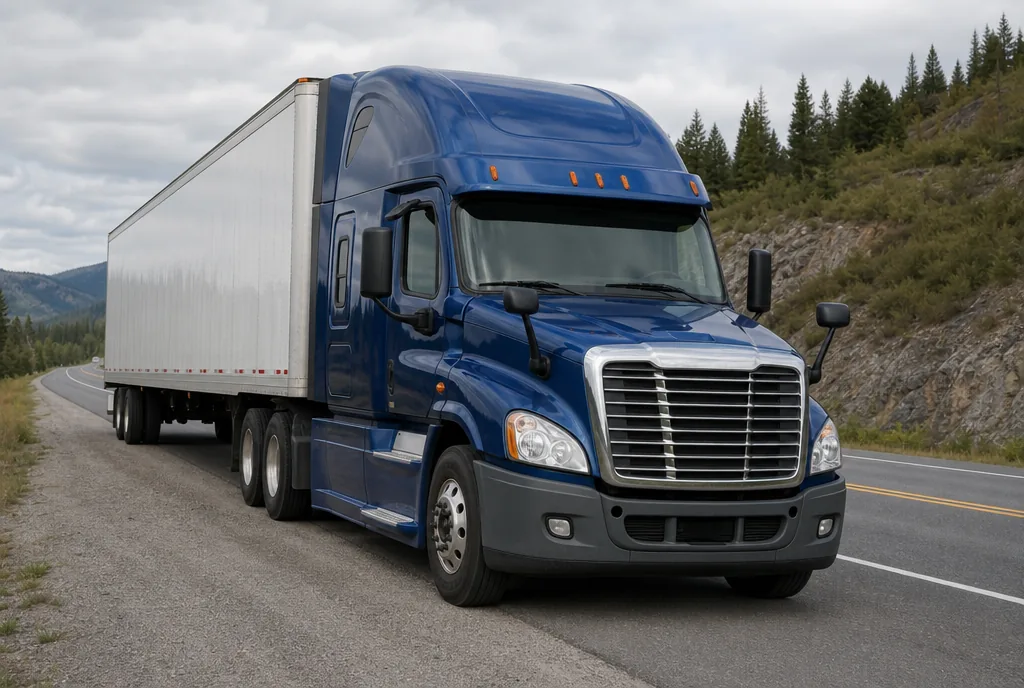
Federal crash data shows how often these defects go uncaught. In a Large Truck Crash Causation Study inspection of 407 large trucks, the Federal Motor Carrier Safety Administration found brake problems on 32.7 percent of them, and 35.1 percent had at least one defect serious enough to place the truck out of service. Two of every three trucks carried some violation.
Numbers like these are why a pre-trip inspection is not a formality. When a carrier treats it as one, the same brake, tire, and lighting defects the check is built to catch are the ones that turn up in the crash report. The same pattern shows up in dash camera and event data recorder pulls: a brake light that was out the night before, a low-pressure warning the driver acknowledged and kept rolling, a tire pressure reading the carrier never repaired. Independent footage from the cab and the highway often closes the gap between what the paperwork says and what the crash shows. That is the same reason Sam Aguiar Injury Lawyers treats DOT camera footage and the trucking black box ECM data as core evidence in every case.
What the Inspection Paper Trail Shows
A pre-trip inspection leaves a record. Under 49 CFR 396.11, a driver prepares a written driver vehicle inspection report at the end of each day for any defect that would affect safety, and the carrier must certify the repair before the truck runs again. The carrier also keeps maintenance and inspection files under 49 CFR 396.3.
What the Driver Vehicle Inspection Report (DVIR) Captures
The DVIR is the single page that ties the eight phases above to a written, signed record. The driver fills it out at the end of the workday for every vehicle operated. It lists each defect or deficiency the driver discovered or was told about, anything that would affect the safe operation of the vehicle or cause a mechanical breakdown. If nothing turned up, the driver signs that it is so. The carrier then certifies, before the truck runs again, that any reported defect has been repaired or that repair is not needed for safe operation. The next driver to take that unit must review the most recent DVIR and sign it before pulling out.
That chain of signatures is what makes the DVIR powerful evidence after a crash. It dates the moment a defect was reported, names the driver who reported it, and names the carrier representative who certified the repair. When a brake hose, a low-air warning light, or a coupling jaw is on a DVIR the night before a wreck, the question stops being whether the carrier knew; it becomes what the carrier did about it.
Those documents show whether a known defect sat unrepaired before a trip. Read together with the eight phases above, they turn a vague claim of a sudden failure into a dated, signed record of what the driver and the company knew. They are also the records the firm’s trucking team requests on day one, alongside the hours-of-service log, the maintenance file, and any camera or telematics data the unit was carrying.
Hurt in a Crash With a Commercial Truck?
A skipped or falsified pre-trip inspection leaves gaps in the DVIR, the maintenance file, and the hours-of-service log. Sam Aguiar Injury Lawyers requests those records on day one, along with camera and telematics data, to show what the driver and the carrier knew before the trip. You pay $0 Out-Of-Pocket Forever. Call today for a free case review.