
Rights After a Car Accident in Kentucky

Kentucky car accident victims have legal rights that start the moment a crash happens: choosing their own doctor, declining a recorded statement to the other driver’s insurer, rejecting a low settlement offer, collecting personal injury protection benefits regardless of fault, using uninsured and underinsured motorist coverage, and hiring an attorney before speaking to any insurer. Insurance companies know those rights exist, and many claims are handled on the assumption that the injured person does not.
Kentucky Crash Numbers
Kentucky crashes injure tens of thousands of people each year. Kentucky State Police data for 2024 shows 707 people killed and 29,265 people injured on public roads, roughly one injury every 18 minutes.
The financial toll is just as large. TRIP estimates that fatal and serious crashes in Kentucky in 2024 caused $29.7 billion in societal harm, including $7.4 billion in economic costs. Kentucky’s 2024 traffic fatality rate of 1.45 per 100 million vehicle miles traveled was the ninth highest in the nation, above the national rate of 1.2.
Nearly one in five Kentucky drivers carries no insurance. Kentucky has the sixth-highest uninsured driver rate in the country at 18.7%, which makes uninsured and underinsured motorist rights essential.
707
People killed on Kentucky public roads in 2024
29,265
People injured on Kentucky public roads in 2024
18.7%
Share of Kentucky drivers without insurance, sixth highest in the U.S.
Sources: Kentucky State Police, 2024 Traffic Collision Facts; The Lane Report.
Right to Choose a Treating Doctor
A person injured in a Kentucky crash chooses the treating physician. Insurance adjusters sometimes suggest approved providers or push for early medical exams, and the injured person is not required to treat with the insurer’s doctor.
Kentucky’s no-fault law ties medical benefits to the treatment itself. Under KRS 304.39-020, a covered medical expense means reasonable charges for reasonably needed products, services, and accommodations, including medical care and rehabilitation, and it includes all healing arts professions licensed in Kentucky. The treating doctor shapes the documentation of the injuries, and a physician unfamiliar with crash injuries may not capture the full picture.
Recorded Statements to the Other Insurer
A recorded statement to the at-fault driver’s insurer is not required. That insurer may call within hours of a crash, and the injured person has no contract with it and no obligation to give a statement.
Insurers process claims every day using police reports, medical records, photographs, and witness statements, and KRS 304.12-230 makes it an unfair claims settlement practice to refuse to pay claims without a reasonable investigation based on all available information. Recorded statements are used to lock in a version of events before the injured person knows the full extent of the injuries, and a phrase like “I’m okay” or “I didn’t see it coming” can be used to minimize the case later. A polite refusal that directs communication to an attorney is within the injured person’s rights, as the firm’s article on why insurers want recorded statements explains.
Settlement Offer Rejection Rights
No one is required to accept the first settlement offer, and the first offer is rarely the insurer’s best number. Adjusters are trained to close files quickly and cheaply, and initial offers often leave out future medical costs, long-term wage loss, and the full value of pain and suffering.
Kentucky’s Unfair Claims Settlement Practices Act, KRS 304.12-230, prohibits an insurer from failing to attempt in good faith a prompt settlement when liability has become reasonably clear, and from compelling insureds to sue by offering substantially less than the amounts ultimately recovered. An injured person can counter, demand a full explanation of any denial, wait until medical treatment concludes before settling, and take the case to a jury when the insurer will not offer a number that reflects the actual losses. The firm’s page on Kentucky bad faith cases covers how that conduct becomes a separate case.
Personal Injury Protection Rights
Kentucky is a choice no-fault state, and a standard Kentucky auto policy includes basic reparation benefits, also called personal injury protection. Under KRS 304.39-020, those benefits pay up to $10,000 for one person’s economic loss from one accident, covering medical expense, work loss, and replacement services loss without a showing that the other driver was at fault. Under KRS 304.39-130, benefits for work loss and replacement services may not exceed $500 per week.
Benefits are overdue if not paid within 30 days after the insurer receives reasonable proof of the loss, and under KRS 304.39-210 overdue payments bear 12% annual interest, or 18% when the delay was without reasonable foundation. The injured person can also direct how personal injury protection pays among categories of loss, such as medical bills before wage loss.
When no personal injury protection applies or the coverage cannot be identified, an eligible person can seek basic reparation benefits through the Kentucky assigned claims plan under KRS 304.39-160.
Uninsured and Underinsured Motorist Rights
With nearly one in five Kentucky drivers uninsured, uninsured and underinsured motorist coverage is often the most important protection after a serious crash. Under KRS 304.20-020, a Kentucky auto liability policy must include uninsured motorist coverage unless a named insured rejects it in writing. That coverage pays the damages the injured person is legally entitled to recover from an uninsured at-fault driver.
Underinsured motorist coverage applies when the at-fault driver’s policy limits do not cover the full losses. Under KRS 304.39-320, every insurer must make underinsured motorist coverage available to its insureds upon request. When the damages exceed the at-fault driver’s limits, that coverage can pay the balance up to the selected limit. Kentucky also allows stacking of uninsured and underinsured motorist coverage in many cases where separate premiums were paid, so more coverage may be available than the declarations page suggests.
Good Faith Duty of the Injured Person’s Own Insurer
KRS 304.12-230 applies to the injured person’s own insurance company as well as the other driver’s. An insurer that unreasonably delays or denies a valid uninsured or underinsured motorist claim can face a bad faith claim, and the company collecting the premiums owes the same good faith as any other insurer.
Attorney Representation After a Crash
An injured person can hire an attorney before speaking to any insurance company, before signing anything, and before accepting any offer, and that right exists from the moment of the crash. Insurers respond differently when an attorney is involved, and the case is documented and negotiated from the start instead of after an early statement or offer has shaped it.
Put Your Rights to Work After a Kentucky Crash
From the moment of the crash, you can choose your own doctor, decline a recorded statement, reject a low offer and hire a lawyer before any insurer calls. Sam Aguiar Injury Lawyers steps in so your case is documented from the start instead of shaped by an early statement or a rushed offer. You get a dedicated three-person case team, and most cases qualify in under 10 minutes. Use that time for a free case review.
Frequently Asked Questions
1Do I have to give a recorded statement to the other driver’s insurance?+
2Can I pick my own doctor after a Kentucky car crash?+
3What does personal injury protection cover in Kentucky, and how much is it?+
4What if the other driver had no insurance?+
5Can I reject an insurance settlement offer?+
6What is underinsured motorist coverage in Kentucky?+
7What is Kentucky’s Unfair Claims Settlement Practices Act?+
Latest Articles
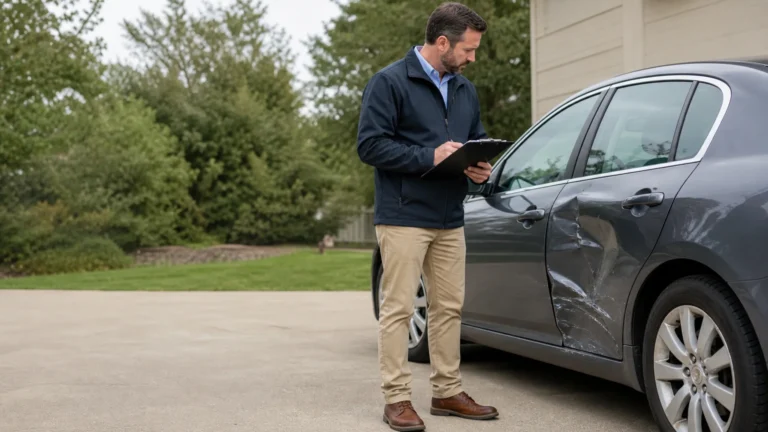
Kentucky Diminished Value Claims
Kentucky drivers may pursue a repaired vehicle’s leftover market loss from the at-fault driver as part of a.
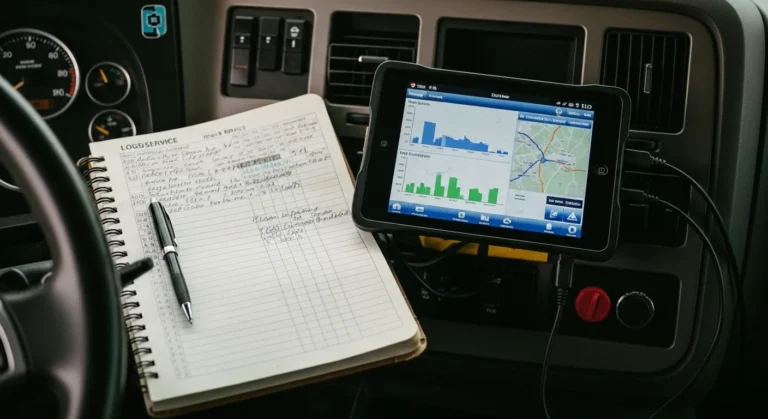
FMCSA Revoked ELDs: Fleet Compliance and Enforcement Deadlines
FMCSA removed five electronic logging devices from the registered list on August 6, 2026, and set an October.

FMCSA English Proficiency Rule and OOS Enforcement
FMCSA English Proficiency Rule Sam Aguiar Injury Lawyers August 11, 2026 7 minute read On This Page.