

Giving a Recorded Statement to an Insurance Adjuster
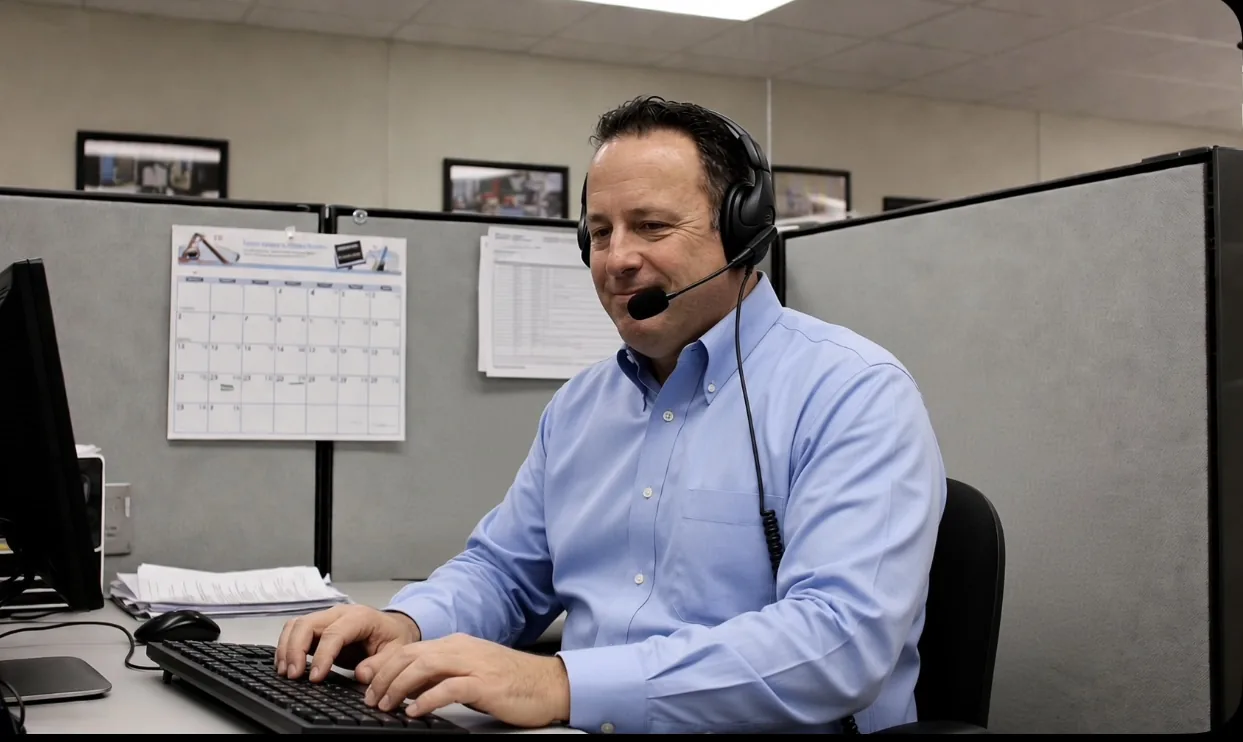
No law requires an injured person to give a recorded statement to the other driver’s insurance company. The adjuster who calls within hours or days of a crash is working to fix a version of events before the full medical picture is known. Under KRS 304.12-230, Kentucky insurers must investigate claims based upon all available information, and they do not need a recording to do that. Insurance recorded statements after car accidents are one of the most common ways injured people damage their own cases.
Recorded Phone Statements
A recorded statement is a formal, taped phone interview with an insurance adjuster. The adjuster announces the recording, then works through prepared questions about how the crash happened, the injuries, activities before the collision, and how the injured person has felt since.
For the insurance company, the statement captures an account while shock and stress are highest, creates a permanent record to search for inconsistencies, and supplies language to use in settlement negotiations. United Policyholders, a national insurance consumer organization, advises against giving recorded or sworn statements until the claimant understands their rights.
Adjuster Pressure for Early Statements
Adjusters are trained to close claims at the lowest possible cost, and a recorded statement creates evidence that can reduce the payment.
Timing After a Crash
Right after a crash, an injured person may be dealing with shock, pain, medication, and stress, and memory of the event is still incomplete. An offhand remark about feeling “okay” or a rough guess about vehicle speed becomes a permanent part of the claim file.
Early Injury Descriptions
Crash injuries such as whiplash, soft tissue damage, concussions, and herniated discs often take days or weeks to fully surface. If the injured person says on day one that the neck “feels a little sore,” and an MRI later reveals a herniated disc requiring surgery, the adjuster will cite those words to challenge the connection to the crash.
Question Patterns
Adjuster questions sound conversational but carry legal weight. Five common patterns:
- A greeting that asks how the person is doing, where an instinctive “I’m fine” gets transcribed as an acknowledgment that the injuries are minor.
- A request for vehicle speeds. Estimates from crash victims are unreliable, and a figure that differs from later event data recorder information becomes a credibility attack.
- A request to describe the scene. Gaps in recalling lane configuration, light timing, or speed limit signs let the adjuster suggest inattention.
- A question about medications taken before the crash, asked to find any hint of impairment.
- A question about what could have been done differently, designed to draw an acceptance of blame. Mistakes to avoid after an accident covers related errors.
Case Investigation Duties in Kentucky
KRS 304.12-230 makes it an unfair claims settlement practice to refuse to pay claims without conducting a reasonable investigation based upon all available information, or to fail to adopt and implement reasonable standards for the prompt investigation of claims. Insurers process claims every day using:
- Police and crash reports
- Medical records and bills
- Photographs and physical evidence from the scene
- Witness statements
- Written statements from the parties
An adjuster who says a case cannot move forward without a recorded statement is describing a preference, not a legal requirement. Kentucky regulation also sets deadlines: under 806 KAR 12:095, an insurer must acknowledge notice of a claim within 15 days and offer any payment due within 30 calendar days of receiving proof of loss.
Proof of Loss and PIP Exam Rules
The Kentucky Department of Insurance personal auto review checklist states that under KRS 304.14-270, insurers shall furnish proof of loss forms upon written request of any person. A written proof of loss gives the claimant a documented channel to present a claim instead of an oral recorded account, and it starts the 30-day payment clock in 806 KAR 12:095.
The same checklist states that for personal injury protection cases, insurers shall not require an independent medical examination unless it is material to the case, and only by a court order with good cause.
Regulator Guidance on Statements
The California Department of Insurance explains that after a case, an insurer will contact its policyholder for detailed information and may take a written or recorded statement. The same guidance advises consumers not to sign statements regarding fault or agree to pay for the other parties’ damages, and, if served with a lawsuit, not to give statements or discuss the accident with anyone except a verified representative of their own insurance company.
Opposing Insurer and Own Insurer
At-Fault Driver’s Insurer
An injured person has no contract with the at-fault driver’s insurer and is not its policyholder. That insurer’s duty runs to its own insured, and it has no legal right to demand a recorded statement from the injured person. Declining and directing the adjuster to an attorney is within the injured person’s rights.
Injured Person’s Own Insurer
A person’s own policy almost certainly contains a cooperation clause, which may require some form of statement as part of the insurer’s investigation. As United Policyholders advises, cooperation does not automatically mean a recorded statement, and the insured can have an attorney present during any statement. A claimant who is not ready can respond: “I’m still dealing with my injuries and haven’t spoken with an attorney yet. I’m not in a position to give a recorded statement at this time.” That response does not refuse cooperation and does not admit or deny injuries.
Recorded Statement Risks
Even a careful, accurate recorded statement creates vulnerabilities in a case:
- Locked-in injuries: minor pain described early can be used to dispute more serious injuries that emerge later, or to argue those injuries came from somewhere else.
- Inconsistencies: any difference between the statement and later medical records, police reports, or witness accounts becomes a credibility question.
- Out-of-context quotes: a misspoken phrase or an honest “I’m not sure” can be clipped and framed in settlement negotiations.
- No revision: unlike a written statement reviewed before submission, a recorded statement is final when the call ends.
Kentucky’s insurance bad faith law addresses claim handling that crosses from aggressive to unlawful.
Should You Give That Recorded Statement?
A recorded statement is final the moment the call ends, and an honest “I’m not sure” can be clipped and used against you in settlement talks. Sam Aguiar Injury Lawyers handles insurer contact for you, so there is no unscripted phone call to clip. A dedicated three-person case team keeps your file current from there. Before you say yes to that call, request a free case review.
Frequently Asked Questions
1Is a recorded statement to the other driver’s insurance company required?+
2Does an insured have to give their own insurance company a recorded statement?+
3Does an early recorded statement ruin an injury case?+
4Will refusing a recorded statement hurt a third-party claim?+
5What if an adjuster says the statement is required to process the claim?+
Latest Articles
Kentucky Diminished Value Claims
Kentucky drivers may pursue a repaired vehicle’s leftover market loss from the at-fault driver as part of a.

FMCSA Revoked ELDs: Fleet Compliance and Enforcement Deadlines
FMCSA removed five electronic logging devices from the registered list on August 6, 2026, and set an October.

FMCSA English Proficiency Rule and OOS Enforcement
FMCSA English Proficiency Rule Sam Aguiar Injury Lawyers August 11, 2026 7 minute read On This Page.