

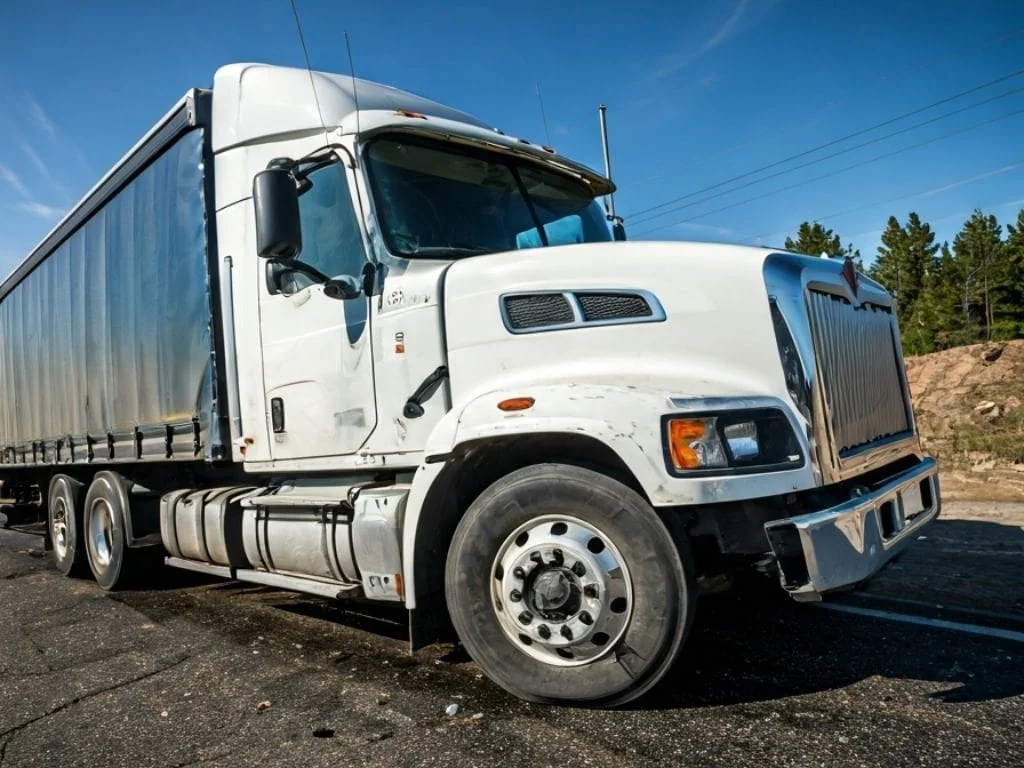
What Truckers Say Online Can Win Your Case
Truck drivers post detailed accounts of unsafe conditions, forced dispatch, and inadequate training on message boards and job review sites. Our dedicated trucking team knows how to find it, preserve it, and use it to prove carrier negligence.
Trucking companies know their operations better than anyone — and so do their drivers. When carriers cut corners on safety, skip required training, push drivers past federal Hours of Service limits, or ignore known equipment problems, drivers often document it in plain language on forums, job review sites, and social media. The FMCSA’s Large Truck Crash Causation Study found that driver behavior was the critical factor in the majority of truck crashes — and the patterns driving that behavior often leave a digital trail. That trail can make or break a case against the carrier.
Why Trucker Online Posts Are Valuable Case Evidence
Truck drivers spend long hours alone on the road. Many are active on driver forums, job review platforms like Indeed and Glassdoor, and social media communities where they share candid accounts of working conditions. Posts often describe exactly the things that cause crashes: dispatch pressure to drive while fatigued, route assignments that exceed Hours of Service limits, trucks with known mechanical problems that were sent out anyway, and complete absence of training for new hires.
These posts are valuable for two reasons. First, they establish a pattern — a single crash can look like an isolated incident, but a history of complaints about the same carrier establishes a pattern of systemic negligence. Second, they show what the company knew. When management-level employees see and respond to those posts — or when internal communications reference the same concerns — it becomes much harder for a carrier to claim they had no knowledge of the risk.
(FMCSA LTCCS)
(FMCSA 2023 data)
Common Patterns in Driver Posts That Reveal Carrier Negligence
Dispatch Pressure and Forced Runs
Some of the most damaging driver posts describe being told to make runs the driver knew were unsafe or HOS-illegal. Specific language like “I told dispatch the truck had brake problems and they told me to haul anyway” — or “I was two hours over my hours and dispatch said if I didn’t make the delivery I was done” — is direct evidence of the carrier’s decision-making process. It shows the company was aware of the risk and chose profit over safety.
Under 49 CFR Part 395, drivers are prohibited from driving beyond Hours of Service limits. Under 49 CFR 392.3, no driver can operate while their ability is impaired by fatigue. When a carrier pressures drivers to violate these rules — and drivers document that pressure publicly — the carrier’s liability exposure becomes significant, including the potential for punitive damages.
No Training or Inadequate Training
Driver posts about being hired with little to no training — or being handed the keys to an unfamiliar truck type without instruction — are evidence of negligent training. Federal regulations under 49 CFR Part 380 set entry-level driver training requirements, but carrier obligations go further than the regulatory minimum. When a crash occurs and a driver’s public posts describe inadequate preparation, that’s a direct line to the carrier’s liability.
What Types of Posts and Platforms Matter
Our team looks across multiple sources when building the carrier evidence picture:
- Glassdoor and Indeed — Employer reviews describing safety culture, dispatch pressure, and working conditions
- CDL-related forums — TruckersReport, TheRealTruckers, and other communities with detailed operational discussions
- Facebook groups — Driver community pages and carrier-specific groups where members discuss route conditions and company practices
- Reddit — r/Truckers and related subreddits with candid discussions of industry conditions
- LinkedIn — Safety manager and driver accounts that may reference regulatory violations or company culture
- Former employee complaints — OSHA filings, state labor board complaints, and Department of Transportation whistleblower submissions
How Driver Talk Connects to Hard Evidence
Online posts don’t win cases alone — they become powerful when correlated with official data and documentation. Our team uses driver posts to identify investigation leads and then confirms them with regulatory records:
FMCSA BASIC Scores and Inspection History
The FMCSA’s Safety Measurement System (SMS) assigns Behavior Analysis and Safety Improvement Category (BASIC) scores to motor carriers based on roadside inspection violations. When drivers post about HOS pressure at a carrier and that same carrier’s Hours of Service BASIC score is elevated, the public record and the private account reinforce each other. This kind of corroboration is critical in front of a jury.
Telematics and Fleet Management Data
If driver posts describe being pressured to drive in specific conditions, fleet management system data — dispatch messages, GPS pings, satellite communications — can confirm or contradict those accounts. When the data matches what drivers say publicly, it becomes very difficult for a carrier to claim they operated safely.
Post-Accident Inspection Correlations
When a driver’s posts describe maintenance problems — brakes, tires, lighting — Driver Vehicle Inspection Reports (DVIRs) and maintenance logs from the same period should show those defects were either flagged and repaired, or flagged and ignored. Ignored defects, combined with driver accounts that describe the same problems, build a compelling picture of neglect.
Evidence Preservation: The 7-Day Window
Online content doesn’t last forever. Social media platforms delete posts, accounts get deactivated, and forum archives are not maintained indefinitely. When driver posts are relevant to a case, our team moves immediately to preserve them using:
- Certified screenshots with timestamps and URL documentation
- Hash-backed digital archiving — a hash value generated at capture that proves the content has not been altered since preservation
- Video capture of the full page context — including profile information, dates, and any employer responses
- Spoliation letters to the carrier — sent within seven days of being retained, requiring the carrier to preserve all records, including any internal communications referencing the same issues raised by driver posts
Carriers are required to preserve electronically stored information once litigation is reasonably anticipated. Our spoliation letters identify specific categories of evidence — dispatch logs, ELD records, maintenance files, internal safety reports, and more — that must be preserved. When a carrier destroys evidence after a spoliation letter, courts may instruct juries to draw an adverse inference: that the destroyed evidence would have been harmful to the carrier. That instruction can be the difference between winning and losing at trial.
From Driver Posts to Punitive Damages
When driver posts establish that a carrier had actual knowledge of a dangerous condition — and chose to ignore it — the case moves from ordinary negligence into potential punitive damages territory. Under Kentucky law, punitive damages are available when a defendant’s conduct shows “conscious disregard for the rights and safety of others.” A carrier whose own drivers repeatedly and publicly described being pressured into safety violations — and who did nothing to address those violations — has a serious punitive damages exposure.
Our dedicated trucking team builds these cases from the ground up: online research, regulatory records, inspection data, fleet management evidence, and direct witness interviews. Every piece of evidence strengthens the full picture. If you were injured in a Kentucky truck crash, the digital record that reveals what the carrier knew may already be out there — waiting to be found.
Frequently Asked Questions
Can social media posts by truck drivers actually be used in court?
Yes. Public posts on social media, forums, and job review sites are generally admissible as evidence. What matters is proper authentication — proving who made the post, when, and that the content has not been altered since it was preserved. Our team uses certified preservation methods that meet evidentiary standards.
What is a spoliation letter and why does it matter?
A spoliation letter is a formal legal notice to the opposing party — in this case, the trucking company — requiring them to preserve all evidence relevant to the anticipated litigation. This includes electronic data, communications, records, and physical evidence. If a carrier destroys evidence after receiving a spoliation letter, courts may allow juries to infer that the destroyed evidence was harmful to the carrier. Our team sends these within 24–48 hours of being retained.
How do driver complaints connect to the carrier’s liability?
When drivers publicly document that they reported safety concerns — and the carrier ignored them — it demonstrates actual knowledge of the risk. Under Kentucky law, a carrier that was on notice of a dangerous condition and failed to act can face liability not just for the driver’s actions but for independent negligence in management decisions. This also opens the door to punitive damages when the conduct shows conscious disregard for safety.
What are FMCSA BASIC scores and what do they show?
BASIC stands for Behavior Analysis and Safety Improvement Categories — the safety performance measurement system used by the FMCSA to identify carriers with elevated crash risk. Each BASIC category (unsafe driving, HOS compliance, vehicle maintenance, etc.) is scored based on roadside inspection violations. Elevated BASIC scores are admissible in personal injury litigation as evidence of a carrier’s pattern of safety violations, and they often match exactly what driver posts describe about that carrier’s culture.
Start Your Case Review Today
Tell us what happened. Our team will reach out quickly — no appointments needed.