

Truck Accidents by the Numbers
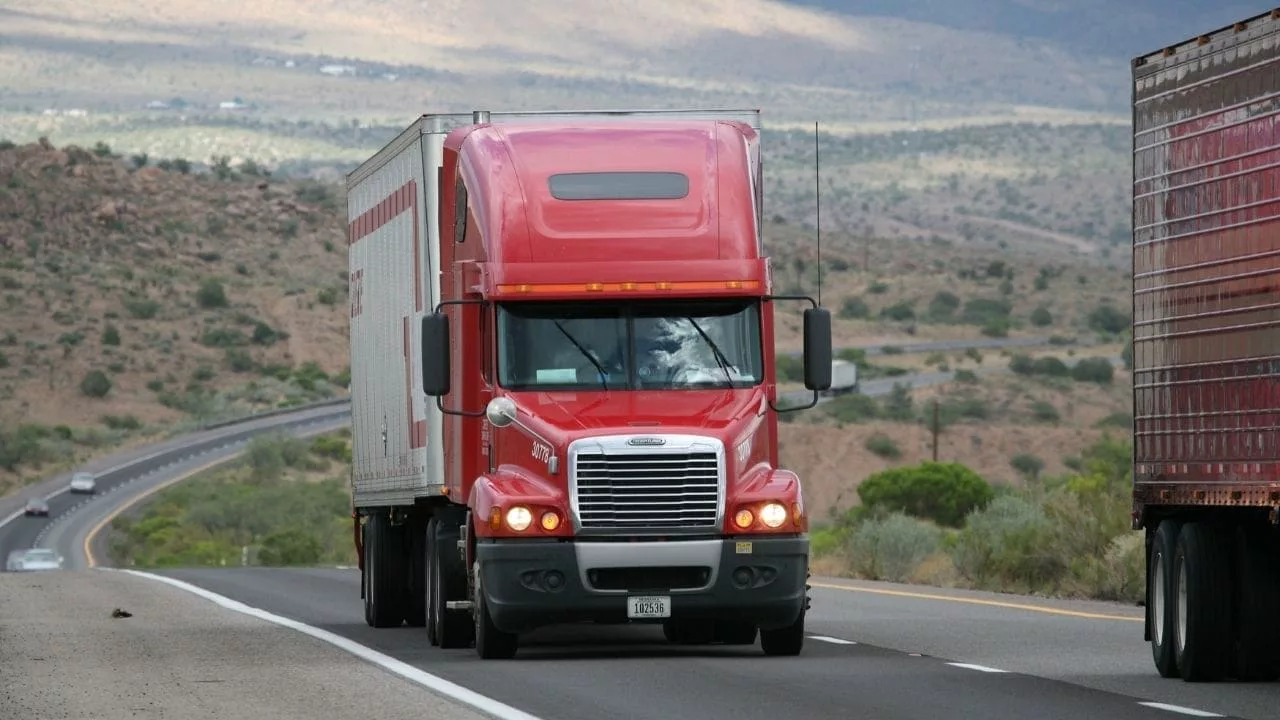
Kentucky sits at the intersection of several major freight corridors: I-65, I-64, I-71, and I-75 all run through the state, and the Federal Motor Carrier Safety Administration regulates the carriers that use them. Louisville’s position at the meeting point of I-64, I-65, and I-71 puts Jefferson County on a high-volume commercial truck corridor. The top causes of big truck accidents in Kentucky track closely with national patterns, and local road conditions, weather, and dispatch culture add their own risks.
What Causes Truck Crashes?
Driver factors account for most truck crashes. The FMCSA’s Large Truck Crash Causation Study (LTCCS) examined a nationally representative sample of serious crashes and assigned a critical reason to each one. Where the critical reason was assigned to the truck, the study attributed 87% to the driver, 10% to the vehicle, and 3% to the environment.
87%
Critical reasons attributed to the truck driver
10%
Critical reasons attributed to the vehicle
3%
Critical reasons attributed to the environment
Driver Factors
The associated factors the LTCCS most often coded for trucks include brake problems, traffic flow interruptions, prescription drug use, speeding, unfamiliarity with the roadway, and fatigue. Many of these failures trace back to carrier pressure, inadequate training, and schedule manipulation.
Vehicle-Related Defects
Brake failure leads the vehicle-defect category. 49 CFR Part 393 sets mandatory equipment standards for commercial vehicles, and compliance depends on the carrier’s maintenance culture. Safety systems evidence, including maintenance logs, inspection records, and driver vehicle inspection reports (DVIRs), often reveals patterns of neglect that existed long before the crash.
Environmental Factors
Road conditions, weather, and lighting account for the remaining 3%. Kentucky’s mix of interstate highways, two-lane rural roads, and mountain passes in the eastern counties creates conditions that drivers and dispatchers are expected to account for. When they fail to, liability can extend to the carrier for dispatching in unsafe conditions.
Carrier Responsibility
A carrier frequently creates the conditions behind driver error. Federal regulations require carriers to:
- Screen driver qualification files under 49 CFR Part 391
- Maintain accurate hours-of-service records under 49 CFR Part 395
- Conduct regular vehicle inspections and maintain equipment under 49 CFR Part 396
- Keep disqualified drivers off the road under 49 CFR 391.15
When a carrier skips these steps to move freight faster, negligent hiring and negligent maintenance claims follow.
Injury Severity in Truck Crashes
Truck crashes cause more severe injuries because of the mass involved. A loaded semi-truck can weigh up to 80,000 pounds under federal limits, and the Insurance Institute for Highway Safety reports that trucks often weigh 20 to 30 times as much as passenger cars. At 65 mph, a crash involving that mass produces catastrophic results for smaller vehicles. The most common truck accident injuries include traumatic brain injury, spinal cord damage, internal organ trauma, crush injuries, and amputations. Survivors often face surgeries, months of rehabilitation, and permanent limitations on their ability to work and function.
The financial damage compounds the physical. Medical liens, lost wages, and long-term care costs can reach seven figures before a case is even filed. Insurance coverage in commercial truck cases is typically far larger than in standard car crash cases. Federal minimums start at $750,000 under 49 CFR Part 387, and many carriers carry $1 million or more. That coverage comes with teams of adjusters and defense lawyers whose job is to minimize what the insurer pays out.
Evidence in Trucking Crash Cases
Commercial truck crashes produce more recoverable evidence than almost any other type of crash, provided it is preserved in time. The main evidence categories are:
- ELD and hours-of-service data: electronic logging devices record driving time, rest stops, and hours-of-service compliance, and hours-of-service violations show the driver was legally required to stop.
- Electronic control module (ECM) or black box data: speed, braking, throttle, and gear positions in the seconds before impact.
- Driver qualification file: employment application, driving record, prior crash history, and drug and alcohol test results, required by federal driver qualification regulations.
- Maintenance and inspection records: DVIRs, repair orders, and annual inspection certificates that show whether known defects were ignored.
- Fleet management system (FMS) data: dispatch messages, location pings, and communication logs that reveal carrier pressure and routing decisions.
- FMCSA inspection and SMS data: the Safety Measurement System scores carriers on safety behavior, and carriers with elevated Behavior Analysis and Safety Improvement Category (BASIC) scores have documented histories of violations.
Carriers are not required to preserve every record indefinitely. Dashcam footage, ECM data, weigh station records, and fuel receipts can all be lost if a spoliation letter is not sent promptly.
Did a Truck Crash Put You in the Hospital?
Behind the national truck crash figures are people with spinal injuries, brain injuries and months of lost work, and each of those cases depends on records carriers are not required to keep forever. Sam Aguiar Injury Lawyers has a dedicated trucking team that knows where dashcam footage, ECM data and weigh station records are kept. If you are one of the people behind these numbers, request a free case review.
Frequently Asked Questions
1How is a trucking crash case different from a regular car crash case?+
2Can I sue the trucking company directly?+
3What is the minimum insurance required for commercial trucks?+
4How soon should I contact a lawyer after a truck crash?+
5What compensation can I recover after a truck crash in Kentucky?+
Latest Articles

Kentucky Diminished Value Claims
Kentucky drivers may pursue a repaired vehicle’s leftover market loss from the at-fault driver as part of a.
FMCSA Revoked ELDs: Fleet Compliance and Enforcement Deadlines
FMCSA removed five electronic logging devices from the registered list on August 6, 2026, and set an October.
FMCSA English Proficiency Rule and OOS Enforcement
FMCSA English Proficiency Rule Sam Aguiar Injury Lawyers August 11, 2026 7 minute read On This Page.