
Zoox Robotaxis Join Uber in Las Vegas
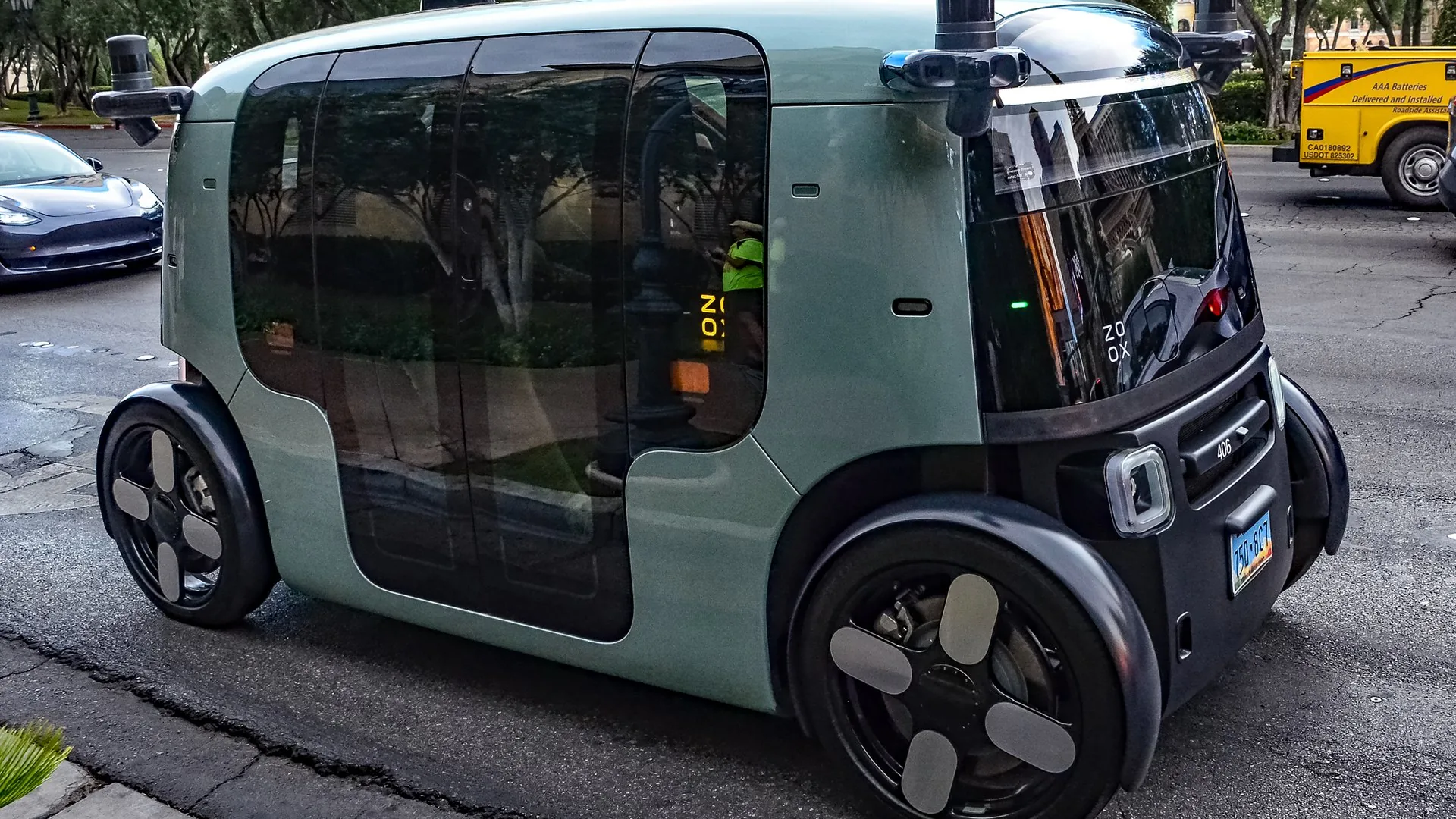
Zoox Robotaxi Service on Uber
Riders in Las Vegas can now be matched with Zoox on Uber. Since November 16, 2026, a request for UberX, Uber Comfort, Uber Electric, Uber Comfort Electric, or Wait & Save may be matched with a Zoox robotaxi at no additional cost. Riders who want one can raise their chances by opting in through Ride Preferences in the app. The vehicle is purpose-built and fully autonomous, with no driver and seats that face each other.
This is the first time Zoox has offered rides on a third-party platform. Zoox, an independent subsidiary of Amazon, keeps running rides through its own app in Las Vegas. Uber and Zoox were also named the official rideshare and robotaxi partners of MGM Resorts’ Las Vegas properties, and the two companies plan to bring the service to Los Angeles in 2027. The announcement does not say which company insures a robotaxi trip booked through Uber.
Rideshare Insurance Coverage in Kentucky
Kentucky sets rideshare coverage by what the driver is doing in the app. A driver who is logged in and waiting for a request needs at least $50,000 per person, $100,000 per incident, and $25,000 for property damage. Once a ride is accepted, the minimums rise to $100,000 per person, $300,000 per accident, and $50,000 for property damage in a vehicle with seven or fewer regular seats.
During an accepted ride, the rideshare company’s policy must also carry personal injury protection (PIP), uninsured motorist coverage, and underinsured motorist coverage. If the driver’s own insurance has lapsed, the company’s policy pays from the first dollar and must defend the case. Those rules assume a human driver with a personal auto policy, which a robotaxi does not have. A rideshare injury case with a human driver starts with the driver’s app status at the moment of the accident.
Kentucky Driverless Vehicle Requirements
Kentucky authorized fully autonomous vehicles in House Bill 7 in 2024. Under KRS 186.763, a fully autonomous vehicle may run with no human driver if its automated driving system is engaged, it can reach a minimal risk condition when the system fails, it can follow Kentucky traffic laws, and it carries any required federal certification.
Before driverless operation begins, the operator must file a law enforcement interaction plan with the Transportation Cabinet and Kentucky State Police. The plan explains how an officer reaches a fleet support specialist while the vehicle is in operation, how to remove and tow the vehicle, and how to tell whether the automated system is engaged. When that system is engaged, KRS 186.410(6) treats the vehicle’s owner as the operator for traffic-law purposes and treats the system as licensed.
| Authority | Applicable Condition | Requirement |
|---|---|---|
| AuthorityKRS 186.763 | Applicable Condition Driverless Operation No human driver on board | RequirementSystem engaged, minimal risk condition, traffic-law compliance |
| AuthorityKRS 186.766 | Applicable Condition Autonomous Vehicle Not run by a motor carrier | Requirement$1,000,000 single limit |
| AuthorityKRS 281.655(13) | Applicable Condition Autonomous Vehicle Run under a motor carrier certificate | Requirement$1,000,000 injury plus $1,000,000 property |
| AuthorityKRS 281.655(12) | Applicable Condition Rideshare Driver Accepted ride, human driver | Requirement$100,000 / $300,000 / $50,000 |
| Authority601 KAR 1:113 | Applicable Condition Rideshare Driver Accepted ride, human driver | RequirementPIP, uninsured and underinsured motorist coverage |
Sources: Kentucky Revised Statutes; Kentucky Administrative Regulations.
Robotaxi Insurance Minimums in Kentucky
A fully autonomous vehicle that is not run by a motor carrier must carry $1,000,000 in coverage on a single-limit basis, through insurance or self-insurance that meets Kentucky’s security requirements. A fully autonomous vehicle operated under a motor carrier certificate must carry at least $1,000,000 for injury or death per accident and another $1,000,000 for property damage.
Those floors are well above the rideshare minimums for a human driver. A fleet operator that self-insures pays covered losses from its own funds, so an injured person may deal directly with the company’s own claims staff.
Local Limits on Autonomous Vehicles
The Transportation Cabinet is the sole state agency over autonomous vehicles, and no state agency may ban them or impose separate performance standards. Cities and counties face a similar limit. Under KRS 186.779, a city such as Louisville or Lexington may not prohibit autonomous vehicles or treat them differently from other vehicles, though it keeps its general authority over its streets.
A 2025 proposal, Senate Bill 241, would have raised the coverage requirement to $5,000,000 and allowed local conditions. It did not pass, so the 2024 framework still governs.
Responsibility for a Robotaxi Accident
With no driver, the questions in a driverless car accident shift to the vehicle and the company behind it. Because the owner counts as the operator when the system is engaged, the fleet owner stands where a negligent driver would. Another motorist may still cause the accident, and a defect in the self-driving system can bring in the company that designed it.
The evidence also differs. Camera and sensor records, the system’s logs, and the fleet support specialist’s communications may show what the vehicle detected and decided. Whether the vehicle carried the federal certification KRS 186.763 requires is a separate question, and federal regulators can examine how a manufacturer certified a driverless design, as with Tesla’s Cybercab. The deadline to file is the same as for any motor vehicle accident: two years after the injury, the death, or the last PIP payment, whichever comes later.
Open Questions About Robotaxi Coverage
Kentucky has not said how its rideshare coverage stages apply when no driver is logged in. A robotaxi trip ordered through an app could be treated as a rideshare trip, as an autonomous vehicle trip under the $1,000,000 rule, or as both. The answer decides which policy pays first, whether the rideshare company’s PIP, uninsured motorist coverage, and underinsured motorist coverage apply, and which company an injured passenger deals with. Until a service launches in Kentucky and a court or the General Assembly answers it, that question stays open.
Serious Injuries in a Robotaxi Accident
A robotaxi or rideshare accident can involve the vehicle’s owner, the app company, and more than one insurance policy. If you suffered serious injuries, our Uber accident lawyers can review what happened and take over your case. Request a free case review.
Latest Articles
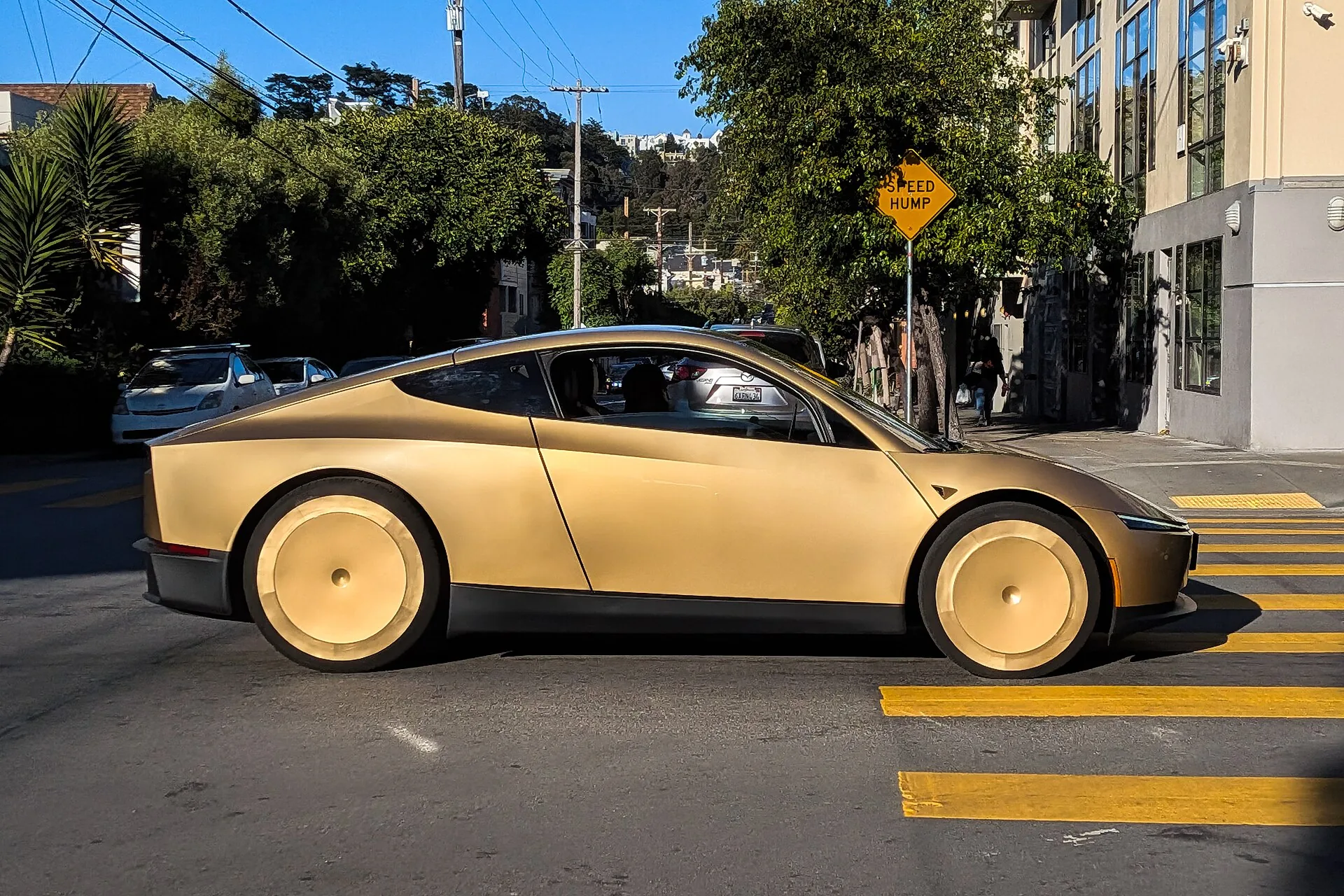
Tesla Cybercab Safety Review
Federal review of how Tesla certified its driverless Cybercab.
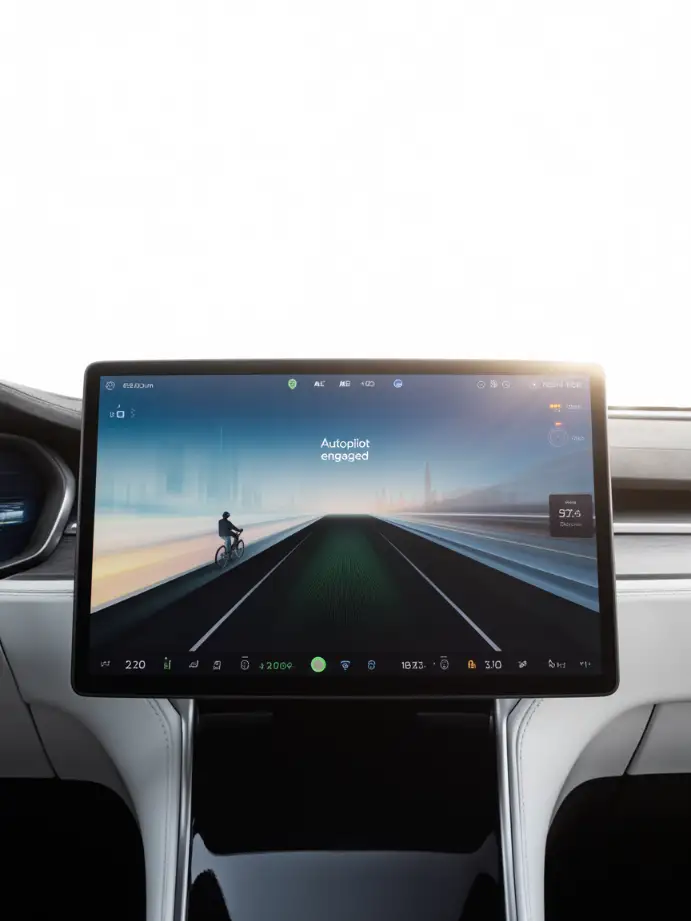
Driverless Car Accident Cases
Vehicle identity, operating mode and responsibility after a driverless car accident.
Rideshare Injury Cases
How app status and rideshare insurance shape an injury case.