

How to Value a Catastrophic Injury Case
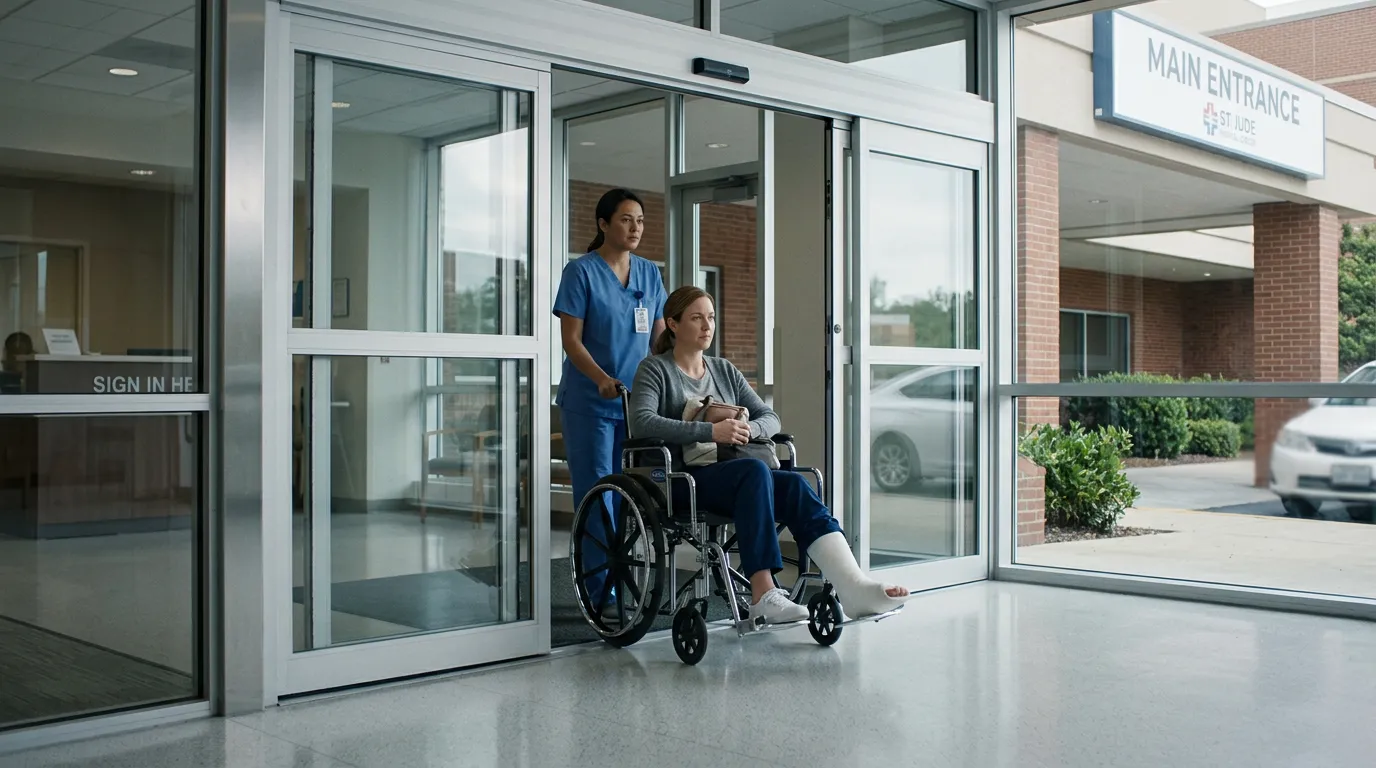
A high-stakes personal injury case is one where the injuries are severe, the damages are substantial, and the opposing party, typically a major insurance carrier or corporation, has significant resources to contest the claim. These cases call for more thorough investigation and more extensive medical and economic documentation. Sam Aguiar Injury Lawyers handles complex injury litigation across Kentucky, with recoveries listed on the firm’s case results page.
What Makes an Injury Case Catastrophic
A catastrophic injury, such as a traumatic brain injury, spinal cord injury, paralysis, severe burns, or amputation, changes the course of a person’s life. A short-term settlement estimate does not reflect those losses. The claim needs lifetime cost projections for care, equipment, and lost earning capacity.
Value and Complexity Factors
Personal injury cases do not all carry the same stakes. A high-value case generally involves one or more of these factors:
- Catastrophic injuries: traumatic brain injury, spinal cord injury, paralysis, severe burns, amputation, or an injury that permanently changes a person’s ability to work or function.
- Substantial medical bills: six-figure or larger medical expenses with ongoing care needs that require lifetime cost projections.
- Wrongful death: the loss of a family member, with damages that include funeral costs and lost income.
- Commercial vehicle accidents: trucking cases with multiple potentially liable parties, federal regulations, and corporate defendants carrying larger insurance policies.
- Multiple defendants: liability shared or contested across several parties, each with separate insurance coverage.
- Disputed liability: the at-fault party contests responsibility, and independent investigation is required to establish the facts.
- Large policy limits: claims that approach or exceed the underlying policy limits, sometimes involving excess coverage.
Preparation for High-Stakes Claims
Insurance companies often assign senior adjusters and outside counsel to significant claims. A high-value case needs preparation at the same level.
Evidence Preservation Steps
In high-stakes cases, particularly commercial trucking accidents, evidence can disappear quickly. Electronic logging device data, dash camera footage, and other time-sensitive records need to be preserved before they are overwritten or discarded under routine retention schedules.
Independent Investigation
A police report alone often leaves out part of the picture. High-stakes cases can call for detailed accident reconstruction, scene investigation, and, in trucking and commercial vehicle cases, review of the carrier’s safety records, maintenance logs, and driver qualification files. The Federal Motor Carrier Safety Administration maintains carrier safety data that can become evidence in these cases.
Future Damages Documentation
Medical economists, life care planners, and vocational professionals establish what an injury costs over time, including future surgeries, ongoing care, adaptive equipment, and lost earning capacity across a working lifetime.
Excess Coverage and Bad Faith
When a settlement demand or verdict exceeds the underlying policy limits, an insurer that refuses to offer its available limits in a case it is likely to lose can face additional exposure. Kentucky’s Unfair Claims Settlement Practices Act, KRS 304.12-230, lists the claims handling practices that can create that exposure, and evaluating it is part of how a high-value case is approached.
Catastrophic Injury Damages
The damages in a catastrophic injury case generally extend well beyond current medical bills. They can include lifetime medical care, in-home care for daily living activities, home modifications and adaptive equipment, lost earning capacity across a full working career, and pain and suffering that reflects the ongoing effect of the injury on daily life.
High-Stakes Case Types
Commercial Trucking and Semi-Truck Accidents
Commercial trucking cases are among the more complex personal injury claims in Kentucky. Tractor-trailer accidents can involve the Federal Motor Carrier Safety Regulations, several potentially liable parties such as the driver, the carrier, and the shipper, and insurance policies significantly larger than a standard auto policy. A trucking case can require driver logs, hours-of-service records, electronic logging device data, pre-trip inspection reports, and carrier safety scores, well beyond a standard car accident file.
Wrongful Death
When a person is killed by another party’s negligence, KRS 411.130 allows the personal representative of the estate to recover damages for the death, and punitive damages when the act was willful or the negligence gross. The statute directs the recovery, after funeral expenses and administration costs, to the surviving spouse, children, or parents in a set order. These cases require careful analysis of the decedent’s income and the economic effect on the surviving household.
Premises Liability and Defective Products
High-value claims also arise from dangerous property conditions and defective products. Falls at construction sites, exposure to hazardous substances, and defective vehicle components can produce catastrophic outcomes, and these cases often involve corporate defendants with substantial legal and insurance resources.
Ready to Take Action on Your Injury Claim?
After a serious injury, medical bills pile up while the insurance company looks for ways to pay you less. Most law firms take their cut first and leave you with whatever is left. Sam Aguiar Injury Lawyers does things differently. With our exclusive Bigger Share Guarantee®, you always get more. Every client gets a dedicated three-person team: an attorney, a case manager, and a legal assistant. We never raise our fee rate if we have to go to court, and you pay $0 Out-Of-Pocket Forever.
Frequently Asked Questions
1What makes a personal injury case catastrophic or high-stakes?+
2What evidence carries the most weight in a catastrophic injury case?+
3How is a wrongful death claim different from an injury claim?+
4Why is independent investigation important in a serious accident case?+
5What is excess coverage and bad faith exposure?+
Latest Articles
Kentucky Diminished Value Claims
Kentucky drivers may pursue a repaired vehicle’s leftover market loss from the at-fault driver as part of a.
FMCSA Revoked ELDs: Fleet Compliance and Enforcement Deadlines
FMCSA removed five electronic logging devices from the registered list on August 6, 2026, and set an October.
FMCSA English Proficiency Rule and OOS Enforcement
FMCSA English Proficiency Rule Sam Aguiar Injury Lawyers August 11, 2026 7 minute read On This Page.