
10 Mistakes to Avoid After an Accident

Decisions made in the first hours, days, and weeks after a car accident can decide whether an injured person recovers full compensation or a fraction of the documented losses. Insurance companies count on people making these mistakes, and Kentucky law shapes the cost of each one.
Mistakes at the Accident Scene
Leaving the Scene or Failing to Call 911
KRS 189.580 requires a driver involved in an accident to stop, check the extent of any injury or damage, and render reasonable assistance. When the accident causes a death, a known or visible injury, or a vehicle that cannot be driven, the same statute requires the driver to notify 911 or law enforcement if physically able. Leaving the scene also damages a driver’s credibility in the claim.
The police report documents the conditions, any citations issued, and statements from the people involved. Without it, the injured person faces the insurance company with no official record. That holds even when the at-fault driver asks to skip the police and handle it privately.
Admitting Fault or Apologizing
A simple “I’m sorry” at the accident scene can be recorded, reported to insurance companies, and used as an admission of liability. The cause of the accident is rarely clear at the scene, and the other driver may have been speeding, distracted, or impaired. Kentucky allocates fault by percentage under KRS 411.182, so even a partial admission can reduce the recovery. Cooperating with police without speculating about fault protects the claim.
Failing to Gather Evidence
An injured person who is physically able should document the scene before leaving: both vehicles from several angles, road conditions, skid marks, traffic signals, signage, and visible injuries. Names, phone numbers, and insurance information from everyone involved, and contact information from witnesses, are hard to get later because witnesses often leave quickly.
Traffic camera footage, dash camera recordings, and nearby business security video have short retention cycles, and once they are overwritten the footage is gone. The documents needed after a car accident list covers the rest.
Medical Treatment Delays
Adrenaline and shock can mask serious injuries for hours. Concussions, internal bleeding, herniated discs, and soft tissue damage often produce no noticeable symptoms until the next day or later. When an injured person waits days to see a doctor, the adjuster will argue the injuries were not serious or were not caused by the accident.
A same-day visit to the emergency room or an urgent care center closes that gap. Every day of delay is a hole in the medical documentation that an insurer will use against the claim, as the article on going to the hospital after an accident explains.
Insurance Claim Mistakes
Giving a Recorded Statement to the At-Fault Driver’s Insurer
The other driver’s insurance company often calls quickly and sounds friendly. The purpose of the call is to get the injured person on record saying something that minimizes the injuries, suggests partial fault, or locks in a story before the full scope of the injuries is known. An injured person is not legally required to give a recorded statement to the at-fault driver’s insurer and can decline until an attorney has reviewed the claim.
Accepting a Quick Settlement Offer
Fast settlement offers almost always arrive before the full medical picture is clear, before a doctor has determined whether surgery, long-term therapy, or permanent limitations are ahead. Once a release is signed, the claim is closed, no matter how much worse the condition gets later.
In most cases, the time to evaluate an offer is after maximum medical improvement (MMI), the point where doctors understand the full effect of the injuries. The main exception is an offer of the policy limits, after confirming there is no excess coverage and preserving any underinsured motorist claim by following its notice requirements. The article on insurance reserves explains how insurers value claims internally.
Not Filing a PIP Claim
Kentucky’s no-fault system provides basic reparation benefits, commonly called personal injury protection (PIP), capped at $10,000 per person under KRS 304.39-020 and paid by the injured person’s own insurer for medical bills and lost wages regardless of fault. Many accident victims skip this coverage because they do not know it exists or worry it will raise their premiums, a question covered in rate increases after a not-at-fault accident. Filing the PIP claim early puts money toward medical bills during recovery.
Handling the Claim Without an Attorney
Insurance adjusters handle hundreds of claims. They know which questions to ask, what to look for in medical records, and how to use the legal framework to limit payment. Claimants without representation typically receive lower settlements.
Most people do not know how to preserve and present evidence, document the full economic effect of an injury, identify every available insurance source (including underinsured motorist stacking), or respond to an independent medical exam. The article on common myths about personal injury claims covers the misconceptions that lead to these errors.
Social Media Posts
Insurance defense teams monitor social media after an accident. Photos from a restaurant, a family trip, or any activity that appears to contradict claimed limitations can be used to undermine the claim, and innocent posts get taken out of context. Staying off social media until the claim is resolved, with no posts about the accident, injuries, treatment, or activities, removes that risk. The article on social media surveillance shows how insurers use those posts.
Insurance Company Tactics
Adjusters are paid to resolve claims quickly and cheaply. The first offer is almost never the full value of the claim. A complete claim includes current medical bills, future medical costs, all lost income including reduced earning capacity, and the pain and disruption the accident caused. None of that is fully documented in the days after the accident, which is why adjusters call early, offer early, and ask for recorded statements while the injured person is still under stress. Those tactics rely on the confusion that follows a serious accident.
Kentucky Rules That Affect an Accident Claim
Kentucky is a choice no-fault state that allocates fault by percentage. That combination has specific effects on an accident claim:
- PIP pays first: the injured person’s own insurer pays basic reparation benefits up to $10,000 regardless of fault, and that payment does not prevent a full claim against the at-fault driver once the injuries meet the tort threshold.
- Tort threshold: under KRS 304.39-060, a claim for pain and suffering requires medical expenses over $1,000, a fracture, permanent injury, permanent disfigurement, or death.
- Fault allocation: under KRS 411.182, damages are reduced by the injured person’s percentage of fault, so a careless statement can raise that percentage and shrink the recovery.
Ready to Take Action on Your Injury Claim?
After a serious injury, medical bills pile up while the insurance company looks for ways to pay you less. Most law firms take their cut first and leave you with whatever is left. Sam Aguiar Injury Lawyers does things differently. With our exclusive Bigger Share Guarantee®, you always get more. Every client gets a dedicated three-person team: an attorney, a case manager, and a legal assistant. We never raise our fee rate if we have to go to court, and you pay $0 Out-Of-Pocket Forever.
Frequently Asked Questions
1Is a recorded statement to the at-fault driver’s insurer required?+
2How long should an injured person wait before accepting a settlement offer?+
3Does Kentucky PIP coverage apply when the accident was not the injured driver’s fault?+
4Can posting on social media hurt a car accident claim?+
5What does Kentucky law require at the scene of an accident?+
Latest Articles
Kentucky Diminished Value Claims
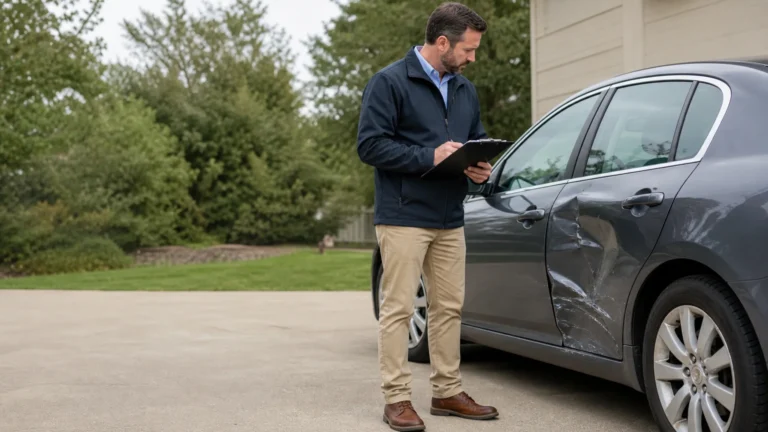
Kentucky drivers may pursue a repaired vehicle’s leftover market loss from the at-fault driver as part of a.
FMCSA Revoked ELDs: Fleet Compliance and Enforcement Deadlines
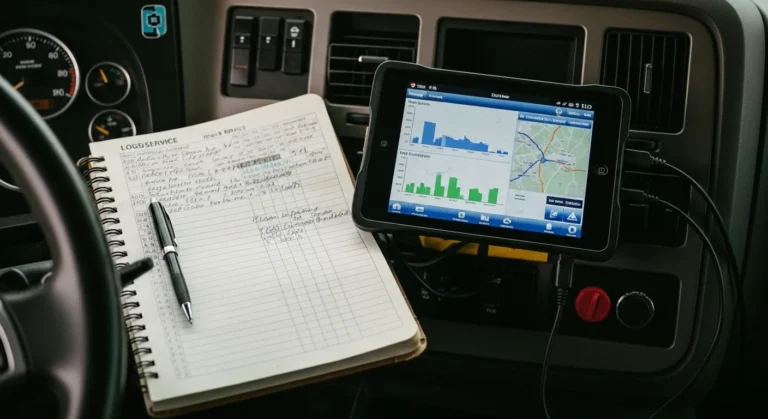
FMCSA removed five electronic logging devices from the registered list on August 6, 2026, and set an October.

FMCSA English Proficiency Rule and OOS Enforcement
FMCSA English Proficiency Rule Sam Aguiar Injury Lawyers August 11, 2026 7 minute read On This Page.