

Pedestrian Accident Cases in Kentucky
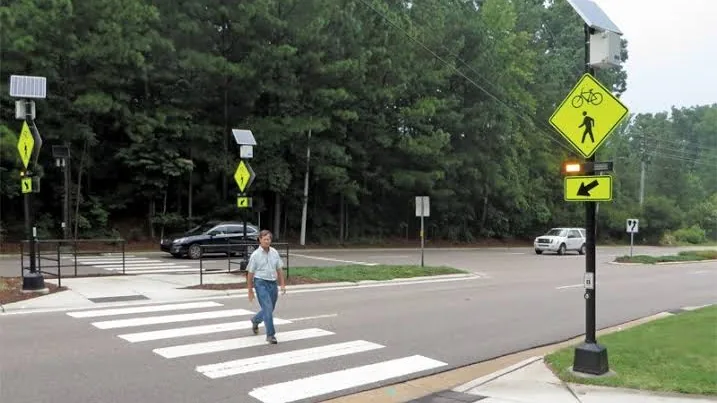
A pedestrian hit by a driver in Kentucky can still bring an injury case when the driver flees and is never identified. In those cases the injured person’s own uninsured motorist coverage is often the main path to compensation. Kentucky law requires every driver involved in an injury crash to stop and render reasonable assistance, and leaving the scene of a crash that causes death or serious physical injury is a felony. Sam Aguiar Injury Lawyers handles pedestrian injury cases across Kentucky, including cases where the at-fault driver is never identified.
Kentucky Hit-and-Run Crash Data
Hit-and-run crashes are common in Kentucky. The Kentucky State Police 2023 Crash Facts report documented 12,618 hit-and-run collisions in a single year. Of those, 45 were fatal collisions and 995 were injury collisions. Pedestrians accounted for 17 of the 45 people killed in those crashes, and another 119 pedestrians were injured.
The national pattern is similar. According to NHTSA’s 2023 pedestrian traffic safety fact sheet, nearly 1 out of every 4 pedestrians killed in U.S. crashes (24%) was struck by a hit-and-run driver.
12,618
Hit-and-run collisions in Kentucky in 2023
17
Pedestrians killed in Kentucky hit-and-run crashes in 2023
24%
Share of U.S. pedestrian deaths in 2023 caused by hit-and-run drivers
Source: Kentucky State Police and National Highway Traffic Safety Administration.
Duty to Stop Under KRS 189.580
Under KRS 189.580, the operator of a vehicle involved in a crash that injures or kills a person must immediately stop, determine the extent of the injury, and render reasonable assistance, including arranging transport to medical care when treatment is apparently necessary. The operator must also give the registration number and the names and addresses of the owner, occupants, and operator when asked.
Leaving the scene is a separate crime from causing the crash. The penalties appear in KRS 189.993:
- A violation of the duty to stop and render assistance carries a fine of $20 to $2,000, up to 1 year in county jail, or both.
- When the crash involved death or serious physical injury and the driver knew or should have known it, leaving the scene is a Class D felony, punishable by 1 to 5 years in prison.
A criminal conviction does not pay the injured pedestrian’s losses, but the police investigation and any charge can support the civil case.
Uninsured Motorist Coverage for Unknown Drivers
An unidentified driver does not end the case. Kentucky gives injured pedestrians several recovery routes.
Uninsured Motorist Claims
Under KRS 304.20-020, Kentucky auto policies include uninsured motorist coverage unless the named insured rejects it in writing. When a hit-and-run driver is never found, the policy typically treats the unidentified vehicle as an uninsured motor vehicle. The coverage pays legally recoverable losses, such as medical bills, lost wages, and pain and suffering, up to the policy limit. The consequences of rejecting uninsured motorist coverage in Kentucky show up most clearly in these cases.
Physical Contact Requirement
Many Kentucky uninsured motorist policies include a physical contact requirement for hit-and-run cases. The claimant may need evidence that the fleeing vehicle struck the pedestrian, such as photographs, paint transfer, damage patterns, witness statements, or police documentation of debris.
Household Policies
A pedestrian who does not own a car may still be covered as a resident relative under a household family member’s uninsured motorist policy. Walking at the time of the crash does not by itself rule out coverage.
Late Driver Identification
Surveillance cameras, witness tips, and paint transfer analysis sometimes lead police to identify a hit-and-run driver weeks or months after the crash. If the driver is found and insured, the pedestrian can pursue a direct case against that liability policy. Uninsured motorist funds already paid may be reimbursed to the insurer through subrogation, and damages above the driver’s limits remain part of the pedestrian’s case. Underinsured motorist coverage can apply when those limits fall short.
Identified Uninsured Drivers
If police identify the driver and that driver carried no insurance, the uninsured motorist claim proceeds the same way. The pedestrian can also seek a civil judgment against the driver personally, although collecting on it depends on the driver’s assets.
Evidence After a Hit-and-Run Crash
An uninsured motorist claim for a hit-and-run depends on records created at and after the scene:
- A police report, which most uninsured motorist claims require and which starts the search for the fleeing driver. The police report after an accident also records the scene details a case relies on.
- Vehicle details: color, make, any partial plate number, direction of travel, and identifying features, along with witness contact information.
- Prompt medical treatment, because gaps in treatment give the insurer room to dispute the injuries.
- Surveillance and traffic camera footage from nearby businesses and roadways, which systems overwrite on their own schedules. Sam Aguiar Injury Lawyers uses the DOT camera database to find crash footage.
- Timely notice to the insurer of a possible uninsured motorist claim, because most policies set reporting deadlines.
Pedestrian Hit-and-Run Case Disputes
Insurers scrutinize pedestrian hit-and-run uninsured motorist claims closely. Insurers often argue that the physical contact requirement was not met or that the physical evidence is insufficient.
A complete case record answers those defenses with police reports, medical records, witness accounts, traffic camera footage, accident reconstruction where the facts call for it, and medical testimony about the injuries.
Struck by a Driver Who Never Stopped?
A hit-and-run leaves a pedestrian with injuries and no driver to name, which puts the weight on uninsured motorist coverage and the evidence around the scene. Sam Aguiar Injury Lawyers has access to DOT/TRIMARC traffic camera archives that reach back about six months, which can put a vehicle on the record when witnesses cannot. You pay $0 Out-Of-Pocket Forever while the case is built. A free case review lets you find out what coverage applies to you.
Frequently Asked Questions
1Does uninsured motorist coverage pay if the hit-and-run driver is never found?+
2What criminal charges can a driver face for hitting a pedestrian and leaving?+
3What if the injured pedestrian does not own a car or have a policy?+
4How long is there to file a pedestrian injury case in Kentucky?+
5Can police identify a hit-and-run driver after the crash?+
Latest Articles
Kentucky Diminished Value Claims
Kentucky drivers may pursue a repaired vehicle’s leftover market loss from the at-fault driver as part of a.
FMCSA Revoked ELDs: Fleet Compliance and Enforcement Deadlines
FMCSA removed five electronic logging devices from the registered list on August 6, 2026, and set an October.

FMCSA English Proficiency Rule and OOS Enforcement
FMCSA English Proficiency Rule Sam Aguiar Injury Lawyers August 11, 2026 7 minute read On This Page.