

Kentucky Personal Injury Negotiations and Litigation
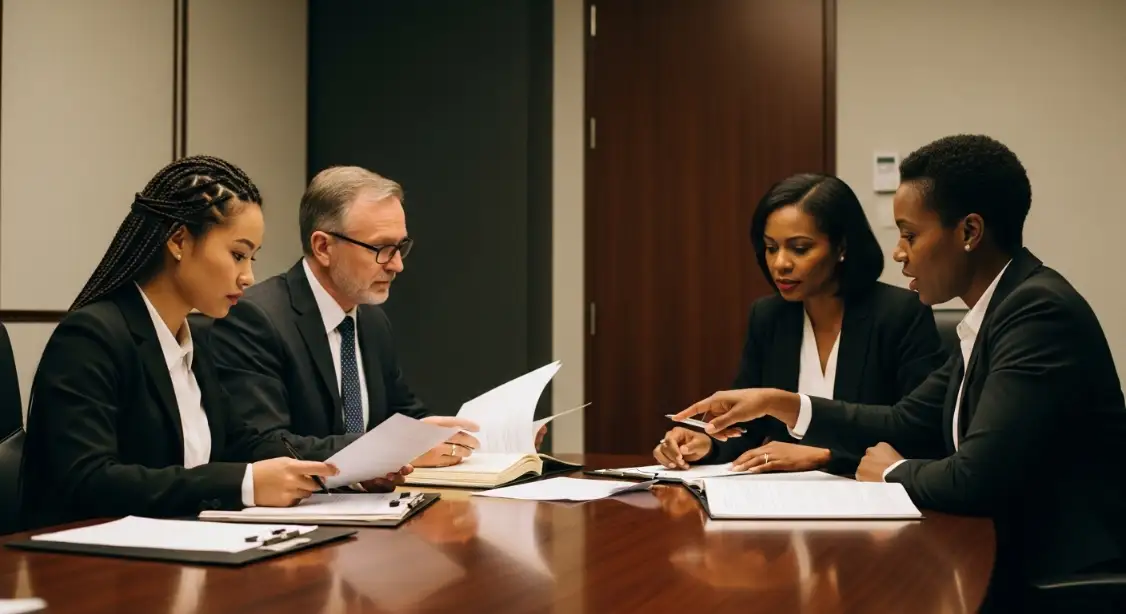
Most Kentucky personal injury cases settle before a lawsuit is ever filed. When an insurer refuses to pay what a case is worth, or when liability is sharply contested, filing suit and entering discovery becomes the path to full compensation. This fourth part of the Kentucky personal injury series follows the claim process covered in Part 3 and explains negotiations and litigation.
Settlement Talks After a Lawsuit Is Filed
Settlement negotiations continue after litigation begins. Most cases filed as lawsuits still resolve before trial, often after discovery reveals the strength of one side’s position. Filing suit tells the insurance company that the injured person is prepared to go all the way, and that credibility regularly produces better outcomes than pre-suit negotiations alone.
Some of the most productive negotiations happen after depositions show how strong, or vulnerable, each side’s position is. A defendant who watches its own witness stumble in a deposition, or learns that the damages evidence is airtight, often becomes significantly more willing to resolve the case without trial.
Written Discovery
Interrogatories
Interrogatories are written questions that the opposing party must answer under oath. In a personal injury case, interrogatories typically cover prior accidents or injuries, medical history related to the injured body parts, employment history and wage loss, witnesses to the incident, and any expert witnesses the party intends to call. The attorney reviews and answers these with the client, and the answers become binding sworn statements.
Requests for Production
Requests for production demand specific documents: medical records, insurance policies, crash reports, vehicle maintenance records, surveillance footage, cell phone records in distracted driving cases, and more. In trucking cases, these requests reach driver logs, black box data, inspection records, and carrier safety files, as the page on trucking evidence collection explains.
Requests for Admission
Requests for admission are written statements one side asks the other to admit or deny. Used strategically, they establish uncontested facts, such as the defendant being on duty at the time of the crash, that do not need to be re-proven at trial.
Deposition Testimony
A deposition is live, under-oath testimony taken before trial. The opposing attorney questions the witness, and the witness’s attorney can object and ask follow-up questions. A court reporter transcribes everything. If a witness says something different at trial than in a deposition, that inconsistency can be used to test credibility.
Plaintiff’s Deposition
The defense attorney deposes the injured person, asking about the crash, the injuries, medical history, prior accidents, work history, and how life has changed. The plaintiff’s attorney prepares the client thoroughly beforehand. The goal is honest, consistent, and complete testimony, because the defense is looking for inconsistencies between the deposition, the medical records, and prior sworn statements.
Testimony Practices
- Answer only the question asked, without volunteering extra information
- Say so when an answer is unknown or not remembered, and never guess
- Take time to think before answering; pauses are appropriate
- Stay consistent with what the medical records say about symptoms and limitations
- Describe daily limitations specifically and honestly, without minimizing or exaggerating
Defendant and Witness Depositions
The plaintiff’s attorney deposes the at-fault driver, eyewitnesses, and often the defendant’s employer in commercial vehicle or premises cases. Depositions lock in inconsistent statements and prior admissions, and witnesses who try to change their story later face the transcript.
Expert Witness Disclosures
Both sides identify their expert witnesses before trial, including who they are, what they will testify about, and what conclusions they have reached. In personal injury cases, that testimony often comes from:
- Medical professionals, including treating physicians, orthopedic surgeons, neurologists, or independent evaluators who explain the nature, cause, and prognosis of the injuries, as described in the overview of expert witnesses in personal injury cases
- Economic professionals, including vocational consultants and economic analysts who calculate lost earning capacity and future medical costs for long-term damage claims
- Accident reconstruction professionals, who document how the crash happened in contested liability cases
Medical Lien Resolution During Litigation
Health insurers, Medicaid, and Medicare that paid for care may hold a lien against the recovery, meaning they get reimbursed from any settlement or verdict. Medicare’s recovery rights are described on the Centers for Medicare and Medicaid Services coordination of benefits and recovery page. The attorney negotiates to reduce these liens before or at the time of settlement, which increases the amount the client takes home.
Pretrial Motions After Discovery
Once discovery closes, both parties usually file pretrial motions asking the court to limit what evidence or arguments can be used at trial. Many cases resolve in the window between the end of discovery and trial. For those that do not, the next step is trial, covered in Part 5 of this series.
Ready to Take Action on Your Injury Claim?
After a serious injury, medical bills pile up while the insurance company looks for ways to pay you less. Most law firms take their cut first and leave you with whatever is left. Sam Aguiar Injury Lawyers does things differently. With our exclusive Bigger Share Guarantee®, you always get more. Every client gets a dedicated three-person team: an attorney, a case manager, and a legal assistant. We never raise our fee rate if we have to go to court, and you pay $0 Out-Of-Pocket Forever.
Frequently Asked Questions
1Do I have to participate in discovery if I filed a lawsuit?+
2How long does discovery take in a Kentucky personal injury case?+
3What happens if the defendant lies in their deposition?+
4Can cases still settle during or after discovery?+
Latest Articles
Kentucky Diminished Value Claims
Kentucky drivers may pursue a repaired vehicle’s leftover market loss from the at-fault driver as part of a.
FMCSA Revoked ELDs: Fleet Compliance and Enforcement Deadlines
FMCSA removed five electronic logging devices from the registered list on August 6, 2026, and set an October.

FMCSA English Proficiency Rule and OOS Enforcement
FMCSA English Proficiency Rule Sam Aguiar Injury Lawyers August 11, 2026 7 minute read On This Page.