

Bobtail Truck Accidents
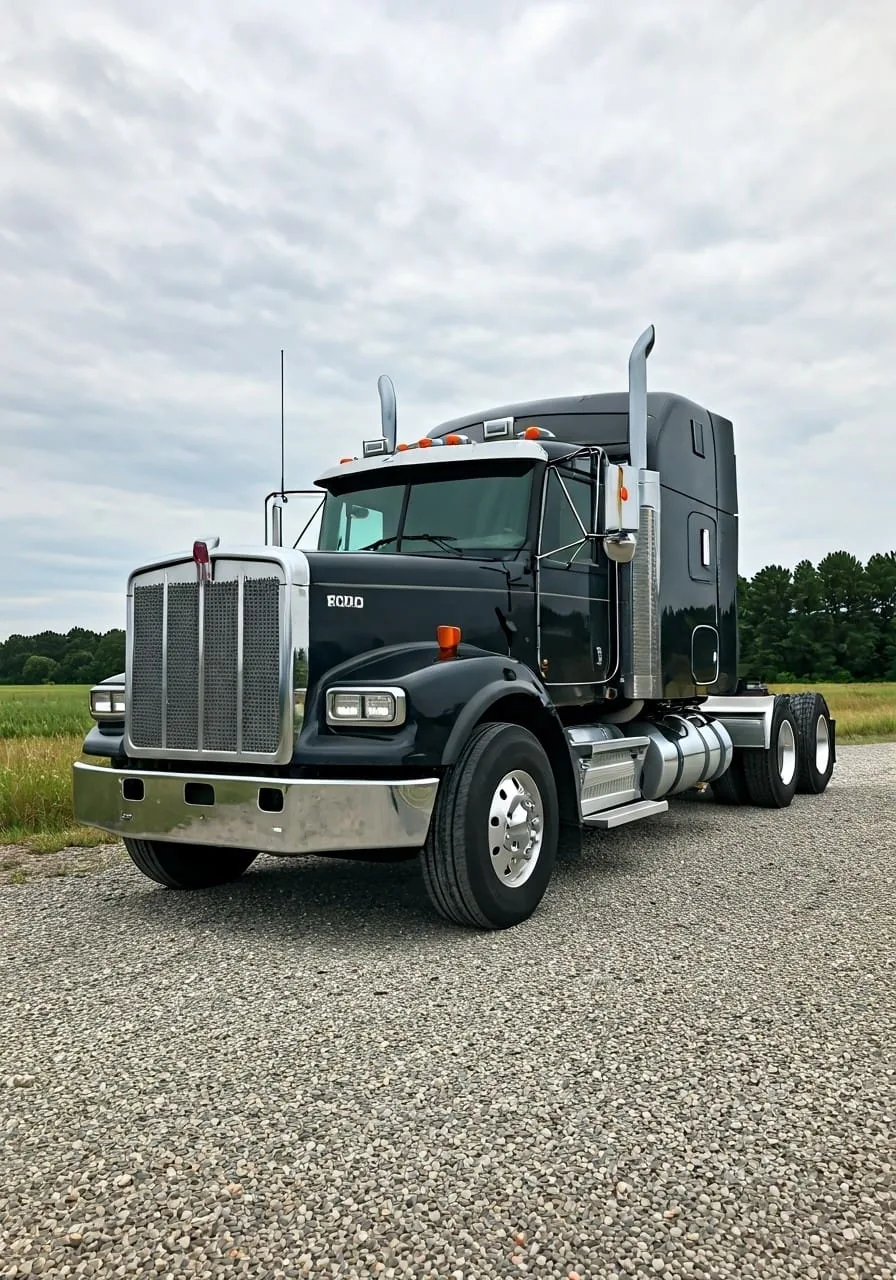
A bobtail truck is a semi-tractor operating without a trailer, most often when a driver is returning to a terminal, repositioning between loads, or taking the tractor in for service. Because so little weight sits over the rear drive axles once a trailer is dropped, a bobtail tractor can handle differently in certain conditions. Insurance coverage for bobtail crashes is also unusually complicated, because carriers can raise policy questions about whether the trip was covered at all. The FMCSA publishes annual large truck and bus crash facts covering commercial vehicle crashes generally.
Definition of a Bobtail Truck
A tractor is bobtailing any time it is on the road without a trailer coupled to the fifth wheel. The term describes the shortened silhouette compared with a full tractor-trailer combination, similar to a bobbed tail. Drivers bobtail for a handful of predictable reasons: they just dropped a loaded trailer at a customer or distribution center, they are heading to pick up an empty or loaded trailer at another yard, or they are driving the tractor alone to a repair facility or the carrier’s terminal. None of these trips involve hauling cargo, but all of them put a multi-ton commercial vehicle on the same roads as passenger cars.
Bobtailing is common enough that most interstate carriers address it in their lease agreements and insurance policies. Removing tens of thousands of pounds of trailer weight changes how the tractor handles, brakes, and responds to wind and road surface, and it changes who is legally responsible when a crash happens.
Handling Without a Trailer
Dropping the trailer moves most of the tractor’s remaining weight over the front steer axle. A fully loaded tractor-trailer spreads its gross weight across both the tractor’s axles and the trailer’s axles, and without the trailer the rear drive axles are left with comparatively little downward force. That shift can affect the truck in four ways:
- Reduced rear traction: with less weight pressing the drive tires into the pavement, those tires may grip the road less predictably on wet, icy, or loose surfaces.
- Braking that depends on adjustment at every axle: under the FMCSA brake systems requirements, commercial vehicles must have service brakes on all wheels, properly inspected and adjusted. A brake system that is out of adjustment can behave inconsistently whether or not a trailer is attached.
- Jackknife risk: a tractor can pivot or slide sideways during hard or sudden braking if the rear wheels lock up before the front wheels.
- Crosswind sensitivity: without trailer mass anchoring the rear of the tractor, a gust of wind on an overpass or an open stretch of highway may push the lighter tractor out of its lane.
Kentucky weather adds to these handling risks. Rain on I-65 through Louisville, black ice on I-64 through the Bluegrass region, and loose gravel on a rural county road all call for extra caution on a bobtail trip, particularly if the tractor’s brakes were not properly inspected and adjusted.
The insurance picture shifts along with the weight. With a trailer attached, the carrier’s primary commercial policy is generally in play and for-hire operation is clearly established. Once the tractor is bobtailing, coverage depends on the trip purpose and lease terms, and the carrier may argue the trip falls outside its policy.
Trip Purpose and Liability
The purpose of a bobtail trip shapes who is responsible for a resulting crash and which insurance policy is supposed to respond.
Three Common Bobtail Scenarios
- Returning to the terminal after delivery: the driver drops the trailer at the destination and drives the tractor back. Whether the carrier’s policy covers this leg depends heavily on the lease agreement between the driver and the carrier.
- Repositioning to pick up a new load: the driver moves the tractor to another yard or customer to pick up a loaded trailer. This may or may not qualify as for-hire commercial operation, depending on dispatch records and the timing of the next assigned load.
- Personal use or maintenance runs: the driver takes the tractor on a personal errand or to a repair facility. Most carrier commercial policies explicitly exclude this kind of trip, leaving only the driver’s personal bobtail policy, if one exists, to respond.
Liable Parties
Liability in a bobtail crash can fall on one or more of these parties, depending on the facts:
- The truck driver, for negligent operation such as speeding, following too closely, fatigue, or impairment
- The carrier, for dispatch practices, maintenance failures, improper brake adjustment, or negligent oversight of its drivers and equipment
- A third-party maintenance contractor, if a mechanical failure traces back to a specific repair or inspection
- A parts manufacturer, if a defective brake, tire, or steering component contributed to the crash
Insurance Gaps in Bobtail Crashes
Bobtail insurance and non-trucking liability coverage are often used interchangeably, but they cover different trips. Bobtail insurance covers the tractor without a trailer in a broad range of contexts. Non-trucking liability (NTL) coverage applies only when the tractor is being used for personal purposes outside the carrier’s operating authority. If the driver was on a trip connected to the carrier’s business, even without a trailer attached, the NTL policy may not apply at all.
Many carrier commercial auto policies contain exclusions for bobtail operation, built on the theory that once the trailer is dropped, the driver is no longer operating for hire. Whether a specific exclusion applies to a specific trip depends on the policy language, the lease agreement, and the facts of that trip, so the full policy stack needs review before anyone accepts a carrier’s position.
Bobtail Case Records
- The full lease agreement between the driver and the carrier
- GPS and ELD records showing the driver’s location and purpose at the time of the crash
- Dispatch records showing whether the trip was work-related or personal
- The carrier’s FMCSA-filed MCS-90 endorsement and financial responsibility filings
- All applicable insurance policies, including primary commercial, bobtail or NTL, and any umbrella layers
- Maintenance records for the specific tractor involved in the crash
Federal Financial Responsibility Rules
Interstate motor carriers must maintain minimum insurance levels set by federal rule. The FMCSA financial responsibility rules for property carriers set those minimums so that an injured person is not left without a source of recovery. In a bobtail case, the open question is usually whether the specific trip the driver was on at the time of the crash falls within what that insurance is written to cover.
The MCS-90 endorsement is part of that analysis. The FMCSA’s MCS-90 guidance describes it as a required attachment to certain motor carrier liability policies, and it allows a judgment against the carrier to be satisfied even if the underlying policy would otherwise exclude the loss. It does not expand what the carrier owes the driver, but it can change what an insurer is required to pay an injured third party. Its applicability to a given loss depends on the policy and the facts.
Crash Scene Documentation
Evidence in a bobtail case can disappear faster than in an ordinary car crash case. ELD and telematics data, dashcam footage, and other electronic systems each have their own retention periods before older records are cycled out or overwritten, and a tractor can be repaired or returned to service before an independent inspection happens. The records that preserve the claim include:
- Photographs of the tractor, especially tire condition, visible brake components, and coupling hardware, taken as close to the crash as possible
- The police crash report, which documents initial statements, road conditions, and any citations issued
- Witness contact information, since independent witnesses often give the clearest account of how the tractor was traveling before impact
- Medical records from the date of the crash forward, linking the collision to the injuries claimed
- Dispatch and lease records, which establish whose insurance is supposed to respond
The page on the aftermath of a truck crash covers the steps that follow a serious collision.
Ready to Take Action on Your Injury Claim?
After a serious injury, medical bills pile up while the insurance company looks for ways to pay you less. Most law firms take their cut first and leave you with whatever is left. Sam Aguiar Injury Lawyers does things differently. With our exclusive Bigger Share Guarantee®, you always get more. Every client gets a dedicated three-person team: an attorney, a case manager, and a legal assistant. We never raise our fee rate if we have to go to court, and you pay $0 Out-Of-Pocket Forever.
Frequently Asked Questions
1What is a bobtail truck?+
2How does a bobtail truck handle differently from a loaded semi?+
3Who pays if a bobtail truck causes a crash?+
4Does a carrier’s commercial policy always cover bobtail operation?+
5What records show whether a bobtail trip was work-related?+
Latest Articles
Kentucky Diminished Value Claims
Kentucky drivers may pursue a repaired vehicle’s leftover market loss from the at-fault driver as part of a.
FMCSA Revoked ELDs: Fleet Compliance and Enforcement Deadlines
FMCSA removed five electronic logging devices from the registered list on August 6, 2026, and set an October.
FMCSA English Proficiency Rule and OOS Enforcement
FMCSA English Proficiency Rule Sam Aguiar Injury Lawyers August 11, 2026 7 minute read On This Page.