

MCS-90 Coverage for Truck Accidents
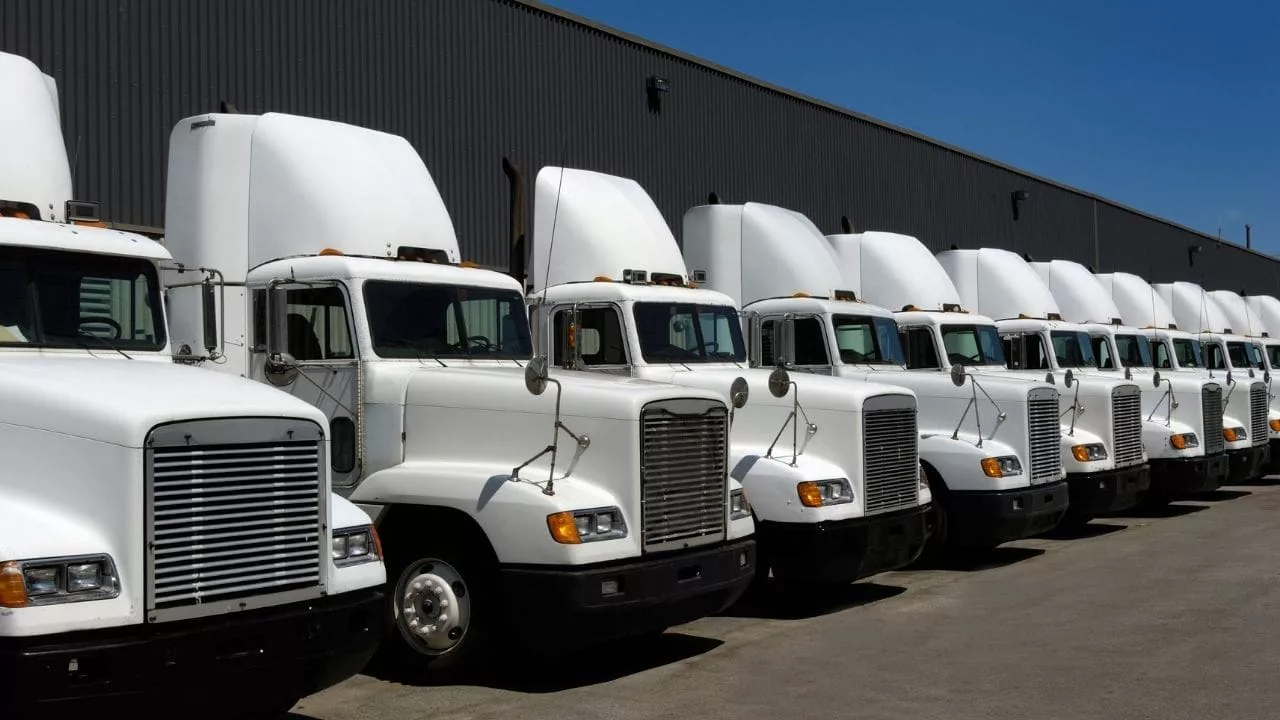
MCS-90 coverage is one of the most misunderstood parts of a commercial trucking case. The FMCSA explains that the MCS-90 endorsement is required by federal regulation under 49 CFR 387.15 and is attached to the motor carrier’s liability policy for public liability.
Federal Endorsement Requirement
The MCS-90 endorsement is a federal surety-style backstop, separate from ordinary policy coverage. The injured person still has to prove the trucking case, obtain the coverage records, and answer any policy defenses the insurer raises. The endorsement carries the most weight when a final judgment exists and ordinary coverage analysis leaves a public-liability judgment unpaid within the required financial responsibility limits.
Every carrier operating under FMCSA authority must file proof of financial responsibility as a condition of that authority. Those filings, and the policy behind them, are part of the trucking company insurance requirements reviewed in any serious truck accident injury case.
When the MCS-90 Applies
The MCS-90 applies to final judgments for public liability from negligent operation, maintenance, or use of covered motor vehicles. It is a public-protection obligation that takes effect after a judgment, and it adds no money on top of a case that ordinary coverage already pays.
Applying it takes the full coverage file: the policy, the endorsement, the motor carrier’s operating authority, the vehicle involved, the driver relationship, the cargo, and the available primary and excess coverage. The endorsement is powerful only when those facts fit the federal financial responsibility rules.
Payment Order for Truck Crash Coverage
The MCS-90 sits last in the order of coverage that pays a truck crash case.
MCS-90 Coverage Pays After Every Other Policy
Typical order of coverage for an interstate motor carrier crash case
The motor carrier’s primary auto liability policy pays first. Interstate carriers hauling general freight must carry at least $750,000 under 49 CFR 387.9, and carriers of certain hazardous materials must carry $5 million. Most truck crash claims are paid here.
Excess and umbrella coverage comes next. Larger carriers stack additional limits above the primary policy, and serious injury cases are often paid from these layers.
Other applicable coverage, such as trailer interchange or a broker or shipper policy where that company controlled the load or the hiring, can respond before the federal endorsement. A freight broker’s liability after a truck crash depends on that control.
The MCS-90 endorsement is the safety net of last resort. Under 49 CFR 387.15, it makes the insurer pay an injured member of the public up to the federal minimum when the underlying policy would otherwise deny the case. The insurer pays the injured person first, then may seek reimbursement from the trucking company.
Insurer Denying Coverage for a Truck Crash?
An MCS-90 endorsement can require a truck insurer to pay an injured member of the public even when the policy itself would not cover the crash. Sam Aguiar Injury Lawyers has a dedicated trucking team that examines the carrier’s filings, endorsements, and each layer of coverage in the payment order. The fee never goes up if your case goes to trial. Start a free case review to learn which policies apply.
Frequently Asked Questions
1What is the MCS-90 endorsement?+
2When does the MCS-90 come into play?+
3Does the MCS-90 add money on top of the regular insurance?+
4What are the federal minimum insurance requirements for trucking companies?+
5How can a carrier’s MCS-90 endorsement be confirmed?+
Latest Articles
Kentucky Diminished Value Claims
Kentucky drivers may pursue a repaired vehicle’s leftover market loss from the at-fault driver as part of a.

FMCSA Revoked ELDs: Fleet Compliance and Enforcement Deadlines
FMCSA removed five electronic logging devices from the registered list on August 6, 2026, and set an October.

FMCSA English Proficiency Rule and OOS Enforcement
FMCSA English Proficiency Rule Sam Aguiar Injury Lawyers August 11, 2026 7 minute read On This Page.